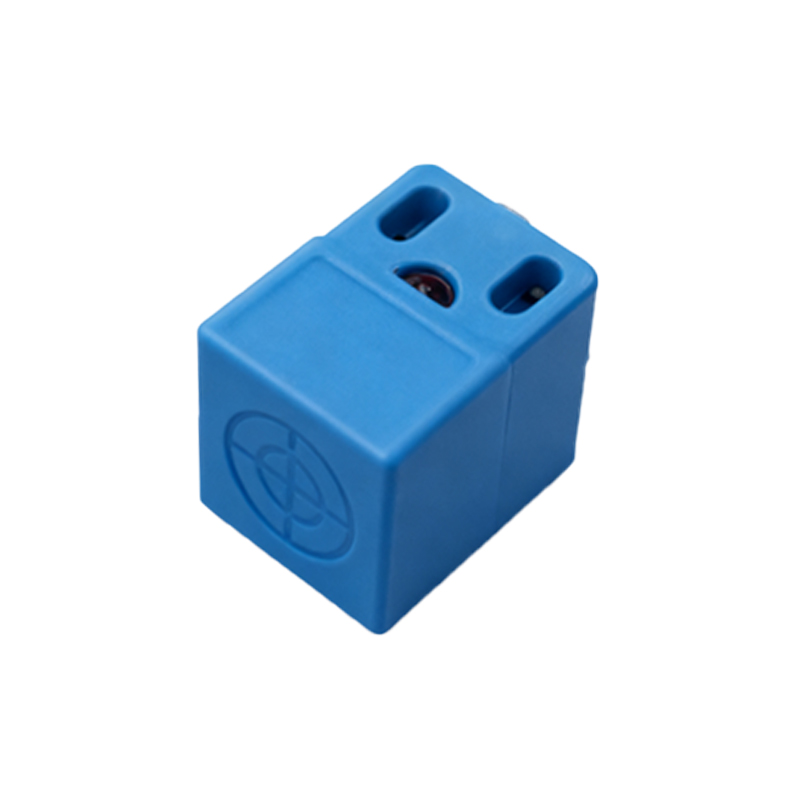
Proximity sensors are critical components in modern metro train systems, ensuring safe, efficient, and reliable operations. These sensors detect the presence or absence of objects without physical contact, using various technologies such as inductive, capacitive, ultrasonic, and photoelectric methods. In metro applications, inductive proximity sensors are particularly prevalent due to their robustness and ability to function in harsh environments like tunnels and underground stations.
One primary application of proximity sensors in metro trains is in door control systems. Sensors installed near train doors detect obstacles during opening and closing cycles, preventing accidents and ensuring passenger safety. For instance, if a passenger or object is caught in the door, the sensor triggers an immediate halt or reversal of the door mechanism. This not only enhances safety but also reduces wear and tear on mechanical parts, lowering maintenance costs.
Another vital use is in wheel and axle monitoring. Proximity sensors are employed to monitor wheel speed and detect anomalies such as flat spots or excessive vibrations. By providing real-time data to the train's control system, these sensors help prevent derailments and extend the lifespan of wheel assemblies. Additionally, they play a role in traction control systems, optimizing acceleration and braking for smoother rides and energy efficiency.
In signaling and track circuits, proximity sensors contribute to collision avoidance. They detect the position of trains on tracks, enabling automatic train protection (ATP) systems to maintain safe distances between vehicles. This is especially crucial in high-frequency metro networks where trains operate at short intervals. By integrating with centralized control systems, these sensors facilitate precise scheduling and reduce the risk of human error.
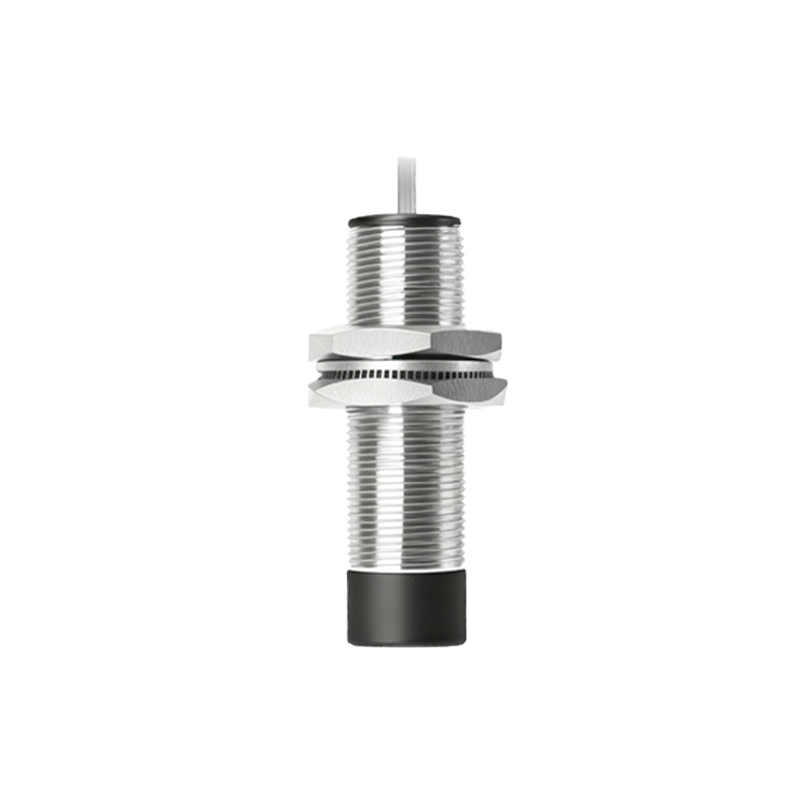
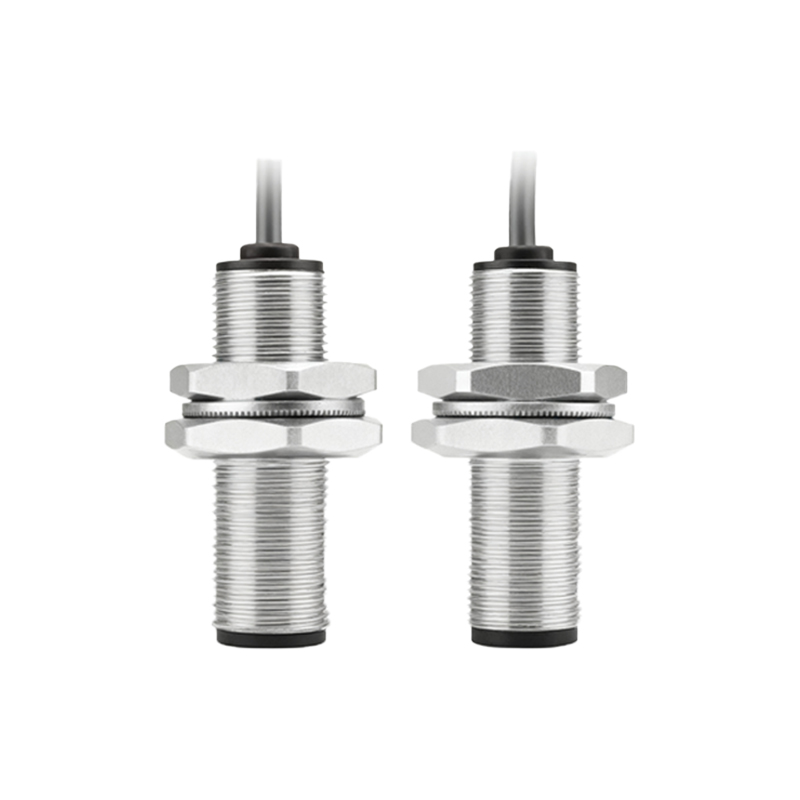
The design of proximity sensors for metro trains must account for environmental challenges. Factors like dust, moisture, temperature fluctuations, and electromagnetic interference are common in rail environments. Manufacturers address this by housing sensors in rugged, IP-rated enclosures and using materials resistant to corrosion. For example, stainless steel or nickel-plated brass casings are standard for inductive sensors in metro applications.
Maintenance and calibration are also key considerations. Regular testing ensures sensors remain accurate over time, as drift or contamination can lead to false readings. Many modern sensors feature self-diagnostic capabilities, alerting operators to potential issues before failures occur. This predictive maintenance approach minimizes downtime and enhances overall system reliability.
Looking ahead, advancements in sensor technology are driving innovation in metro systems. Smart sensors with IoT connectivity enable real-time data analytics, allowing for predictive maintenance and optimized performance. For instance, sensors can now communicate with cloud-based platforms to monitor health metrics and schedule repairs automatically. Additionally, the integration of AI algorithms helps in analyzing sensor data for patterns that indicate emerging faults.
In conclusion, proximity sensors are indispensable in metro train operations, from door safety to track monitoring. Their evolution continues to support the development of smarter, safer, and more efficient urban transit systems. As cities expand and demand for public transport grows, the role of these sensors will only become more prominent, underscoring the need for ongoing research and investment in rail technology.