Proximity sensors are indispensable components in modern industrial automation, serving as the critical "eyes" of machinery by detecting the presence or absence of objects without physical contact. When these sensors fail, the consequences can range from minor production hiccups to catastrophic system failures, significant safety hazards, and substantial financial losses. Understanding the potential outcomes of a faulty proximity sensor is crucial for maintenance personnel and system designers to prioritize proactive monitoring and swift corrective actions.
The most immediate and common symptom of a malfunctioning proximity sensor is erratic machine behavior or an unplanned production stoppage. In a high-speed packaging line, for instance, a failed inductive sensor meant to detect metal cans may cease to send a signal. This can cause the downstream robotic arm to miss its pick-up point, leading to misaligned products, jams, or even collisions. The production line halts, triggering downtime. Every minute of unplanned downtime in an automated facility translates directly into lost output and revenue. Furthermore, the stoppage often creates a cascade effect, disrupting upstream and downstream processes and requiring manual intervention to clear jams and reset systems, which further extends the non-productive period.
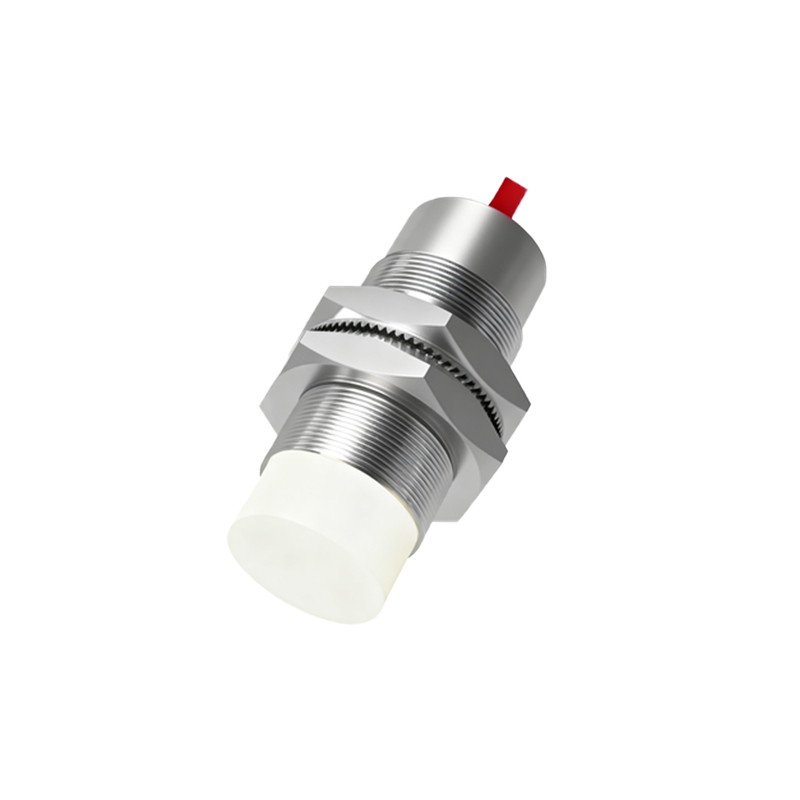
Beyond operational disruption, a faulty sensor poses significant risks to equipment integrity. Proximity sensors often provide critical positional feedback for moving parts. A capacitive sensor monitoring the fill level in a tank, if stuck in a "full" state, could lead to overfilling and spillage, damaging surrounding equipment and creating an environmental or slip hazard. In more severe cases, within a CNC machine or a robotic welding cell, a failed sensor providing end-of-travel or part-in-position confirmation can result in mechanical over-travel. This forces actuators or tools beyond their intended limits, causing bent components, broken tools, stripped gears, or damage to expensive servo motors. The repair costs for such mechanical damage can far exceed the price of a simple sensor replacement.
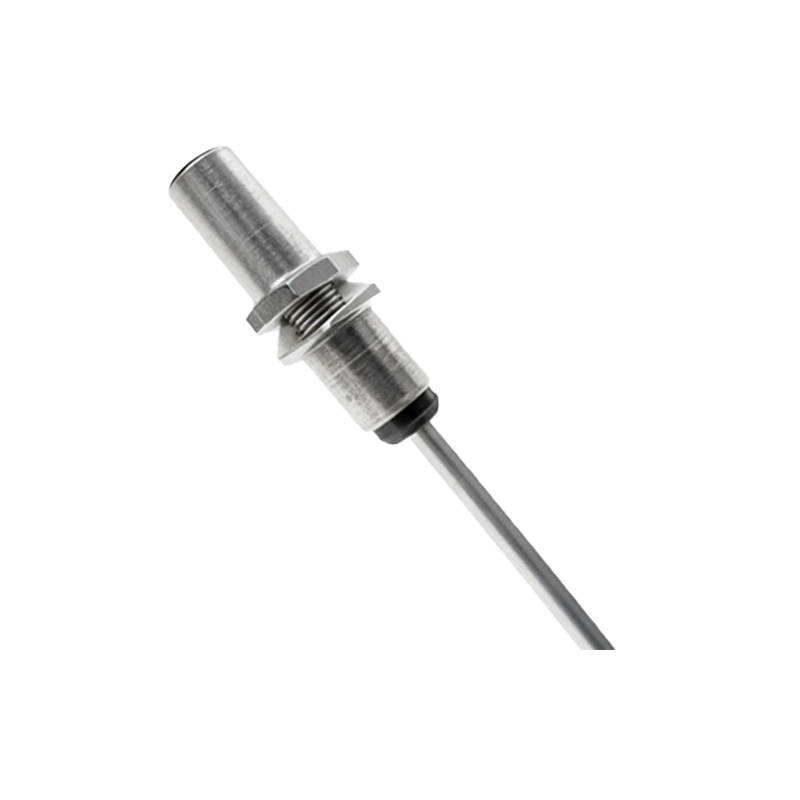
Safety implications are arguably the most critical concern. Many proximity sensors are integral to safety interlock systems. A magnetic proximity sensor on a safety gate, if faulty, might falsely indicate that the gate is closed and locked when it is actually open. This could allow machinery to start while personnel are inside the hazard zone, leading to potentially severe injuries. Similarly, in automated guided vehicle (AGV) systems, ultrasonic or photoelectric sensors used for obstacle detection must function flawlessly. A failure here could result in the AGV colliding with personnel, infrastructure, or other vehicles. Therefore, sensors used in safety-related functions often require redundant designs, regular testing, and adherence to stringent standards like IEC 61508 for functional safety.
Diagnosing a faulty proximity sensor involves a systematic approach. The first step is often visual inspection for obvious physical damage, contamination (like metal chips on an inductive sensor face, or dust/oil on an optical lens), or loose wiring connections. Using a multimeter to check the supply voltage at the sensor's terminals is essential; no sensor can operate without proper power. Next, monitoring the output signal with a multimeter or an oscilloscope while actuating the sensor (e.g., bringing a target object close) will reveal if it is switching correctly. Many modern sensors have built-in diagnostic LEDs that provide a quick status indication. It is also vital to rule out external factors: is the target object the correct material, size, and within the specified sensing range? Has the environment changed, introducing excessive heat, vibration, or electromagnetic interference that could affect performance?
Preventive maintenance is key to mitigating these risks. Establishing a regular schedule for cleaning sensor faces, checking mounting stability, and verifying electrical connections can prevent many failures. Keeping a log of sensor lifespans and operating conditions helps in predicting end-of-life and planning preemptive replacements. When replacing a faulty sensor, it is important to select not just an identical model but to consider if an upgraded version with higher environmental protection (IP rating), wider temperature tolerance, or enhanced noise immunity is warranted for improved long-term reliability.
In conclusion, the failure of a proximity sensor is never an isolated event. It triggers a chain reaction affecting productivity, asset health, and most importantly, workplace safety. A deep understanding of sensor technology, coupled with robust diagnostic procedures and a proactive maintenance culture, is essential for minimizing downtime, protecting capital investment, and ensuring a safe operational environment. Treating these small but vital components with due diligence is a hallmark of efficient and responsible industrial engineering.