In industrial automation and machinery, proximity sensors play a critical role in non-contact detection, ensuring precise control and safety. A common and often disruptive failure mode is the detachment or loosening of the sensor head from its housing or mounting. This issue can lead to unplanned downtime, inaccurate readings, and potential safety hazards. Understanding the root causes is essential for maintenance personnel and design engineers to implement effective preventive measures.
The primary cause of sensor head detachment is mechanical stress and vibration. In high-vibration environments, such as those near heavy motors, presses, or conveyor systems, constant cyclical forces can work loose the threaded connections or adhesive bonds securing the sensor head. Even sensors rated for vibration resistance have limits. Over time, these forces can cause metal fatigue in mounting threads or crack the sensor's epoxy potting material, eventually leading to complete separation. Improper mounting, where the sensor is used as a mechanical stop or is subjected to incidental physical impact from passing objects, exacerbates this problem.
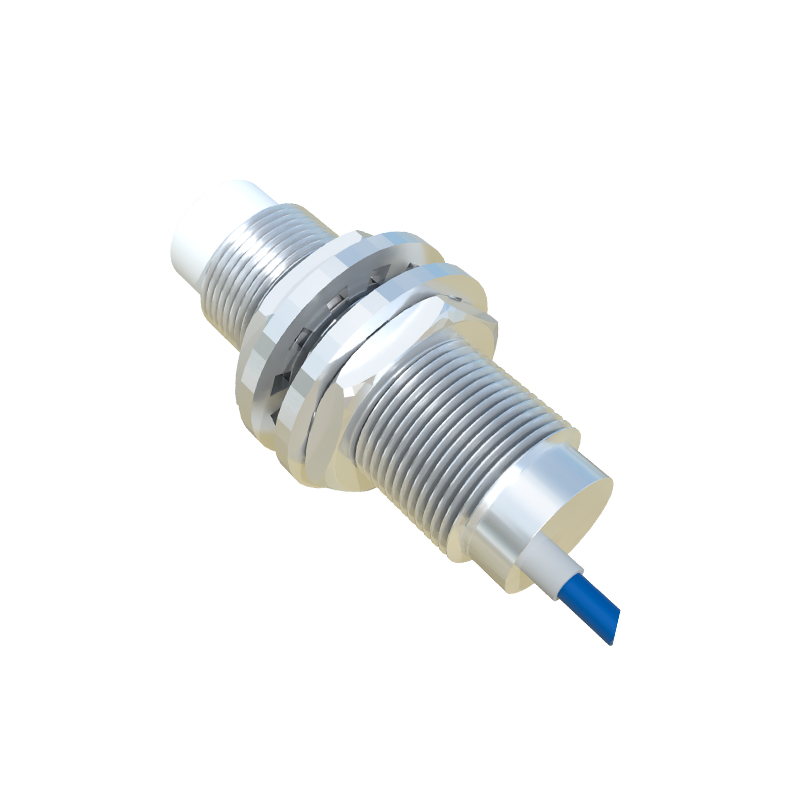
Another significant factor is thermal cycling. Industrial environments often experience wide temperature fluctuations. The sensor head, housing, and mounting hardware are typically made from different materials with varying coefficients of thermal expansion. Repeated heating and cooling cycles cause these materials to expand and contract at different rates, creating stress at the joints. This can break down thread-locking compounds, weaken adhesives, or distort plastic sensor housings, ultimately compromising the integrity of the assembly. Sensors located near ovens, welding stations, or in outdoor applications are particularly susceptible.
Chemical and environmental exposure is a stealthy culprit. Harsh industrial atmospheres containing oils, coolants, solvents, or corrosive agents can degrade the materials used in sensor construction. Many sensor heads use epoxy or specific plastics for sealing and insulation. Prolonged exposure to certain chemicals can cause these polymers to swell, become brittle, or lose their adhesive properties. This degradation weakens the bond between the head and the body or the sensor's internal components, leading to separation. Similarly, moisture ingress, especially in washdown or humid environments, can cause corrosion of internal metal components or connectors, which may swell and push components apart.
Installation and assembly errors are frequently overlooked human factors. During installation, over-torquing the sensor during mounting can crack the housing or strip the threads, creating a weak point that fails under operational stress. Conversely, under-torquing leaves the connection loose from the start, allowing vibration to take effect immediately. The use of incorrect tools or the failure to apply recommended thread-locking adhesives during initial assembly or replacement are common mistakes. Furthermore, using a sensor outside its specified mechanical or environmental ratings directly invites failure.
Finally, material defects and design flaws, though less common, can be a root cause. A manufacturing defect in the threading, a substandard batch of potting epoxy, or a poor choice of plastic for the housing can lead to premature failure. In some cases, the original design may not adequately account for the specific torsional or shear forces present in the application, leading to a point of failure at the neck of the sensor head.
Prevention strategies are multifaceted. Firstly, correct sensor selection is paramount. Choose a sensor with an IP rating, housing material, and vibration resistance specification that matches or exceeds the application's demands. For high-vibration areas, sensors with robust, all-metal housings and integrated locking nuts are preferable. Secondly, proper installation is non-negotiable. Follow the manufacturer's specified mounting procedures, torque values, and recommendations for thread-lockers or sealants. Use appropriate mounting brackets to shield the sensor from direct impact. Thirdly, implement a routine inspection and maintenance schedule. Visually check sensors for cracks, loose fittings, or signs of chemical attack. Periodically verify mounting tightness according to a maintenance plan. For critical applications, consider preventive replacement based on observed lifecycle data. By addressing these mechanical, thermal, chemical, and human factors, engineers can significantly enhance the reliability and service life of proximity sensors, ensuring continuous and safe operation.