In the rapidly evolving landscape of electronic components, the Nova3 proximity light sensor stands out as a pivotal innovation, driving advancements in user interface design and energy efficiency. As an electrical engineer with extensive experience in sensor technology, I aim to delve into the technical intricacies, operational principles, and practical applications of this sophisticated device, offering a comprehensive perspective for industry professionals and enthusiasts alike.
The Nova3 proximity light sensor is a highly integrated optoelectronic module designed to detect the presence or absence of nearby objects without physical contact. It operates on the fundamental principle of infrared (IR) light emission and reception. The sensor emits a modulated IR signal, which, upon encountering an object within its detection range, reflects back to a photodetector. By analyzing the intensity and timing of the reflected signal, the Nova3 accurately determines proximity, enabling seamless interaction in various electronic systems. Key specifications typically include a detection range of up to 10 centimeters, low power consumption of under 2mA in active mode, and a response time of less than 10 milliseconds, making it suitable for real-time applications.
From an engineering standpoint, the Nova3 incorporates several advanced features that enhance its reliability and performance. It utilizes a dual-element design, combining an IR LED and a phototransistor in a compact package, often with built-in ambient light rejection to minimize false triggers from environmental lighting. This is achieved through optical filtering and digital signal processing (DSP) algorithms that distinguish between ambient noise and proximity events. Additionally, the sensor supports I2C or UART communication protocols, allowing for easy integration into microcontroller-based systems. Engineers must consider factors such as mounting orientation, material transparency, and environmental conditions during implementation to optimize accuracy. For instance, placing the sensor behind dark-tinted glass may require calibration to account for signal attenuation, while operating in high-temperature environments necessitates thermal stability assessments.
The applications of the Nova3 proximity light sensor are vast and transformative across multiple industries. In consumer electronics, it is commonly employed in smartphones and tablets to disable touchscreen functionality during calls, preventing accidental inputs when the device is held near the ear. This not only improves user experience but also conserves battery life by turning off the display when not needed. In automotive systems, the sensor contributes to safety and convenience, enabling gesture-based controls for infotainment systems or detecting occupants for airbag deployment. Industrial automation benefits from its use in object detection on assembly lines, where non-contact sensing reduces wear and tear. Moreover, the Nova3 finds relevance in smart home devices, such as automatic faucets and lighting systems, promoting hygiene and energy savings by activating only when presence is detected.
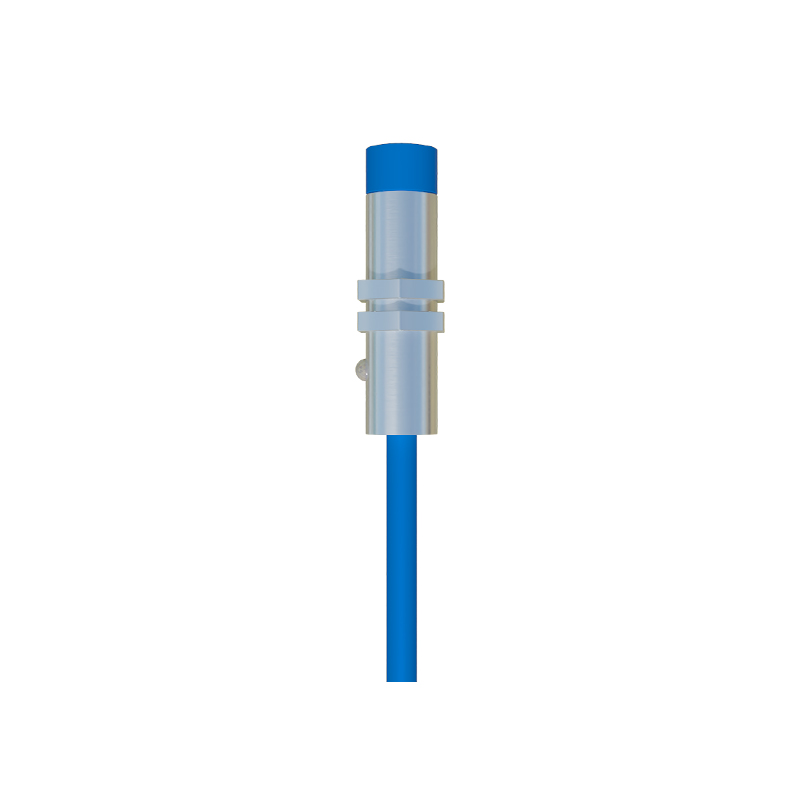
Despite its advantages, engineers must address certain challenges when deploying the Nova3 sensor. Interference from other IR sources, like sunlight or other electronic devices, can compromise accuracy, necessitating shielding or algorithmic compensation. Power management is another critical aspect, especially in battery-operated applications; leveraging sleep modes and intermittent polling can extend operational life. Furthermore, calibration during manufacturing ensures consistent performance, but field recalibration may be required over time due to component aging or environmental changes. The Nova3's robustness against electromagnetic interference (EMI) and its compliance with industry standards, such as RoHS and REACH, also underscore its suitability for global markets.
Looking ahead, the evolution of proximity light sensors like the Nova3 is poised to integrate with emerging technologies such as the Internet of Things (IoT) and artificial intelligence (AI). Future iterations may feature enhanced sensitivity, multi-object detection, and lower power profiles, enabling more intuitive human-machine interfaces. As an engineer, staying abreast of these developments is crucial for innovating in product design and system optimization. In summary, the Nova3 proximity light sensor exemplifies the synergy between optical engineering and digital processing, offering a reliable solution for proximity sensing that continues to shape modern electronics. By understanding its technical foundations and application nuances, professionals can harness its full potential to drive efficiency and innovation in their projects.