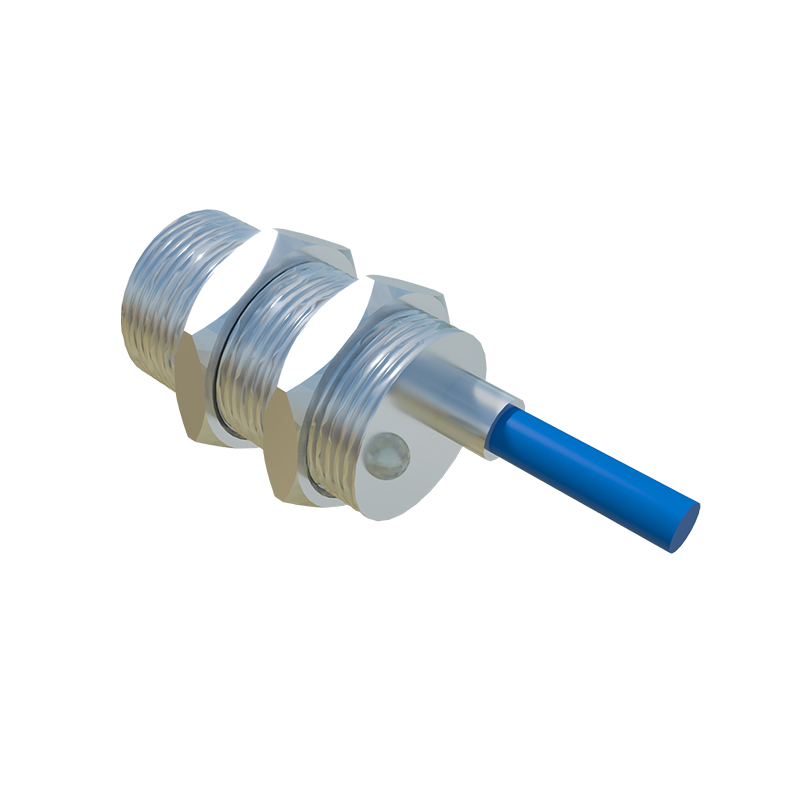
In the realm of industrial automation and machinery safety, proximity sensors play a critical role in detecting the presence or absence of objects without physical contact. Among these, the A57 series inductive proximity sensors are widely recognized for their robustness, reliability, and high precision in harsh environments. However, to ensure consistent and accurate operation, proper calibration is not just recommended—it is essential. This article delves into the systematic calibration process for A57 proximity sensors, highlighting best practices to maintain peak performance and longevity.
The A57 proximity sensor operates on the principle of electromagnetic induction. It generates an oscillating electromagnetic field from its sensing face. When a metallic target enters this field, eddy currents are induced, causing a change in the oscillation amplitude. This change is detected by the sensor's circuitry, triggering a switching output. The sensing distance, or "switching point," is a key parameter that must be precisely calibrated to match application requirements. Factors such as target material, size, shape, temperature fluctuations, and electrical noise can influence this distance, making calibration a vital step in installation and maintenance.
Before initiating calibration, thorough preparation is necessary. First, ensure the sensor is correctly installed according to manufacturer specifications, with proper mounting, alignment, and secure electrical connections. The operating voltage should be stable and within the sensor's rated range (typically 10-30V DC). The target object used for calibration should be identical to the actual application target in material (e.g., mild steel) and size (standard is often a 1mm thick square of defined dimensions). The environment should be free from excessive dust, moisture, or other sensors that could cause electromagnetic interference. Always refer to the A57 datasheet for specific technical thresholds, such as the nominal sensing distance (Sn) and assured operating distance.
The calibration procedure for an A57 sensor involves a step-by-step approach to fine-tune its response. Begin by powering the sensor and connecting its output to a monitoring device, such as a multimeter, PLC input, or indicator LED. Position the standard target at the rated sensing distance (Sn) from the sensor face. Gradually move the target toward the sensor until the output switches state (e.g., from OFF to ON). Mark this point as the actual switch-on point. Then, slowly retract the target until the output reverts to its original state, marking the switch-off point. The difference between these points is the hysteresis, which is inherent to prevent chatter. The goal is to ensure the switch-on point is within the sensor's specified tolerance. If deviation exists, adjustment may be needed. Some A57 models feature a potentiometer for sensitivity adjustment; rotate it carefully while testing with the target until the desired switching point is achieved. For fixed-sensitivity models, recalibration might involve repositioning the sensor or target.
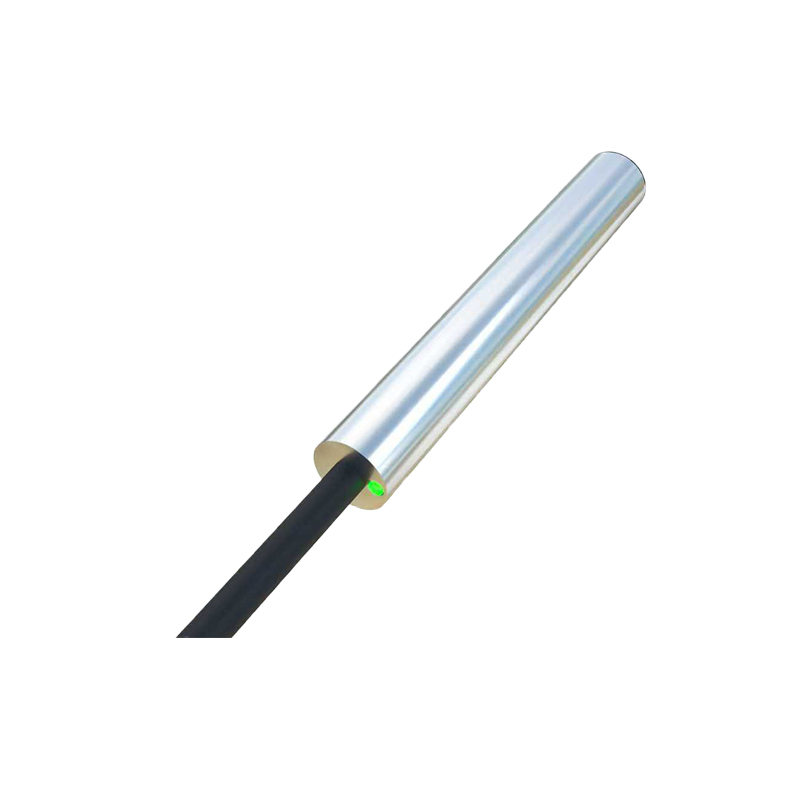
After initial calibration, rigorous verification and documentation are crucial. Test the sensor multiple times with the target to confirm repeatability. Introduce variables like different approach speeds or minor misalignments to simulate real-world conditions. Measure the response time to ensure it meets the application's cycle demands. Record all parameters: calibrated sensing distance, hysteresis, supply voltage, ambient temperature, and target specifications. This data aids in predictive maintenance and troubleshooting. Common issues post-calibration include unstable switching due to electrical noise—solved by using shielded cables and proper grounding—or reduced sensing range from sensor wear, necessitating inspection or replacement.
Regular maintenance calibration is advised, especially in high-cycle or extreme environments. Schedule checks every six months or per operational hours. Look for physical damage, contamination on the sensing face, and output signal integrity. Trends in calibration data can predict sensor lifespan. Adhering to these practices ensures the A57 sensor delivers reliable performance, enhancing system safety and efficiency. In summary, meticulous calibration transforms a quality component like the A57 into a precision tool, safeguarding automated processes and minimizing downtime.