In the demanding environment of industrial material handling, overhead cranes are pivotal for efficiency and safety. A critical component enhancing their operational intelligence is the infrared (IR) proximity sensor. These sensors provide non-contact detection, crucial for preventing collisions, automating load positioning, and ensuring seamless workflow in warehouses, manufacturing plants, and steel yards. Unlike mechanical limit switches, IR sensors offer wear-free operation and high precision, making them indispensable in modern crane systems.
The fundamental operating principle of an infrared proximity sensor involves emitting an infrared light beam and detecting its reflection from a target object. The sensor typically contains an IR LED emitter and a phototransistor or photodiode receiver. When an object enters the detection zone, it reflects the emitted IR radiation back to the receiver. The sensor's internal circuitry then processes this signal to trigger an output, such as switching a relay or sending a signal to the crane's programmable logic controller (PLC). Key performance parameters include sensing range, response time, beam pattern, and environmental immunity. Advanced models feature modulated IR signals to minimize interference from ambient light, such as sunlight or factory lighting, ensuring reliable operation.
For overhead cranes, the primary application of IR proximity sensors is collision avoidance. Mounted at the ends of the bridge or on the hoist trolley, they create an invisible safety perimeter. When the sensor detects an obstacle—be it another crane, a structural column, or personnel—it sends an immediate stop or slow-down command to the drive motors. This is vital for protecting both infrastructure and workforce. Another significant application is height limitation and load positioning. Sensors can precisely detect the hook block's upper and lower limits, preventing overwind and dangerous two-blocking conditions. In automated storage and retrieval systems (AS/RS), these sensors enable precise load pickup and placement by detecting the presence of pallets or containers.
Selecting the right infrared proximity sensor for a crane application requires careful consideration of several technical factors. First, the sensing range must be appropriate for the specific detection task; long-range sensors (up to 10 meters or more) are used for area monitoring, while short-range variants handle precise positioning. The sensor's housing is equally important. Robust, metallic housings with high Ingress Protection (IP) ratings (e.g., IP67) are mandatory to withstand dust, moisture, oil, and constant vibration. The output type must be compatible with the crane's control system. Common options include PNP/NPN transistor outputs for direct PLC input, analog outputs for distance-proportional signals, or relay outputs for directly controlling auxiliary circuits. Additionally, the beam pattern—whether a focused spot or a wider diffuse beam—should match the target size and detection angle requirements.
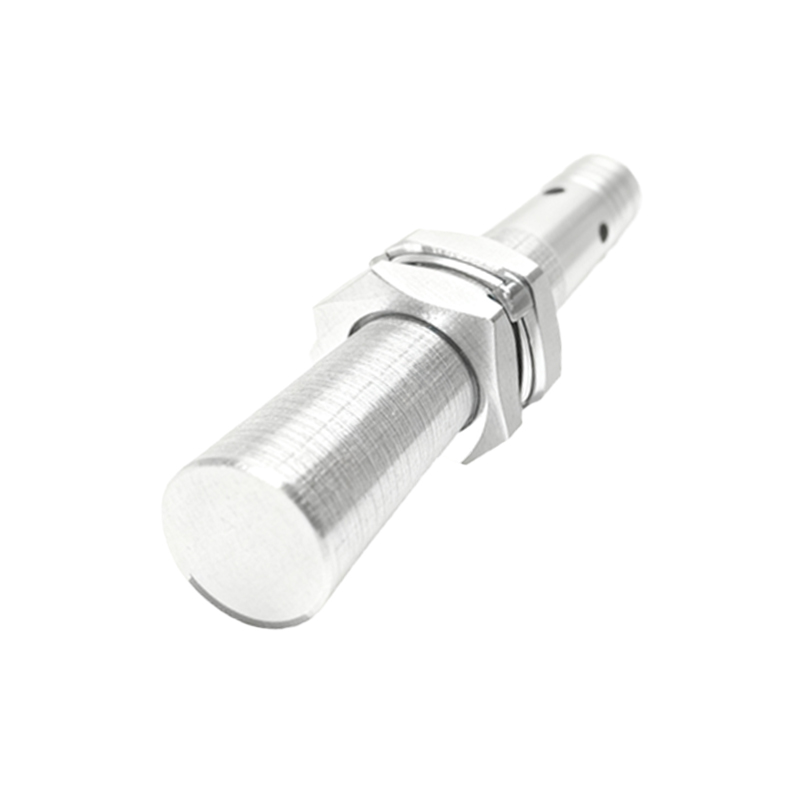
Installation and alignment are critical for optimal performance. Sensors must be securely mounted to avoid misalignment caused by crane movement and vibration. Regular maintenance, primarily lens cleaning to remove dust and grime, is necessary to prevent false triggers or detection failures. While IR sensors are highly reliable, their performance can be degraded by highly reflective or absorbent surfaces, and extremely dusty or foggy environments. In such cases, ultrasonic sensors or laser distance sensors might be considered as alternatives, though IR remains the preferred choice for its speed, cost-effectiveness, and simplicity for most standard crane applications.
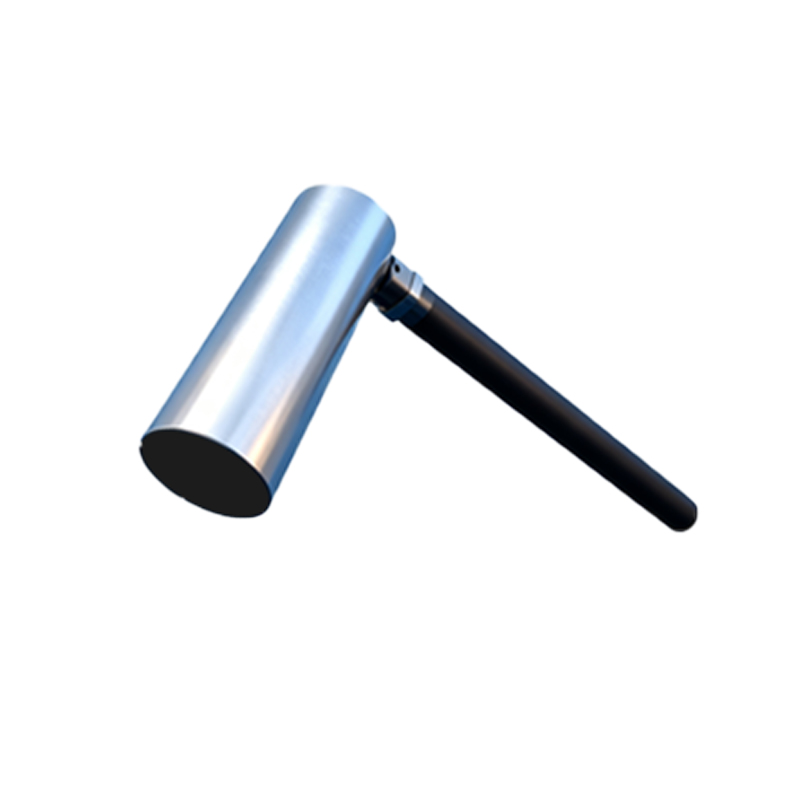
The integration of IR proximity sensors represents a significant step towards smarter, safer crane operations. By providing reliable, non-contact feedback, they form the sensory backbone for automation and safety interlocks. As Industry 4.0 advances, these sensors are increasingly equipped with IO-Link communication, enabling predictive maintenance through continuous monitoring of their operational status and signal strength. For any engineer or facility manager overseeing overhead crane systems, a deep understanding of infrared proximity sensor technology is essential for optimizing performance, ensuring regulatory compliance, and ultimately, safeguarding valuable assets and human lives on the shop floor.