In the realm of industrial automation, proximity switches are indispensable components for non-contact detection of metallic and, in some cases, non-metallic objects. A critical parameter defining their performance and application flexibility is the sensing distance. While standard proximity sensors come with a fixed nominal sensing distance, the advent and refinement of adjustable sensing distance models have significantly enhanced their utility across diverse and demanding environments. This article delves into the technical principles, adjustment methodologies, and practical considerations for proximity switches with adjustable sensing ranges.
The fundamental operating principle of inductive proximity switches, the most common type for metal detection, involves an oscillator circuit generating a high-frequency electromagnetic field from the sensor's active face. When a target object enters this field, eddy currents are induced in the object, causing a change in the oscillator's amplitude. This change is detected, triggering the sensor's output switch. The nominal sensing distance (Sn) is standardized for a specific target material, typically mild steel of a defined size. However, real-world applications rarely conform to these ideal conditions. Factors such as target material composition (e.g., aluminum, copper, stainless steel), target size and shape, ambient temperature, and the presence of other metals can all influence the effective sensing distance. This is where adjustability becomes paramount.
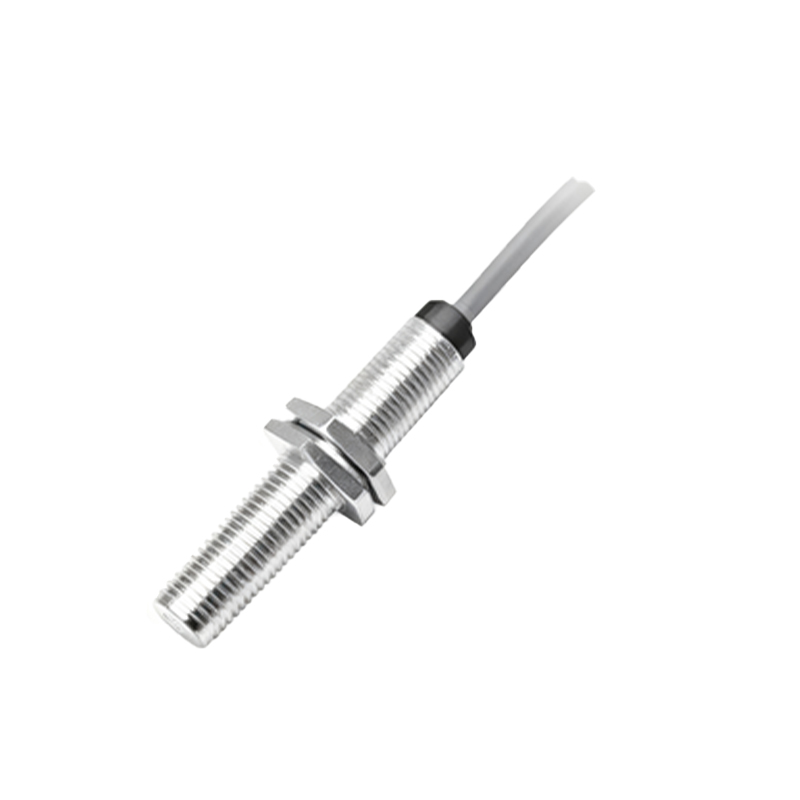
Adjustable sensing distance is typically achieved through integrated potentiometers or via digital interfaces in more advanced models. The potentiometer, often a small screw or dial located on the body of the sensor, allows for fine-tuning of the sensor's sensitivity by altering the threshold level of the detection circuit. By reducing the sensitivity, the effective sensing distance is shortened. Conversely, increasing the sensitivity can extend the distance, though this approach must be used with extreme caution. Over-extending the sensitivity is a primary cause of unstable operation, as the sensor may become susceptible to electrical noise, background metals, or even temperature drift, leading to false triggering.
The primary advantage of an adjustable sensing distance is the ability to compensate for application-specific variables. For instance, when detecting smaller targets than the standard test piece, the sensing distance will naturally decrease. A sensitivity adjustment can help recover some of this lost range to ensure reliable detection. More importantly, adjustability is crucial for solving installation challenges. In cramped mechanical spaces where the ideal mounting position is unavailable, a sensor can be mounted farther away, and its sensitivity increased to achieve the required detection. Conversely, to avoid detecting a nearby non-target object (like a machine frame or a passing conveyor part), the sensitivity can be deliberately reduced to create a narrower, more precise detection zone. This function is often called "teaching" or "shielding."
Another significant application is in multi-sensor setups. When several proximity switches are installed in close proximity, their electromagnetic fields can interfere with each other, a phenomenon known as mutual interference. This can cause a reduction in the actual sensing distance or erratic switching. By carefully adjusting and reducing the sensitivity of adjacent sensors, engineers can minimize this interference without physically repositioning the sensors, which might be mechanically impossible.
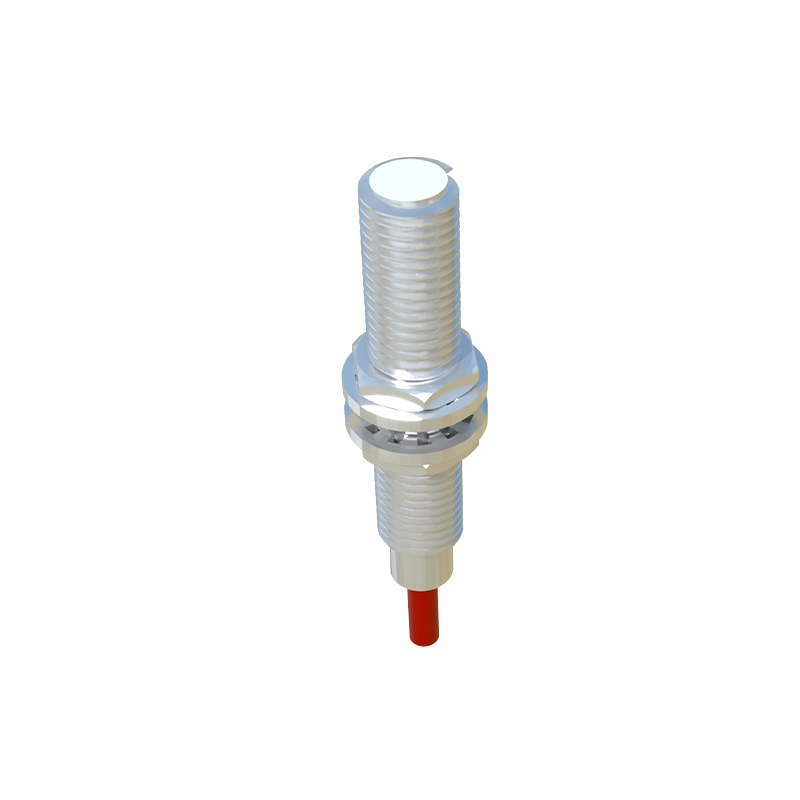
When implementing adjustable distance proximity switches, several best practices must be observed. First, always refer to the manufacturer's datasheet. The adjustment range is finite, and operating at the extreme limits of sensitivity often compromises the sensor's stated repeatability and temperature stability. Second, after making an adjustment, it is essential to test the sensor under all possible operating conditions, including power cycling, temperature extremes, and with the target in all expected positions. Third, for potentiometer-based adjustments, use a non-metallic tool to prevent influencing the field during adjustment. Finally, consider sensors with a "teach-in" button for simpler, two-point calibration (setting near and far points) or IO-Link enabled sensors. IO-Link provides digital parameterization, allowing not only for precise, remote adjustment of the sensing distance but also for monitoring operating status and diagnostic data, paving the way for predictive maintenance.
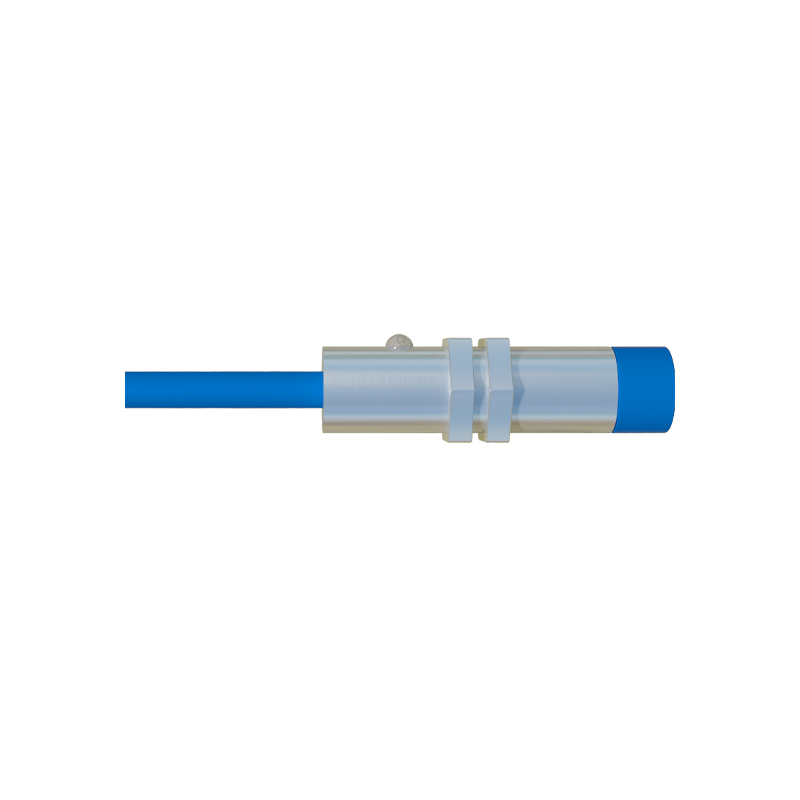
In conclusion, the capability to adjust the sensing distance transforms a standard proximity switch from a fixed-component into a versatile, tunable solution. It empowers engineers to optimize sensor performance for non-standard targets, overcome spatial constraints, eliminate mutual interference, and enhance overall system reliability. By understanding the underlying technology and adhering to careful adjustment procedures, this feature becomes a powerful tool in designing robust and efficient automated systems.