Proximity switch sensors are critical components in industrial automation, manufacturing, and safety systems. These non-contact sensors detect the presence or absence of objects within their sensing range, enabling precise control and monitoring without physical interaction. Understanding how to inquire about, select, and apply these sensors is essential for optimizing operational efficiency and system reliability.
When initiating a proximity switch sensor inquiry, several key parameters must be considered. First, determine the sensing distance required for your application. This varies based on sensor type—inductive sensors detect metallic objects, capacitive sensors handle non-metallic materials, and ultrasonic or photoelectric sensors offer longer ranges. The sensing environment also plays a role; factors like temperature, humidity, and potential interference from other equipment can affect performance.
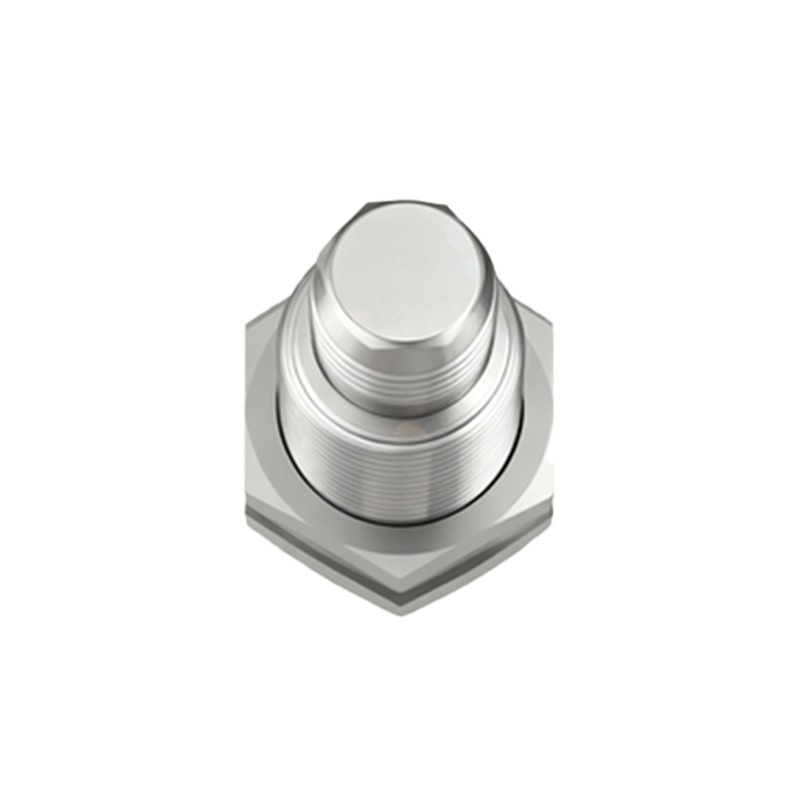
Next, evaluate the output type needed. Common options include NPN (sinking) or PNP (sourcing) transistor outputs, analog outputs for distance measurement, and relay outputs for high-power applications. The choice depends on the control system’s compatibility and the load requirements. Additionally, consider the sensor’s housing material—stainless steel or nickel-plated brass for harsh environments, or plastic for lighter-duty use.
Electrical specifications are equally important. Check the operating voltage range (typically 10-30V DC or 20-250V AC), current consumption, and switching frequency. For instance, high-speed applications like packaging lines may require sensors with frequencies exceeding 1 kHz. Don’t overlook mounting styles; threaded barrels, flat-pack designs, or slot sensors each suit different installation scenarios.
Inquiry should also address certifications and standards. In hazardous areas, sensors with ATEX or IECEx certifications ensure safety. For food and pharmaceutical industries, FDA-compliant materials prevent contamination. Always request datasheets and compliance documents to verify suitability.
Finally, consider lifecycle factors like durability, maintenance needs, and supplier support. Reputable manufacturers provide detailed technical support, warranty terms, and customization options. By systematically addressing these aspects, your proximity switch sensor inquiry will yield reliable, cost-effective solutions tailored to specific operational demands.