The global proximity sensor market has experienced significant expansion in recent years, driven by the relentless march of automation and the proliferation of smart technologies. These non-contact devices, capable of detecting the presence or absence of nearby objects, have become fundamental components across a diverse range of industries. From manufacturing floors to consumer electronics, their application is broadening, directly influencing the overall market scale and trajectory.
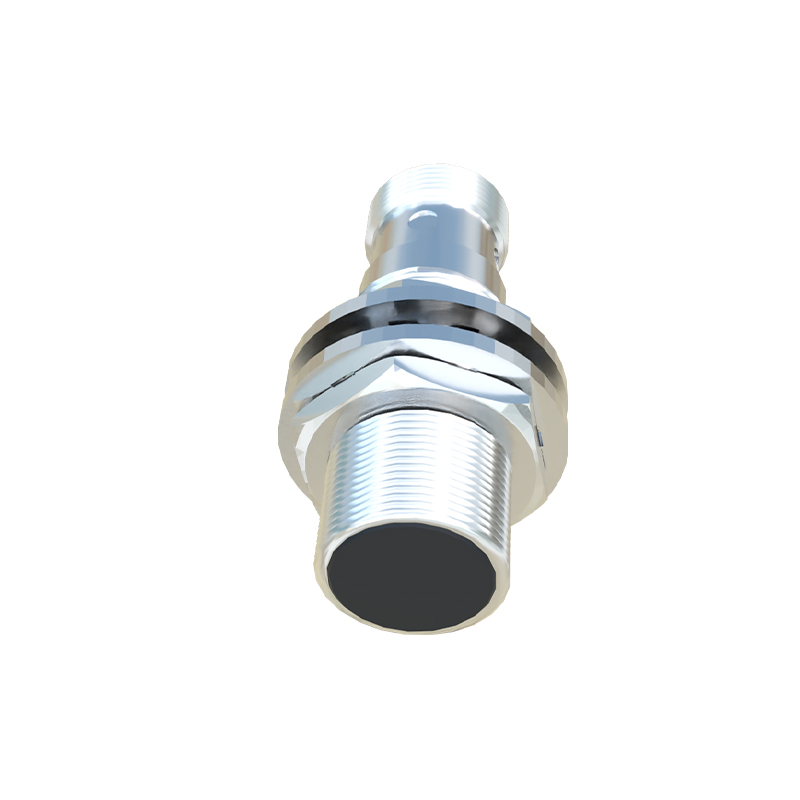
A primary engine for this growth is the industrial automation sector. The push for Industry 4.0 and smart manufacturing has created an insatiable demand for reliable sensing solutions. Proximity sensors are integral to assembly lines, robotic arms, and conveyor systems, where they enable precise object detection, positioning, and counting without physical contact. This not only enhances efficiency and speed but also reduces mechanical wear and tear, leading to lower maintenance costs and higher operational uptime. The demand for inductive, capacitive, and photoelectric proximity sensors in automotive manufacturing, packaging, and material handling continues to surge, solidifying industrial applications as the largest segment by end-use.
Concurrently, the automotive industry represents a major and evolving market. Modern vehicles are equipped with an increasing number of proximity sensors for safety and convenience features. Parking assistance systems, blind-spot detection, collision avoidance, and touchless trunk opening mechanisms all rely on these sensors. The accelerated development of autonomous and electric vehicles is set to further amplify this demand, as these advanced platforms require a dense network of sensors to perceive their environment accurately. This trend is a key contributor to the market's compound annual growth rate.
The consumer electronics segment, though involving smaller, often miniaturized sensors, contributes substantially to the overall volume. The integration of proximity sensors in smartphones to disable touchscreens during calls, in laptops for power management, and in various smart home devices for intuitive user interfaces, has created a high-volume, continuous demand. This sector's fast innovation cycles and massive production scales help drive down sensor costs and foster technological advancements that benefit other industries.
Geographically, the Asia-Pacific region dominates the proximity sensor market in terms of both production and consumption. This dominance is anchored by the robust manufacturing ecosystems in China, Japan, South Korea, and increasingly in Southeast Asian nations. The region is a global hub for electronics assembly and automotive production, consuming vast quantities of sensors. North America and Europe follow, with strong demand stemming from advanced industrial automation initiatives, aerospace, and high-end automotive manufacturing. Investments in IoT infrastructure and smart cities across these regions are opening new avenues for sensor deployment.
Several key trends are shaping the future scale of this market. The integration of proximity sensors with the Internet of Things (IoT) and Industrial IoT (IIoT) is a significant development. Smart sensors with built-in connectivity and data processing capabilities are becoming more common, enabling predictive maintenance and richer data analytics. Furthermore, there is a clear trend towards the development of sensors with higher precision, longer detection ranges, and enhanced resistance to harsh environmental conditions like extreme temperatures, dust, and moisture. The emergence of miniaturized and low-power consumption designs is also critical for portable and battery-operated devices.
However, the market does face challenges that could influence its growth pace. Price sensitivity, particularly in highly competitive consumer electronics and some industrial segments, pressures profit margins. The complexity of integrating advanced sensors into existing systems and the need for standardized communication protocols can also act as temporary barriers. Nevertheless, the overarching drivers of automation, safety regulations, and digital transformation across economies are overwhelmingly positive.
In conclusion, the proximity sensor market is on a sustained growth path, with its size being propelled by transformative forces in manufacturing, transportation, and consumer technology. Its scale is not merely a function of unit shipments but reflects its critical role as an enabling technology for smarter, safer, and more efficient systems. As industries continue to evolve towards greater connectivity and autonomy, the demand for sophisticated, reliable, and intelligent proximity sensing solutions is expected to strengthen, ensuring the market's expansion for the foreseeable future.