In the rapidly evolving landscape of industrial automation and precision measurement, wide-area laser sensors have emerged as a cornerstone technology. These sophisticated devices project a laser line or pattern over a broad field of view, enabling non-contact, high-speed, and highly accurate inspection of surfaces, profiles, dimensions, and presence detection across large areas. Unlike single-point laser sensors, which measure at one discrete spot, wide-area variants capture a continuous profile, making them indispensable for complex inspection tasks.
The fundamental operating principle typically involves triangulation. A laser diode projects a visible or invisible line onto a target surface. A receiver, often a high-resolution CMOS or CCD sensor positioned at a known angle, captures the image of this line. Any variation in the target's height, contour, or position causes a distortion or shift in the projected line's image. Advanced onboard processors analyze this distortion in real-time to calculate precise dimensional data, such as height maps, cross-sectional profiles, gap and flush measurements, or surface defect detection. Key performance metrics include measurement range, resolution (sometimes in the micron range), scanning frequency, and environmental robustness against ambient light, dust, and vibration.
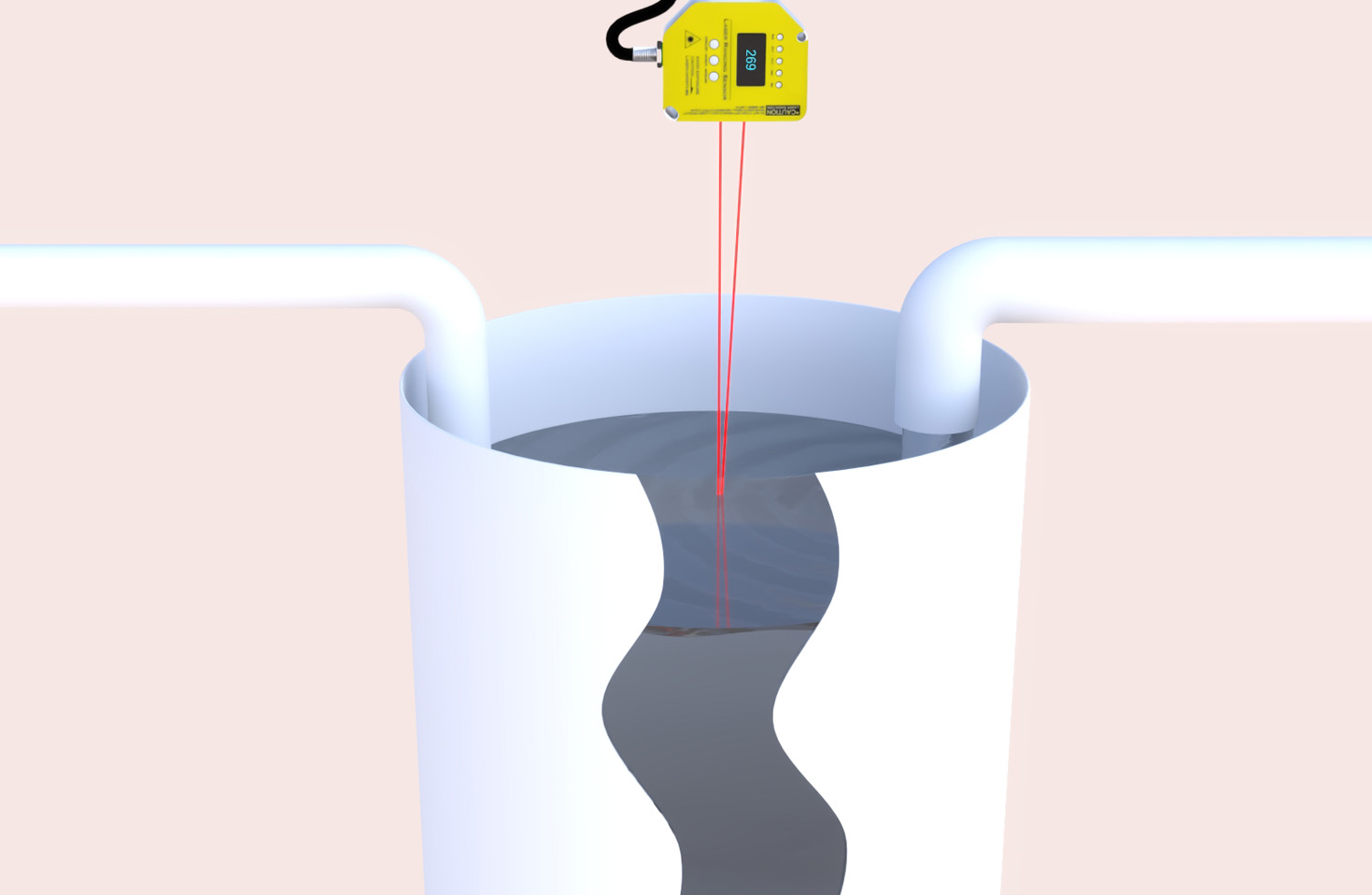
The applications for wide-area laser sensors are vast and transformative across multiple sectors. In automotive manufacturing, they are deployed for 100% inline inspection of body panel gaps, paint quality, and sealant bead application, ensuring flawless fit and finish. In electronics assembly, they verify component coplanarity, solder paste volume, and the presence of tiny connectors. The logistics and warehousing industry utilizes them for pallet profiling, dimensioning packages for shipping, and guiding robotic arms. Furthermore, in heavy industries like steel and lumber, these sensors perform critical tasks like width measurement, warpage detection, and surface flaw identification on moving production lines at high speeds.
Selecting the appropriate wide-area laser sensor requires a careful analysis of the application's specific demands. Engineers must first define the required measurement range and field of view. The sensor must cover the entire area of interest without mechanical scanning. Resolution is paramount; a profile inspection for subtle scratches demands a finer resolution than a simple presence/absence check for large objects. The scanning speed, often expressed in profiles per second, must match or exceed the production line speed to avoid becoming a bottleneck. Environmental factors are critical: industrial settings may necessitate sensors with high IP ratings (e.g., IP67) for dust and water resistance, robust housing to withstand shock, and specialized filters to mitigate interference from ambient light or other laser sources. Finally, integration capability is key. Modern sensors offer digital interfaces like Ethernet/IP, PROFINET, or EtherCAT for seamless connectivity with PLCs and industrial networks, alongside powerful software suites for easy configuration, data logging, and analysis.
Looking ahead, the integration of wide-area laser sensing with artificial intelligence and machine vision platforms represents the next frontier. By feeding rich 3D profile data into AI algorithms, systems can not only detect deviations but also classify defect types, predict maintenance needs, and adapt to product variations autonomously. This convergence is paving the way for smarter, more flexible, and zero-defect manufacturing environments. In conclusion, wide-area laser sensors are not merely measurement tools; they are enablers of quality, efficiency, and intelligence in modern industrial operations. Their ability to deliver precise, area-based data in real-time makes them a vital component in the toolkit of engineers driving the fourth industrial revolution.
