In the realm of industrial automation, precision measurement is paramount. Laser height sensors have emerged as a critical tool for non-contact, high-accuracy dimensional inspection and profiling. This review delves into the core technology, evaluates leading models, and provides a practical guide for engineers and system integrators.
Understanding the Technology
At its core, a laser height sensor operates on the principle of laser triangulation. A laser diode projects a focused spot or line onto the target surface. The reflected light is captured by a receiving lens at a specific angle and focused onto a position-sensitive detector (PSD) or a CMOS/CCD array. The position of the light spot on the detector shifts proportionally to the change in the target's height. This displacement is processed by the sensor's internal electronics to calculate the precise distance or height value. Key performance metrics include measurement range, resolution, linearity error, repeatability, and response speed. Modern sensors often integrate advanced features like background suppression, multi-peak detection for transparent or shiny surfaces, and robust housings for harsh environments (IP67 ratings are common).
Market-Leading Models: A Comparative Analysis
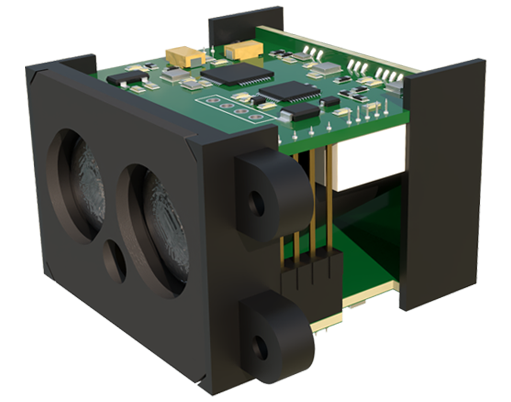
We evaluated several prominent sensors from top manufacturers like KEYENCE, SICK, Omron, and Banner Engineering. The evaluation focused on real-world industrial scenarios.

* KEYENCE IL Series: Renowned for exceptional stability and high resolution. The IL-300, for instance, offers a resolution down to 0.1 µm and a high sampling rate. Its standout feature is the advanced noise reduction algorithm, making it ideal for laboratory-grade measurements and ultra-precise manufacturing, such as semiconductor wafer inspection or precision coating thickness measurement. However, this performance comes at a premium price point.
* SICK OD Series: These sensors are workhorses known for robustness and versatility. The OD5000 model provides a generous measurement range with good linearity. Its major strength is the integrated IO-Link functionality, enabling easy parameterization, diagnostics, and integration into Industry 4.0 setups. It excels in automotive assembly lines for gap and flush measurement or in logistics for pallet profiling. The build quality ensures reliable operation in dusty or vibratory conditions.
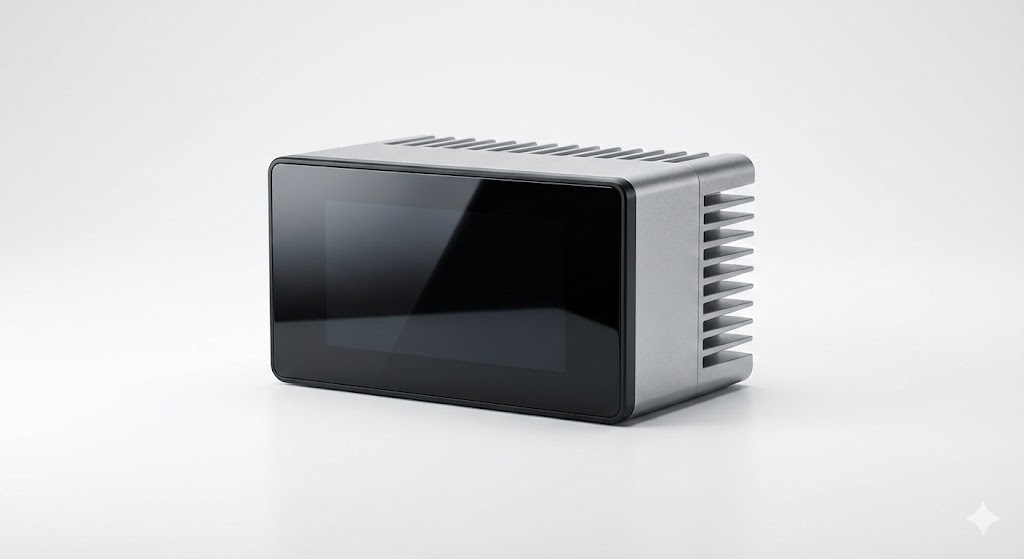
* Omron ZX Series: A strong contender offering an excellent balance of performance and value. The ZX2 model features a compact design and simple setup via a teach-in function. It performs reliably for routine height checks, part presence verification, and warp detection in consumer electronics assembly. Its user-friendliness makes it a favorite for maintenance technicians.
* Banner Q4X Series: This model is distinguished by its laser line projection (as opposed to a single spot), allowing for profile measurement and overcoming minor surface irregularities. It is particularly effective for detecting bent leads on integrated circuits or checking the fill level of uneven surfaces in packaging. Its durable stainless-steel housing is suitable for washdown applications in food and beverage.
Critical Application Considerations
Selecting the right sensor extends beyond spec sheets. The target surface material is the primary dictator. For matte, diffuse surfaces like anodized aluminum or painted steel, most standard sensors perform well. Challenges arise with specular (mirror-like), transparent, or multi-layered surfaces. For glossy metal, a diffuse reflection-type sensor or one with a coaxial optical design (where the laser and receiver are on the same axis) is necessary to avoid saturation. For glass or clear plastic, sensors with multi-peak detection algorithms can distinguish the true surface reflection from internal reflections.
Environmental factors are equally crucial. Ambient light, especially strong sunlight or welding arcs, can interfere with the laser. Models with modulated laser light and narrow-band optical filters offer superior immunity. Vibration can cause measurement noise, necessitating sensors with high vibration resistance or external mechanical damping. Finally, integration ease—consider output types (analog 4-20mA/0-10V, digital RS-485, Ethernet/IP), mounting constraints, and software support.
Selection Guide and Best Practices
1. Define the Requirement: Precisely determine the required measurement range, resolution, and speed. Allow for a safety margin beyond the nominal part variation.
2. Characterize the Target: Document the surface color, material, finish, and potential angle of presentation.
3. Audit the Environment: Note ambient temperature, light sources, contaminants (oil, dust, steam), and vibration levels.
4. Prioritize Features: Decide if advanced communication (IO-Link, Ethernet), high-speed streaming, or special optics are needed.
5. Test with Real Samples: Whenever possible, conduct a pilot test with actual production parts under real conditions. This is the only way to validate a sensor's suitability.
In conclusion, laser height sensors are indispensable for modern quality control and process automation. While brands like KEYENCE lead in ultra-high precision, SICK and Omron offer robust solutions for general industrial use, and Banner provides specialized capabilities for profile sensing. A successful implementation hinges on a thorough understanding of the application's specific demands, moving beyond catalog specifications to practical, environmental validation. Investing time in the selection process ensures reliable, accurate, and cost-effective measurement, directly contributing to improved product quality and manufacturing efficiency.