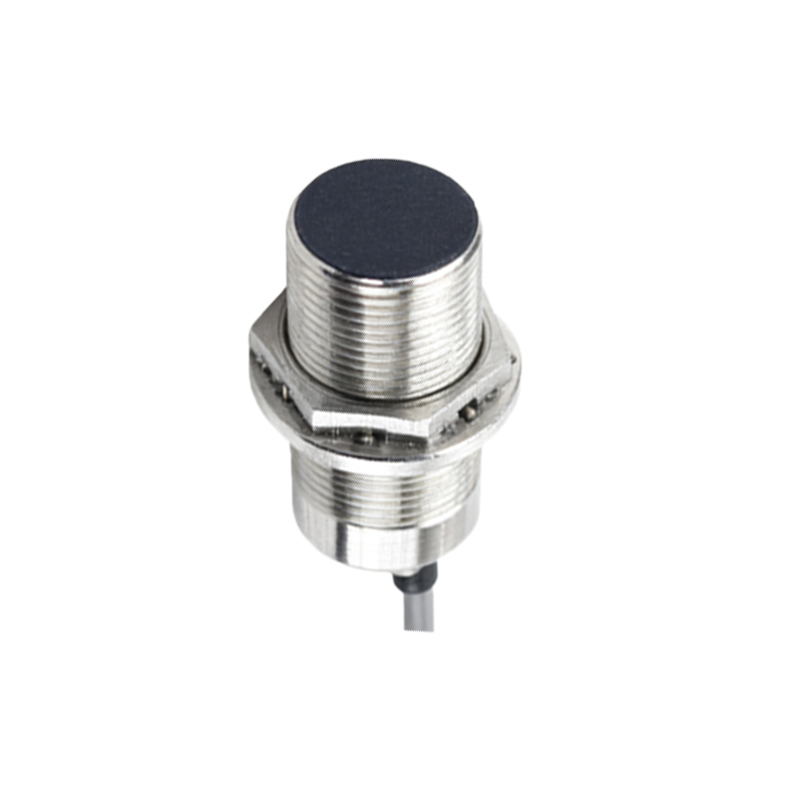
In the realm of industrial automation and control systems, the ability to detect the presence or absence of an object without physical contact is paramount. This is the domain of non-contact proximity sensors, a critical category of devices that ensure efficiency, safety, and reliability in countless applications. Unlike mechanical limit switches that require direct physical interaction, these sensors operate on various physical principles to sense targets at a defined distance, hence the term "proximity." Their non-contact nature eliminates mechanical wear, reduces maintenance, and allows for high-speed operation, making them indispensable in modern manufacturing, packaging, robotics, and automotive assembly lines.
The operational principle of a proximity sensor defines its characteristics and suitable applications. The most prevalent type is the inductive proximity sensor. Designed to detect metallic objects, typically ferrous metals like steel and iron, and sometimes non-ferrous metals like aluminum or copper with adjusted sensing ranges, it generates an oscillating electromagnetic field from its active face. When a conductive metal target enters this field, eddy currents are induced on the target's surface. This causes a change in the oscillation amplitude, which is detected by the sensor's internal circuit, triggering a solid-state output switch. Inductive sensors are robust, resistant to environmental contaminants like dust, oil, and coolant, and are ideal for harsh industrial environments. Key specifications include sensing distance, which is nominal and often derated for different metals, repeat accuracy, and switching frequency.
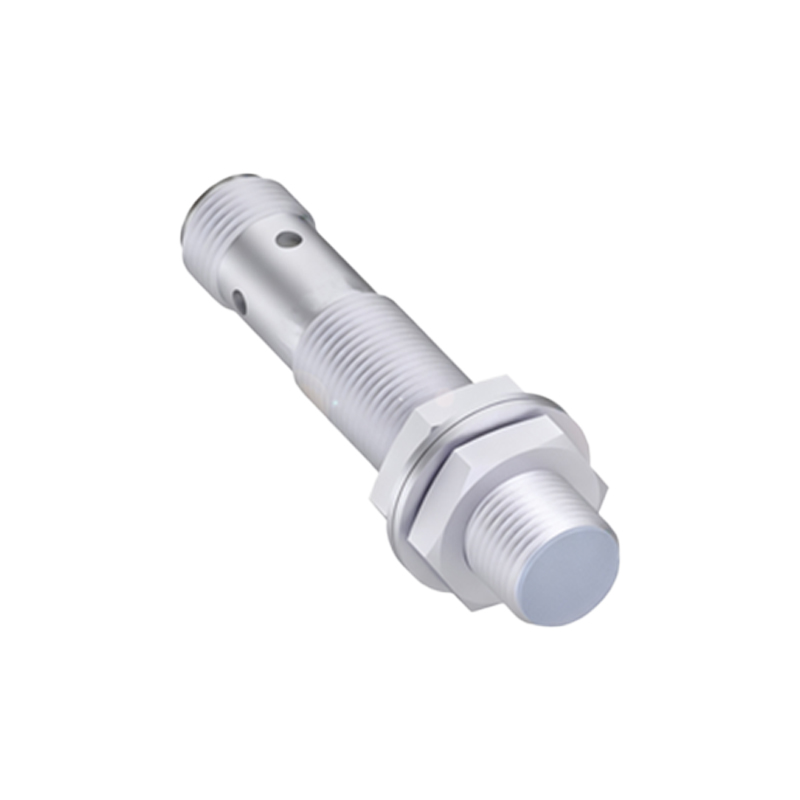
For non-metallic objects, including liquids, powders, glass, wood, and most plastics, capacitive proximity sensors are the tool of choice. They function similarly to inductive sensors but generate an electrostatic field. Any object that enters this field alters the capacitance of the system. The sensor detects this change in capacitance relative to a preset threshold. A significant advantage is their ability to sense through certain non-metallic container walls, enabling level detection of materials inside tanks or hoppers. However, they can be sensitive to environmental changes like humidity and temperature, requiring careful installation and tuning.
Another major category is the photoelectric sensor, which uses light to detect objects. It consists of a light emitter (usually an LED producing visible red, infrared, or laser light) and a receiver. These sensors offer the longest sensing ranges among proximity types. They operate in three primary modes: through-beam (separate emitter and receiver), retro-reflective (uses a reflector), and diffuse (or proximity) mode, where the sensor detects light reflected directly from the target. Photoelectric sensors are versatile for detecting objects of almost any material, color, or finish, but their performance can be affected by ambient light, dust, fog, or the target's color and reflectivity.
Ultrasonic sensors represent a highly reliable solution for distance measurement and presence detection, even in challenging conditions. They operate by emitting high-frequency sound waves and measuring the time for the echo to return. This time-of-flight principle allows them to detect objects of any material, texture, or color, and they perform well in environments with dust, mist, or varying light. Common applications include bulk material level sensing, loop control, and robot palletizing.
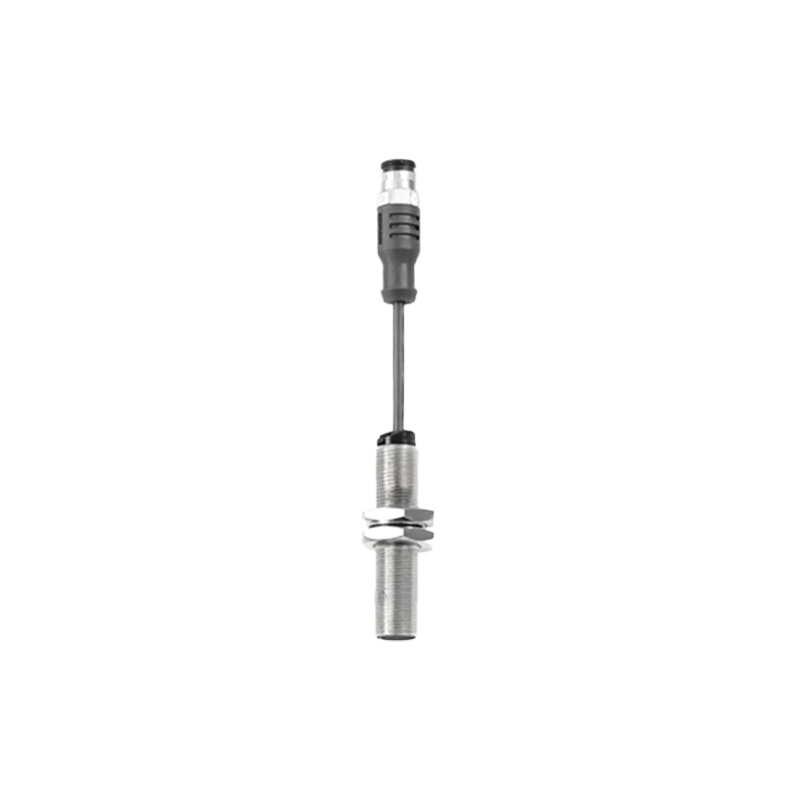
Selecting the right non-contact proximity sensor requires a thorough analysis of the application parameters. Engineers must consider the target material, required sensing distance, environmental conditions (IP rating, temperature, presence of chemicals), output type (PNP/NPN, NO/NC, analog), switching frequency, and electrical requirements. Installation is also critical; proper mounting, ensuring the correct approach direction, and maintaining adequate clearance from metal surroundings (for inductive sensors) are essential for reliable operation.
In conclusion, non-contact proximity sensors are the silent sentinels of automation. From ensuring a robotic gripper has picked up a component to confirming a bottle cap is properly seated on a high-speed filling line, their role is fundamental. Understanding the distinct technologies—inductive, capacitive, photoelectric, and ultrasonic—empowers engineers to design robust, efficient, and intelligent control systems. As Industry 4.0 advances, these sensors continue to evolve with enhanced intelligence, IO-Link communication for diagnostics and parameterization, and greater resilience, solidifying their position as a cornerstone of industrial sensing technology.