In the realm of industrial automation, the reliability and precision of sensing components are paramount. Among these, inductive proximity sensors stand as critical workhorses, and the H30-15NO model represents a robust and widely implemented solution for non-contact object detection. This article delves into the technical specifications, operational principles, application scenarios, and key advantages of the H30-15NO proximity switch, providing a detailed guide for engineers and maintenance personnel.
The H30-15NO is a cylindrical, shielded (flush-mountable) inductive proximity sensor. The alphanumeric designation is typically decoded as follows: 'H30' often refers to the housing diameter, in this case, 30 mm. '15' indicates the nominal sensing distance, which is 15 mm for this model. 'NO' signifies that the output switching element is Normally Open. This means that in the absence of a target within its sensing range, the output circuit remains open (off). When a metallic target enters the 15mm detection field, the sensor activates, closing the output circuit (on). This configuration is ideal for applications requiring an active signal only upon target presence.
Operating on the principle of electromagnetic induction, the H30-15NO generates a high-frequency oscillating electromagnetic field from its active face. When a ferrous or non-ferrous metal target (with different sensing ranges typically specified) penetrates this field, eddy currents are induced on the target's surface. This causes a change in the oscillation amplitude within the sensor's coil, which is detected by the internal circuitry. This change triggers the solid-state switching element, altering the output state. The sensor is designed to be immune to non-metallic materials like plastic, wood, or liquids, ensuring false triggers are minimized.
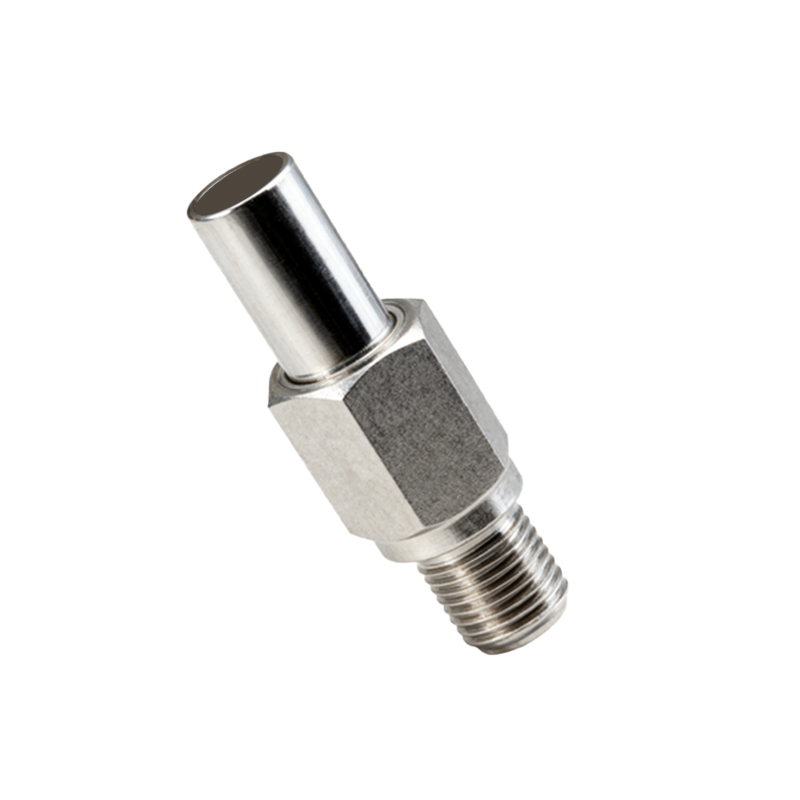
Key technical parameters define its suitability for harsh industrial environments. The operating voltage range is commonly 10-30V DC, making it compatible with standard industrial control voltage systems. The output type is typically a 3-wire configuration (Brown: +V, Blue: 0V, Black: Output) with a PNP (sourcing) transistor output, capable of switching loads up to 200mA. This allows it to directly interface with programmable logic controller (PLC) inputs, relays, or indicator lamps. Its housing is usually constructed from nickel-plated brass or stainless steel, offering high resistance to mechanical impact, oils, and coolants. The protection rating is generally IP67, meaning it is dust-tight and can withstand temporary immersion in water, suitable for demanding washdown environments in food processing or automotive manufacturing.
The application spectrum for the H30-15NO is vast. Common uses include position sensing of machine parts (e.g., verifying a cylinder has fully extended or retracted), end-of-travel detection on linear actuators, counting metallic objects on conveyor lines, and as a safety interlock to confirm the presence of a fixture or guard. Its shielded design allows for flush mounting in metal, eliminating the need for a side clearance and simplifying installation. However, engineers must adhere to the specified mounting recommendations to ensure the rated sensing distance is achieved and to prevent mutual interference when multiple sensors are mounted in close proximity.
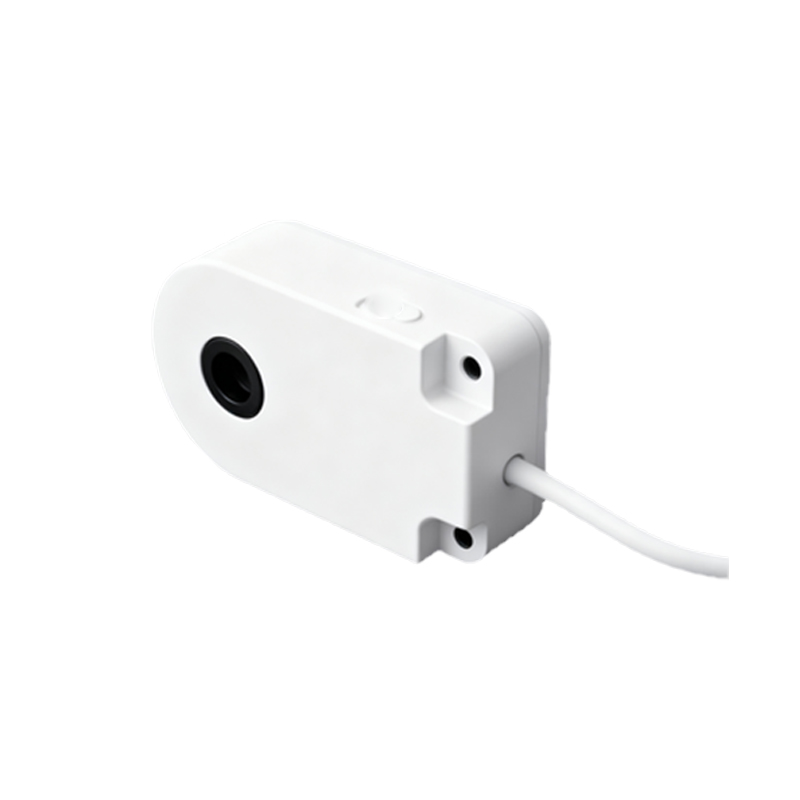
When selecting and installing the H30-15NO, several best practices should be observed. First, always verify the target material. While calibrated for steel, the actual sensing distance for metals like aluminum or copper will be reduced; consult the manufacturer's derating curves. Second, ensure proper wiring according to the datasheet to prevent damage. Incorporating a protective fuse or circuit breaker in the supply line is advisable. Third, consider the operating environment's temperature range, which for this sensor type is typically between -25°C and +70°C. For applications involving extreme temperature fluctuations or strong electromagnetic interference, additional shielding or sensor selection may be necessary.
Maintenance is generally minimal due to the non-contact nature of operation, which eliminates mechanical wear. Routine checks should involve verifying the cleanliness of the sensing face, as an accumulation of metallic dust or chips can potentially reduce the effective sensing range or cause erratic behavior. Electrical integrity can be checked with a multimeter to confirm switching behavior and output voltage levels under load.
In conclusion, the H30-15NO inductive proximity sensor is a testament to durable and effective design in industrial sensing. Its 15mm sensing range, robust construction, NO (Normally Open) logic, and high environmental protection make it a versatile and reliable choice for countless automation tasks. By understanding its operational parameters and installation requirements, engineers can leverage this sensor to enhance machine reliability, improve safety, and optimize production processes. Always refer to the specific manufacturer's technical data sheet for the exact specifications and installation guidelines of the particular H30-15NO unit in use.