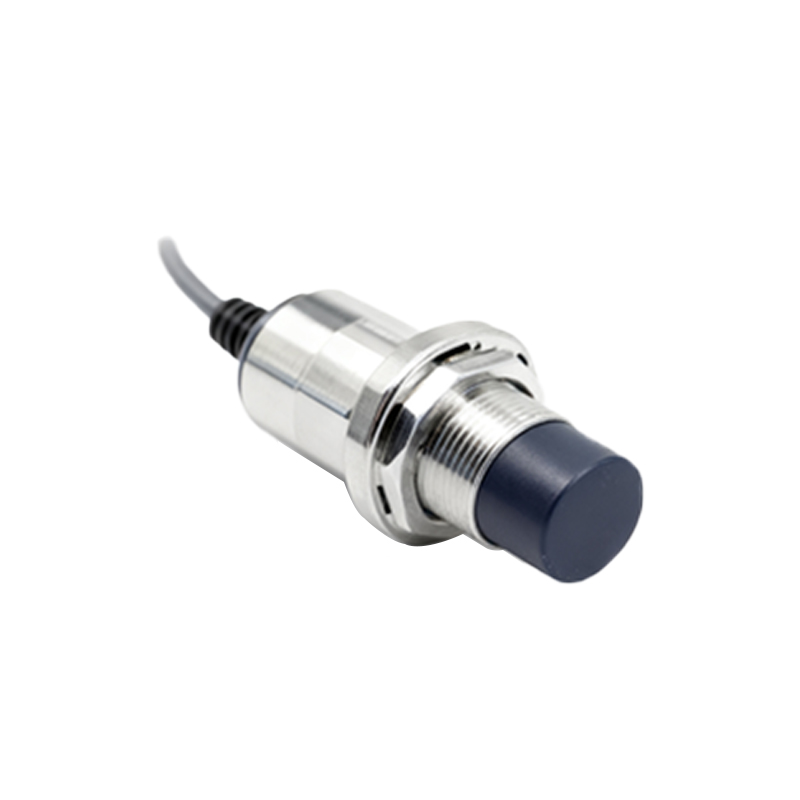
In the vast and complex landscape of industrial automation, reliable detection of object presence or position is a fundamental requirement. Among the myriad of sensing technologies available, magnetic proximity sensors stand out for their robustness, simplicity, and effectiveness in challenging environments. These devices operate on a straightforward yet powerful principle, offering solutions where other sensors might fail.
At its core, an industrial magnetic proximity sensor detects the presence of a magnetic field, typically generated by a permanent magnet. The sensor itself contains a reed switch or a solid-state Hall-effect element. When a magnet approaches within a specified range, it triggers the switch or causes a change in the Hall element's output, signaling the detection. This non-contact operation is a key advantage, eliminating mechanical wear and allowing for high-speed, maintenance-free cycling. The sensing distance, while generally shorter than some other proximity sensor types, is precisely defined and consistent.
The applications for these sensors are extensive and critical across numerous sectors. In factory automation, they are ubiquitous for detecting the position of cylinders in pneumatic and hydraulic systems. The magnet is embedded in the piston, and the sensor is mounted externally on the cylinder body, providing a clean and reliable way to confirm whether the cylinder is extended or retracted without any physical penetration or seals. This is vital for sequence control and safety interlocks. Beyond cylinders, they are used for limit switching on moving machine parts, detecting the open/closed status of doors or guards, and in conveyor systems to count metallic objects or verify pallet presence. In the automotive industry, they monitor gear position and rotational speed. Even in harsh environments—subject to oil, coolant, dust, vibration, and wide temperature swings—properly rated magnetic proximity sensors perform consistently where optical or inductive sensors might be compromised by contamination.
Selecting the right magnetic proximity sensor requires careful consideration of several parameters. First is the sensing distance, which must account for the magnet's strength and the required installation gap. Second is the output type: common configurations include two-wire AC/DC, three-wire NPN/PNN (sourcing or sinking), and analog or IO-Link versions for smart factory integration. The housing material is crucial; stainless steel or nickel-plated brass bodies offer high resistance to chemicals and physical impact. Electrical specifications such as operating voltage, current rating, and protection circuits (short-circuit, reverse polarity, overload) must match the control system. Environmental ratings, particularly the Ingress Protection (IP) code (e.g., IP67 for dust-tight and immersion protection) and temperature range, are non-negotiable for ensuring longevity. Finally, the form factor—barrel-shaped, rectangular, or with specific mounting brackets—must suit the mechanical constraints of the application.
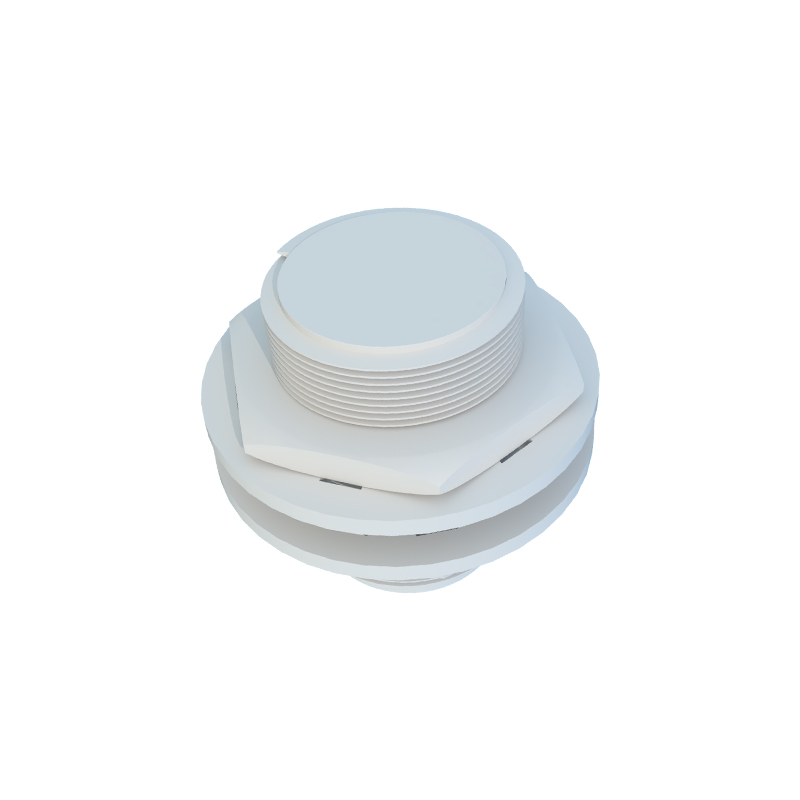
Installation and maintenance are notably straightforward. Ensuring correct alignment between the sensor and the magnet is paramount for achieving the rated sensing distance. Axial alignment is common for barrel sensors, while some designs allow for lateral sensing. Regular maintenance typically involves only checking for physical damage, loose connections, and ensuring the mounting remains secure. Unlike mechanical limit switches, there are no moving parts to lubricate or adjust, leading to significantly reduced downtime.
Looking forward, the evolution of magnetic sensing continues. Modern sensors incorporate advanced diagnostics, allowing them to report not just "on/off" status but also operational health metrics like temperature or signal strength via IO-Link communication. This facilitates predictive maintenance and deeper integration into Industry 4.0 data ecosystems. Furthermore, developments in magnet technology and integrated circuit design are pushing the boundaries of achievable sensing distances and miniaturization.
In conclusion, industrial magnetic proximity sensors represent a mature, reliable, and indispensable technology. Their principle of operation grants them inherent durability and immunity to many industrial nuisances. By understanding their working principles, vast application potential, and key selection criteria, engineers and technicians can effectively deploy these sensors to enhance the reliability, safety, and efficiency of automated systems. Their continued development ensures they will remain a cornerstone of industrial sensing for the foreseeable future.