The world of industrial automation and precision measurement relies heavily on a critical yet often unseen professional: the laser sensor installation technician. This role is far more than just mounting a device to a bracket. It represents a unique fusion of technical knowledge, practical skill, and meticulous attention to detail, ensuring that sophisticated laser-based systems perform reliably in demanding environments. For those with a mechanical aptitude and an interest in cutting-edge technology, this career path offers stability, challenge, and the satisfaction of building the infrastructure of modern manufacturing, logistics, and robotics.
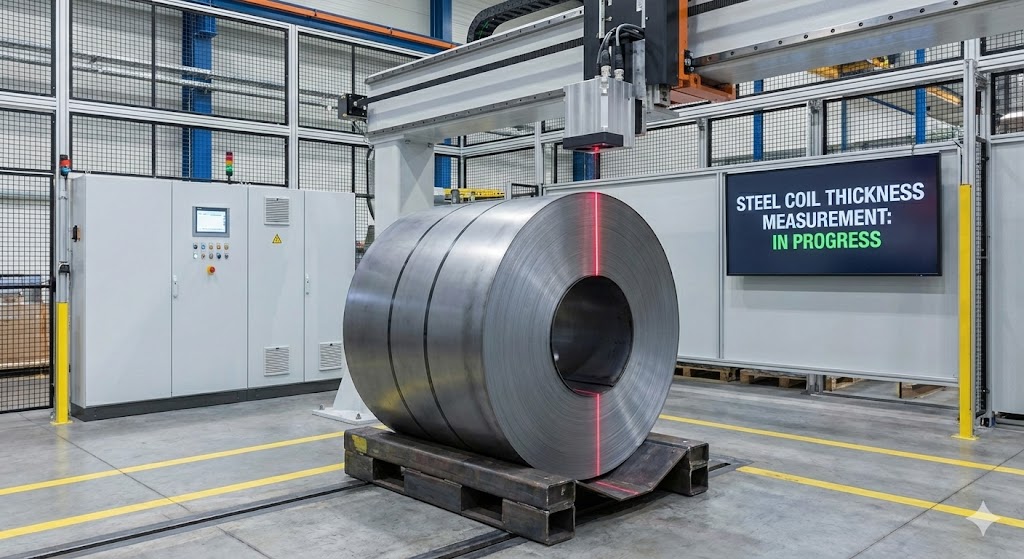
The core responsibility of a laser sensor installation technician is to correctly integrate laser sensors into a larger system. Laser sensors are used for a vast array of applications, including precise distance measurement, object detection, edge guiding, contour profiling, and quality inspection. Before any physical work begins, a proficient technician must understand the specific sensor's purpose. Is it a through-beam sensor detecting a broken conveyor line? A diffuse-reflective sensor counting packages? Or a high-accuracy time-of-flight sensor measuring material thickness? Each type has distinct requirements for alignment, calibration, and environmental considerations.
The installation process is methodical. It starts with a thorough review of the system schematics and the sensor manufacturer's technical datasheet. Key specifications like sensing range, beam spot size, response time, and required power supply are paramount. The technician then selects the optimal mounting location, considering factors such as vibration, ambient light interference (from other lasers or sunlight), dust, temperature extremes, and potential physical obstructions. Proper mounting hardware is secured, often requiring machining or custom bracket fabrication to achieve the perfect angle and stability.

The most crucial phase is alignment and calibration. Using specialized tools like alignment lasers (for visible beam sensors) or precision targets, the technician meticulously adjusts the sensor's position until the laser beam hits the target object with pinpoint accuracy. For analog sensors or those with teach-in functions, the technician then programs the sensing windows, thresholds, and output signals via connected controllers or handheld devices. They verify the sensor's output correlates correctly with the physical event—for example, a digital signal turning on precisely when a part is present.
Troubleshooting is an integral part of the job. A technician must be a adept problem-solver. If a sensor is malfunctioning, they systematically check the power connections, wiring integrity, lens cleanliness, and environmental factors. They use multimeters, oscilloscopes, and manufacturer-specific software to diagnose issues. Common problems include misalignment due to machine vibration, optical fogging in cold environments, or interference from highly reflective surfaces. The solution might be as simple as cleaning a lens or as complex as redesigning a mounting solution to avoid harmonic resonance.
The path to becoming a qualified technician typically involves a background in electrical engineering technology, industrial maintenance, or mechatronics. While a formal degree can be beneficial, many technicians develop skills through vocational training, apprenticeships, or military experience with technical systems. Hands-on experience with hand tools, power tools, and basic machining is essential. Increasingly, familiarity with industrial networking protocols (like IO-Link, Ethernet/IP, or Profinet) is a valuable asset, as modern sensors are often networked devices.
Beyond technical skills, the best installation technicians possess strong analytical thinking, patience, and clear communication. They must document their work thoroughly, creating installation logs and calibration reports for clients. They often collaborate with engineers, machine operators, and maintenance teams, explaining sensor functionality and providing basic operational training.
The demand for skilled laser sensor installation technicians is growing steadily. As industries pursue greater efficiency, quality control, and automation, the deployment of sensor technology expands. This career offers the opportunity to work in diverse settings—from clean rooms and automotive assembly plants to food processing facilities and outdoor logistics hubs. It is a hands-on profession where one can see the tangible results of their work: a production line that runs smoothly, a robot that handles parts accurately, or a safety system that protects workers. For the technically minded individual seeking a dynamic and essential role in the industrial landscape, becoming a laser sensor installation technician is a compelling and rewarding choice.