In the world of industrial automation and precision control, the demand for reliable, non-contact sensing solutions is ever-growing. Among the diverse array of sensors available, proximity switch strip sensors stand out as a versatile and powerful technology. Unlike single-point proximity sensors, these devices offer continuous sensing over a linear area, opening up a wide range of applications previously difficult or impossible to achieve with discrete sensors. This guide delves into the fundamentals, working principles, key benefits, and practical applications of proximity switch strip sensors.
At its core, a proximity switch strip sensor is an elongated device capable of detecting the presence or absence of an object along its entire length without physical contact. The most common technologies employed are inductive, capacitive, and magnetic. Inductive strip sensors are the workhorses for detecting metallic objects, such as steel, aluminum, or copper. They generate an electromagnetic field, and when a metal target enters this field, it induces eddy currents, causing a change in the sensor's oscillation amplitude, which is then converted into a switching signal. Capacitive strip sensors, on the other hand, can detect both metallic and non-metallic materials, including liquids, plastics, and wood, by measuring changes in capacitance. Magnetic strip sensors react to permanent magnets, making them ideal for harsh environments where dirt, dust, or moisture might interfere with other sensing methods.
The defining feature of these sensors is their strip or bar form factor. This linear design integrates multiple sensing elements or a continuous sensing field along a single housing. When an object of sufficient size moves along the strip, it sequentially activates the sensing points or creates a detectable disturbance in the field. The output can be configured in various ways: a simple digital ON/OFF signal when any part of the strip detects a target, analog signals representing the position of the target along the length, or even multiple discrete outputs from different zones of the strip. This flexibility is a significant advantage.
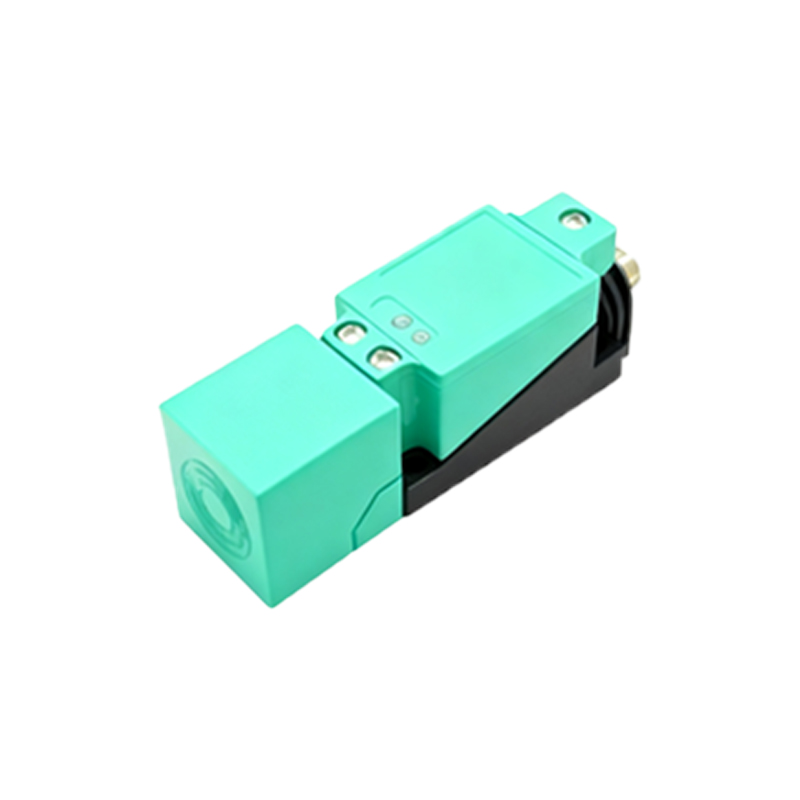
The benefits of implementing proximity switch strip sensors are substantial. First and foremost is their ability to provide continuous positional monitoring over a large area with a single, compact unit. This eliminates the need to install and wire multiple individual sensors, reducing complexity, installation time, and potential points of failure. Their non-contact nature ensures zero wear and tear on both the sensor and the target object, leading to exceptionally long service life and minimal maintenance. They are inherently robust, often featuring IP67 or higher ingress protection ratings, making them resistant to dust, water jets, oils, and coolants commonly found in industrial settings like machine tools, packaging lines, and automotive assembly plants.
Furthermore, these sensors offer high repeatability and fast response times, which are critical for high-speed automation processes. Their insensitivity to color, surface finish (for inductive types), and ambient light makes them reliable in varying conditions. The simplicity of their installation—often via standard mounting profiles or adhesive backing—adds to their appeal for system integrators and maintenance engineers.
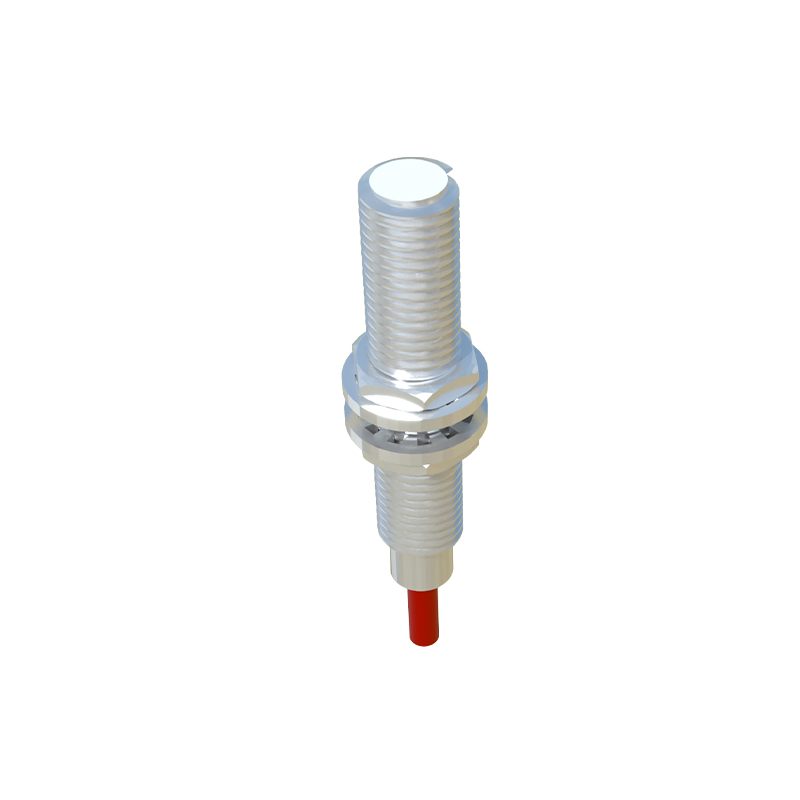
The practical applications of proximity switch strip sensors are extensive across numerous industries. In material handling and logistics, they are used for edge guidance on conveyor belts, detecting overhang of packages, or ensuring precise positioning of pallets and totes. In the automotive sector, they monitor the position of robotic arms, verify the presence of components on assembly fixtures, or control the stroke of welding guns. Within machine tools, they serve as end-of-travel limit switches for linear axes, tool presence verification, or door interlock monitoring for safety.
In packaging machinery, these sensors detect the correct fill level in bottles or containers moving on a line, monitor the position of sealing jaws, or control the cut-off length for wrapping films. They are also invaluable in elevator and escalator systems for precise floor leveling and door safety edges. For automated storage and retrieval systems (AS/RS), they provide accurate positioning of shuttles and cranes along their tracks. Even in cleanroom environments for semiconductor or pharmaceutical manufacturing, specially designed strip sensors perform critical positioning tasks without generating contamination.
When selecting a proximity switch strip sensor, several key parameters must be considered. The sensing length must match the required monitoring area. The sensing technology (inductive, capacitive, magnetic) must be compatible with the target material. Other crucial factors include the switching frequency or response speed, the output type (PNP/NPN, NO/NC, analog), the housing material (often stainless steel or nickel-plated brass for durability), and the environmental protection rating. Proper installation is also vital; ensuring the correct mounting distance and parallel alignment to the target path maximizes performance and sensing range.
In conclusion, proximity switch strip sensors are a sophisticated yet practical solution for linear position detection and object presence monitoring. By combining the reliability of proximity sensing with the coverage of a linear format, they solve complex automation challenges with elegance and efficiency. As industries continue to push for higher productivity, flexibility, and reliability, the role of these versatile