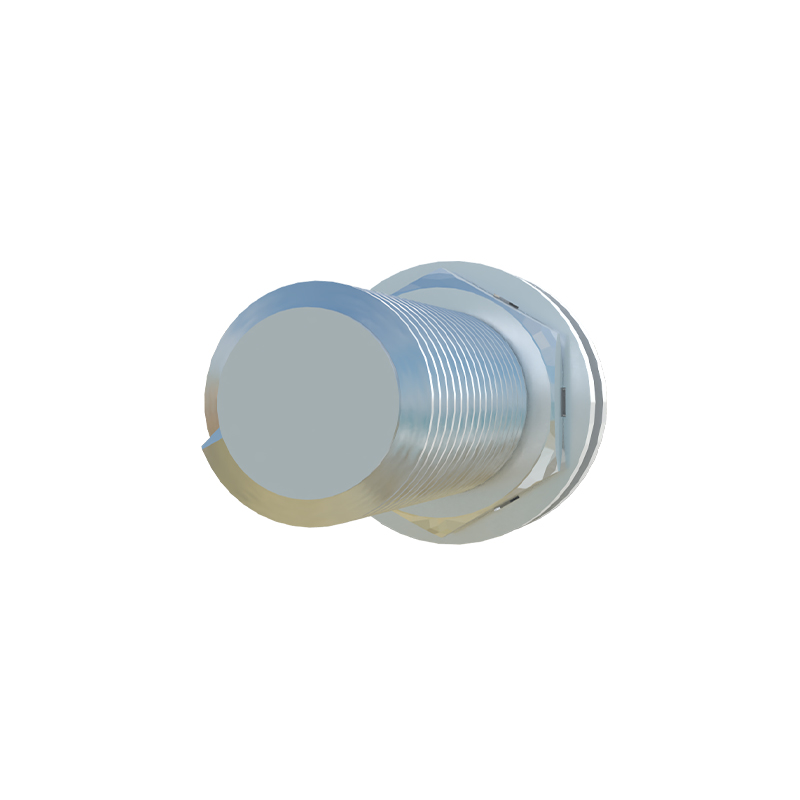
In the rapidly evolving landscape of industrial automation and smart device design, micro proximity sensors have become indispensable components. These compact, non-contact devices detect the presence or absence of objects with remarkable precision, enabling critical functions in assembly lines, robotics, consumer electronics, and safety systems. Understanding their specifications and model classifications is paramount for engineers to select the optimal sensor for a given application. This guide delves into the key parameters that define micro proximity sensor performance and explores common model series from leading manufacturers.
The core specification defining any proximity sensor is its sensing technology. The two primary types are Inductive and Capacitive. Inductive sensors detect metallic objects (ferrous and non-ferrous) by generating an electromagnetic field. Key specifications here include the sensing distance, typically ranging from 0.5mm to 8mm for micro models, and the factor correction for different metals (e.g., a sensor rated for 2mm for steel might sense copper at only 1.6mm). Capacitive sensors, on the other hand, can detect nearly any material, including liquids, plastics, and glass, by measuring changes in capacitance. Their sensing range is similar but can be influenced by the target material's dielectric constant.
Another critical set of specifications revolves around electrical and physical characteristics. The operating voltage is a fundamental parameter, with common DC ranges being 10-30V DC or 5V DC for board-level micro sensors. The output type is equally crucial: NPN (sinking) or PNP (sourcing) transistor outputs, analog outputs (4-20mA, 0-10V), or push-pull configurations. The load current, often between 50mA to 200mA, must be compatible with the connected controller input. Response frequency, measured in Hertz (Hz), indicates how quickly the sensor can detect objects passing by; high-speed applications may require sensors with frequencies exceeding 1 kHz. Physical specs include housing material (often PBT or stainless steel for the face), ingress protection rating (IP67 is standard for dust and temporary immersion), and connection type (pre-wired cable, M8, or M12 micro connectors).
Environmental ratings are non-negotiable for reliability. Operating temperature range, typically from -25°C to +70°C, ensures functionality in harsh conditions. Many models also specify resistance to specific chemicals, oils, or coolants. For inductive sensors, the mounting style—flush (shielded) or non-flush (unshielded)—affects the sensing distance and installation requirements. Flush-mounted sensors can be installed metal-to-metal without affecting their range, whereas non-flush models offer longer ranges but require a non-metallic surrounding area.
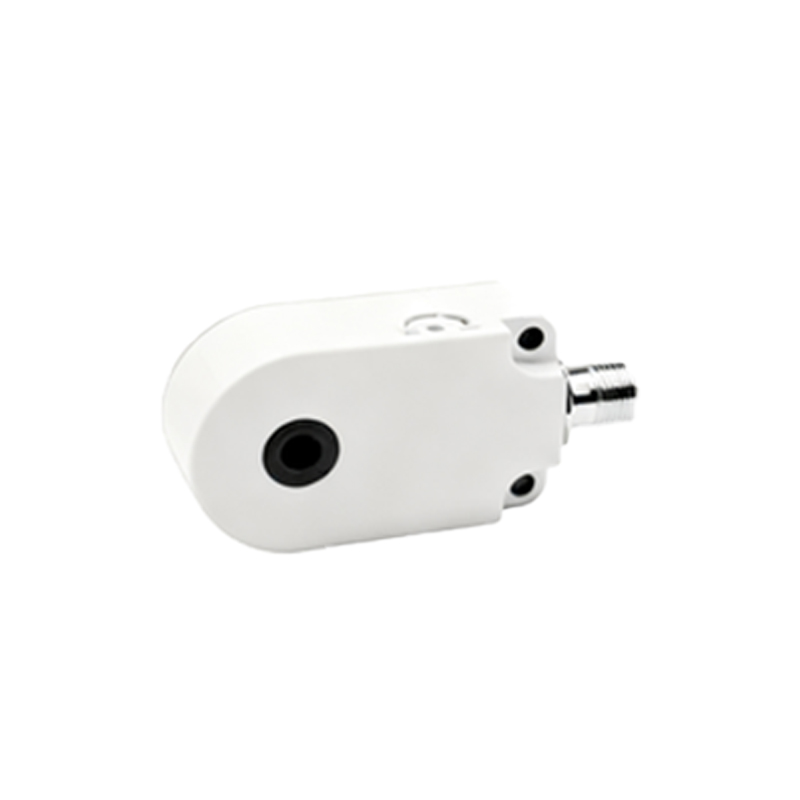
Examining model series from industry leaders provides practical insight. For instance, the Omron E2E Micro series is renowned for its ultra-compalloy housing and high-precision sensing distances up to 2.5mm, available in both DC 3-wire and 2-wire types. The Sick IME series offers exceptionally tiny inductive sensors with built-in IO-Link for digital parameterization and diagnostics, ideal for space-constrained robotic grippers. For capacitive needs, the Balluff BC micro series provides reliable detection of minute levels or non-metallic materials with temperature compensation for stable performance. The Pepperl+Fuchs UC family includes both inductive and capacitive variants in identical, rugged housings, simplifying mechanical design. When selecting a model, engineers must cross-reference the application's required sensing distance, target material, electrical interface, environmental challenges, and physical size constraints against the detailed datasheet specifications.
Finally, emerging trends are shaping new model features. The integration of IO-Link communication allows for remote configuration, real-time monitoring of sensor health, and simplified wiring. There is also a push towards miniaturization without sacrificing sensing distance or robustness, leading to new form-factors like wafer-style sensors. Engineers are advised to consult the latest catalogs and application notes, as specifications are continuously refined. A thorough analysis of these parameters ensures not only functional success but also longevity and maintenance efficiency in the final system design, making the micro proximity sensor a reliable sentinel in automated processes.