In the realm of industrial automation and control systems, proximity sensors are indispensable components for non-contact detection. Among the various models available, the EZ18T series stands out as a reliable and versatile solution. This article delves into the technical specifications, operational principles, common applications, and key selection criteria for the EZ18T inductive proximity sensor, providing a comprehensive overview for engineers and procurement specialists.
The EZ18T is typically an inductive proximity sensor designed to detect metallic objects without physical contact. Its core operating principle is based on electromagnetic induction. The sensor generates an oscillating electromagnetic field from its active face. When a metallic target enters this detection field, it causes eddy currents to form on the target's surface. These eddy currents absorb energy from the oscillator, leading to a decrease in the oscillation amplitude. This change is detected by the sensor's circuitry, which subsequently triggers a solid-state output switch (typically PNP or NPN configuration). This entire process ensures high-speed, wear-free detection, which is crucial for applications involving fast-moving parts or harsh environments.
Key features of the EZ18T sensor often include a compact cylindrical housing with an 18mm diameter (hence the '18' in its designation), making it suitable for installations with space constraints. It commonly offers a threaded barrel (e.g., M18x1 or M30x1.5) for easy mounting. The sensing distance, or 'Sn', is a critical parameter. For a standard EZ18T sensor, this typically ranges from 5mm to 8mm for steel targets, though exact specifications depend on the specific model and target material. Factors like target size, shape, and material (steel, aluminum, brass) directly influence the effective sensing range. Most models are equipped with built-in protection against short-circuits, overload, and reverse polarity, enhancing their durability. The housing is usually constructed from nickel-plated brass or stainless steel, with sensing faces made of PBT or similar plastics, offering good resistance to oils, coolants, and industrial chemicals.
Output configurations are a vital selection point. The EZ18T is available in both DC (10-30V DC) and AC/DC versions. The output can be normally open (NO), normally closed (NC), or analog (e.g., 4-20mA or 0-10V for distance-proportional measurement). The choice depends on the control logic of your PLC or controller. Many models also feature an LED status indicator for visual confirmation of operation and target detection, significantly aiding in setup and troubleshooting.
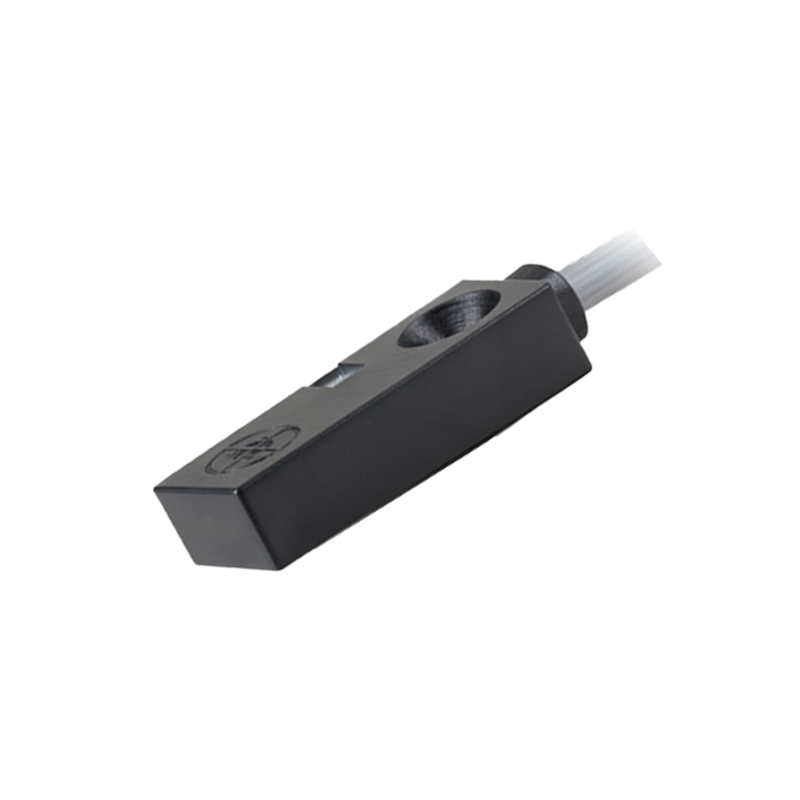
The applications for the EZ18T proximity sensor are vast across manufacturing and processing industries. Common use cases include: position sensing (e.g., verifying if a cylinder is fully extended or retracted), object counting on conveyor lines, detecting the presence of metal parts in assembly stations, monitoring rotational speed by detecting gear teeth or keyways, and as an end-of-travel limit switch in automated machinery. Its robustness makes it ideal for metalworking, packaging, automotive assembly, and material handling systems.
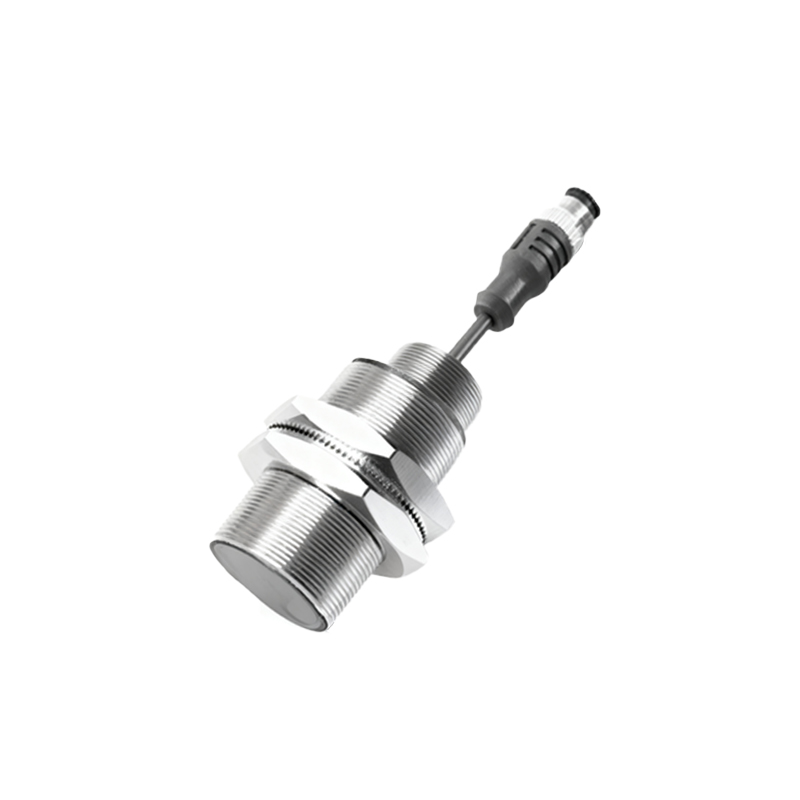
When selecting an EZ18T sensor for a specific application, several factors must be considered beyond just the physical size. First, identify the target material. While inductive sensors detect metals, the sensing range for non-ferrous metals like aluminum or copper is often reduced compared to steel. Check the manufacturer's derating curves. Second, consider the operating environment. Will the sensor be exposed to extreme temperatures, heavy washdowns, or strong electromagnetic interference? Ensure the chosen model's IP (Ingress Protection) rating (e.g., IP67, IP69K) and temperature range are adequate. Third, define the required electrical characteristics: operating voltage, output type (PNP sourcing vs. NPN sinking), and current capacity. Finally, consider the mounting style—flush-mounted or non-flush? Flush-mounted sensors can be embedded in metal, but have a shorter sensing range. Non-flush models offer longer ranges but require clearance around the sensing face.
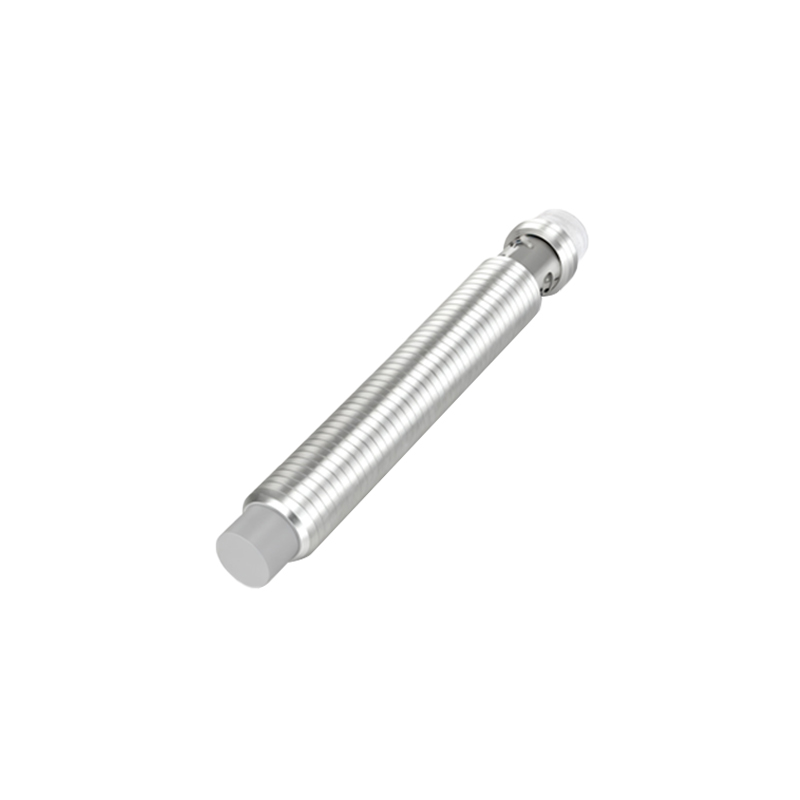
Installation and wiring are straightforward but require attention to detail. Always refer to the manufacturer's datasheet for precise wiring diagrams. Ensure proper grounding and use shielded cables in electrically noisy environments to prevent false triggering. Maintain the specified sensing distance from the target, accounting for any potential mechanical tolerances or vibrations. Regular maintenance is minimal but involves periodic checks for physical damage, buildup of metallic debris on the sensing face (which can reduce performance), and verification of the output signal.
In conclusion, the EZ18T proximity sensor represents a mature and highly effective technology for industrial metal detection. Its combination of rugged construction, reliable performance, and flexibility in output options makes it a go-to component for countless automation tasks. By carefully matching its technical specifications—sensing range, output type, environmental ratings, and target material compatibility—to the application