In the rapidly evolving landscape of industrial automation and precision measurement, laser sensors have emerged as a cornerstone technology, offering unparalleled advantages across diverse sectors. These devices utilize laser beams to detect, measure, or identify objects with exceptional accuracy and reliability. Their applications span from manufacturing and robotics to automotive safety and medical diagnostics, fundamentally enhancing operational efficiency and product quality.
One of the primary benefits of laser sensors is their high precision and resolution. Unlike conventional sensors that may rely on physical contact or less focused light sources, laser sensors emit a concentrated, coherent beam that allows for micrometer-level measurements. This capability is crucial in industries such as semiconductor manufacturing, where minute variations can impact performance. For instance, in assembly lines, laser sensors ensure components are positioned correctly, reducing errors and minimizing waste.
Another significant advantage is the non-contact nature of laser sensing. This feature eliminates wear and tear associated with mechanical probes, leading to lower maintenance costs and extended sensor lifespan. In harsh environments—such as those with extreme temperatures, dust, or vibrations—laser sensors maintain consistent performance without degradation. For example, in automotive quality control, they can inspect surface defects on painted car bodies without risking damage, ensuring flawless finishes.
Speed and real-time responsiveness further distinguish laser sensors. They can perform thousands of measurements per second, enabling rapid data acquisition for dynamic processes. In robotics, this allows for swift object recognition and adaptive movements, enhancing automation flexibility. Logistics and warehousing systems leverage this speed for sorting packages efficiently, boosting throughput in distribution centers.

Versatility is also a key strength. Laser sensors are adaptable to various tasks, including distance measurement, edge detection, and contour profiling. Advanced models integrate with IoT and AI systems, providing actionable insights for predictive maintenance and process optimization. In the medical field, they facilitate non-invasive diagnostics, such as in laser-based imaging techniques that improve patient outcomes.
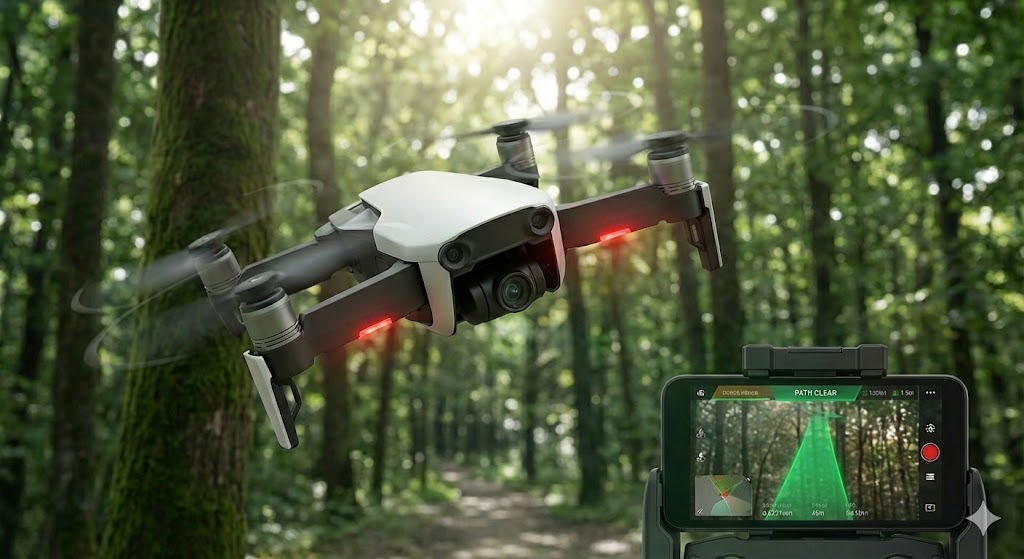
Moreover, laser sensors contribute to enhanced safety standards. In industrial settings, they can monitor hazardous zones, detecting intrusions or anomalies to prevent accidents. Autonomous vehicles rely on LiDAR (Light Detection and Ranging) sensors, a laser-based technology, for obstacle avoidance and navigation, paving the way for smarter transportation networks.
Despite their higher initial cost compared to some alternatives, the long-term return on investment is substantial due to reduced downtime, improved accuracy, and energy efficiency. As technology advances, miniaturization and cost reductions are making laser sensors more accessible, driving innovation across sectors. In summary, the integration of laser sensors represents a transformative shift toward smarter, more efficient industrial practices, underscoring their critical role in the future of automation and precision engineering.