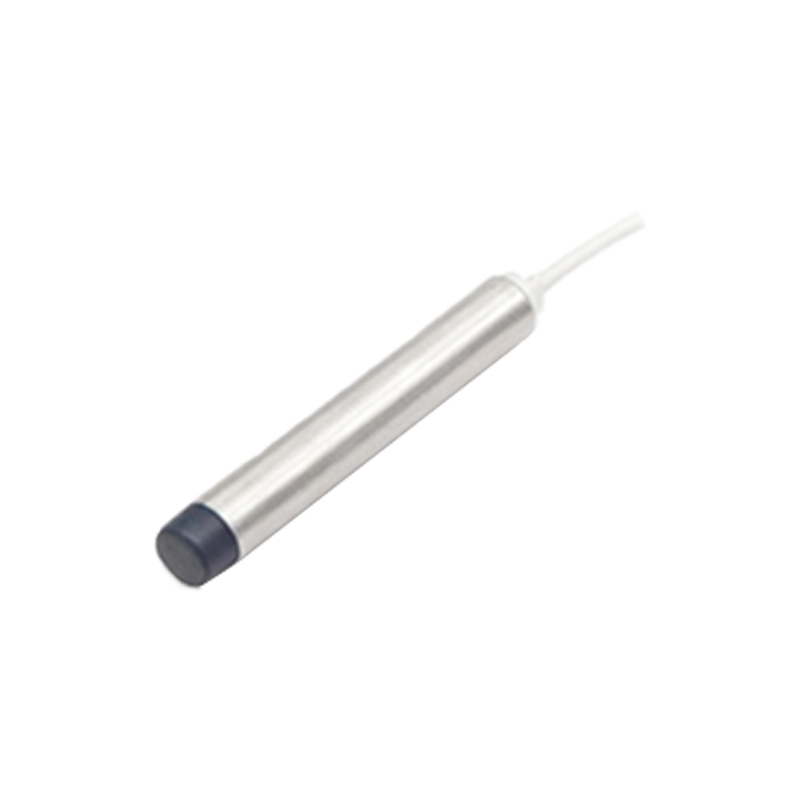
In the rapidly evolving landscape of industrial automation, proximity sensor companies stand at the forefront of technological advancement, driving safety, precision, and efficiency across diverse sectors. Among these, light curtain proximity sensor manufacturers play a pivotal role, offering solutions that seamlessly integrate into complex machinery and automated systems. These sensors, often referred to as safety light curtains, are non-contact devices that emit infrared beams to detect the presence of objects or personnel within a defined area. Their primary function is to prevent accidents by halting machinery operation when an intrusion is detected, thereby safeguarding workers in environments such as manufacturing plants, packaging lines, and robotic cells.
The engineering behind light curtain proximity sensors is a testament to innovation. Utilizing arrays of photoelectric transmitters and receivers, these devices create an invisible protective screen. When any beam is interrupted, the sensor sends an immediate signal to the machine's control system, triggering a safety stop. This technology not only enhances workplace safety but also boosts operational efficiency by allowing for faster machine cycles compared to traditional physical barriers. Companies specializing in these sensors invest heavily in research and development to improve detection accuracy, response time, and durability under harsh industrial conditions, including exposure to dust, moisture, and extreme temperatures.
A leading proximity sensor company typically offers a comprehensive portfolio, including customizable light curtains tailored to specific applications. For instance, in the automotive industry, these sensors ensure precise positioning of components on assembly lines, while in logistics, they facilitate automated sorting without human intervention. The integration of advanced features like muting, blanking, and cascading further expands their utility, enabling seamless operation in dynamic settings. Moreover, with the rise of Industry 4.0 and the Internet of Things (IoT), modern sensors are increasingly equipped with connectivity options, allowing for real-time monitoring, data analytics, and predictive maintenance. This digital transformation empowers businesses to optimize productivity and reduce downtime.
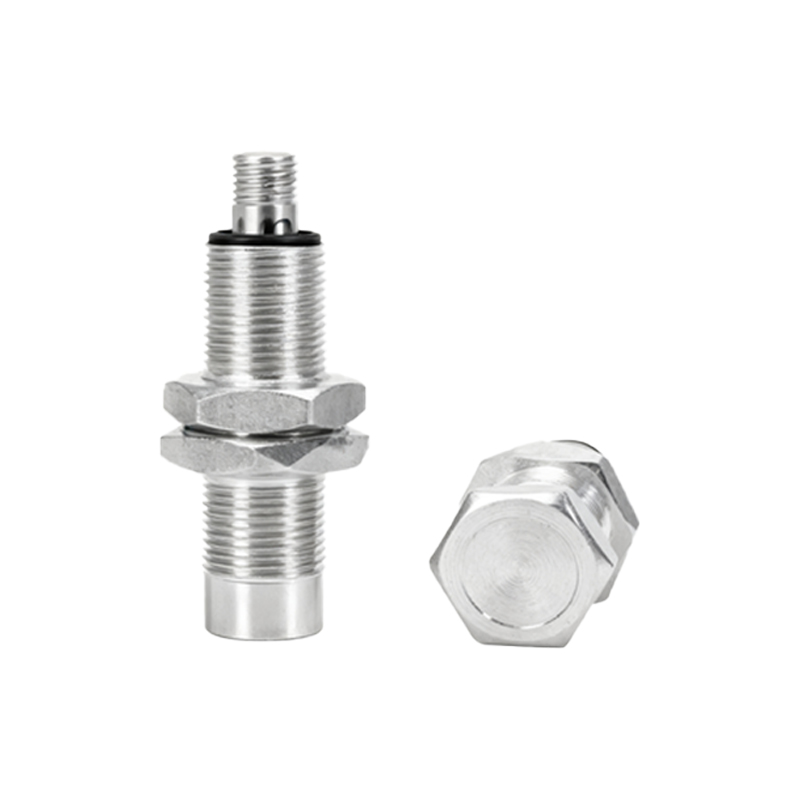
From a business perspective, partnering with a reputable proximity sensor company can yield significant competitive advantages. These firms provide not only high-quality products but also extensive technical support, from initial consultation to installation and after-sales service. Compliance with international safety standards, such as ISO 13849 and IEC 61496, is a critical aspect, ensuring that sensors meet rigorous regulatory requirements. As industries worldwide prioritize worker safety and automation, the demand for reliable light curtain solutions continues to grow. Companies that innovate in this space contribute to a safer, more efficient industrial ecosystem, ultimately driving economic growth and sustainability.
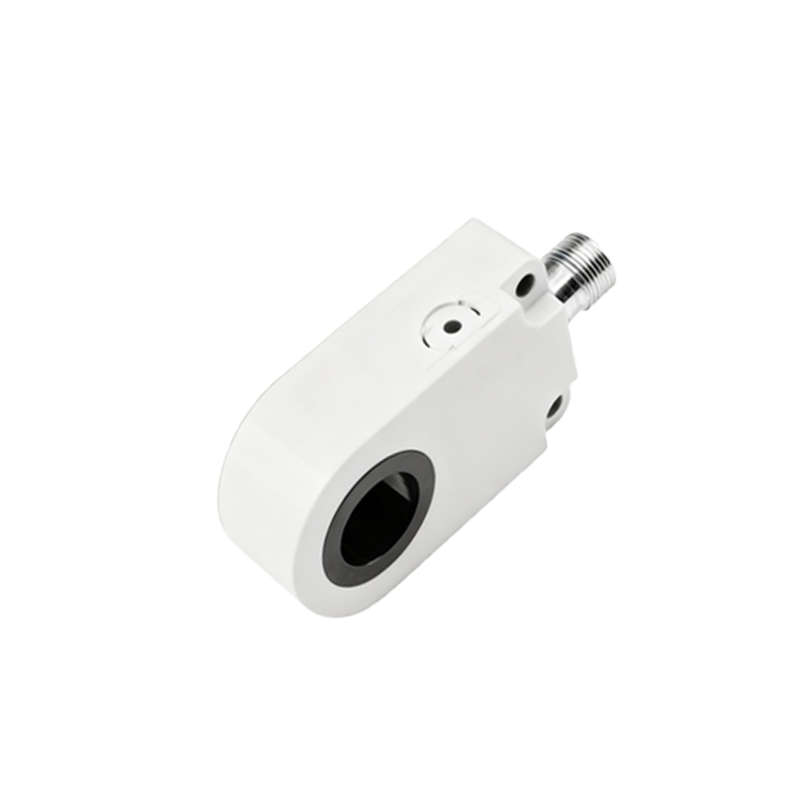
In conclusion, the impact of proximity sensor companies, particularly those focusing on light curtain technology, extends far beyond mere component supply. They are enablers of a safer, smarter, and more productive industrial future. By continuously refining their offerings and adapting to emerging trends, these firms play an indispensable role in shaping the next generation of automation. For engineers and decision-makers, selecting the right sensor partner is crucial—a choice that balances technical excellence, reliability, and forward-thinking innovation to meet the challenges of modern industry.