This experimental report details a comprehensive investigation into the application of inductive and capacitive proximity sensors within a controlled industrial automation environment. The primary objective was to evaluate and compare their operational characteristics, including sensing range, repeatability, response time, and environmental interference susceptibility, under conditions simulating real-world manufacturing scenarios.
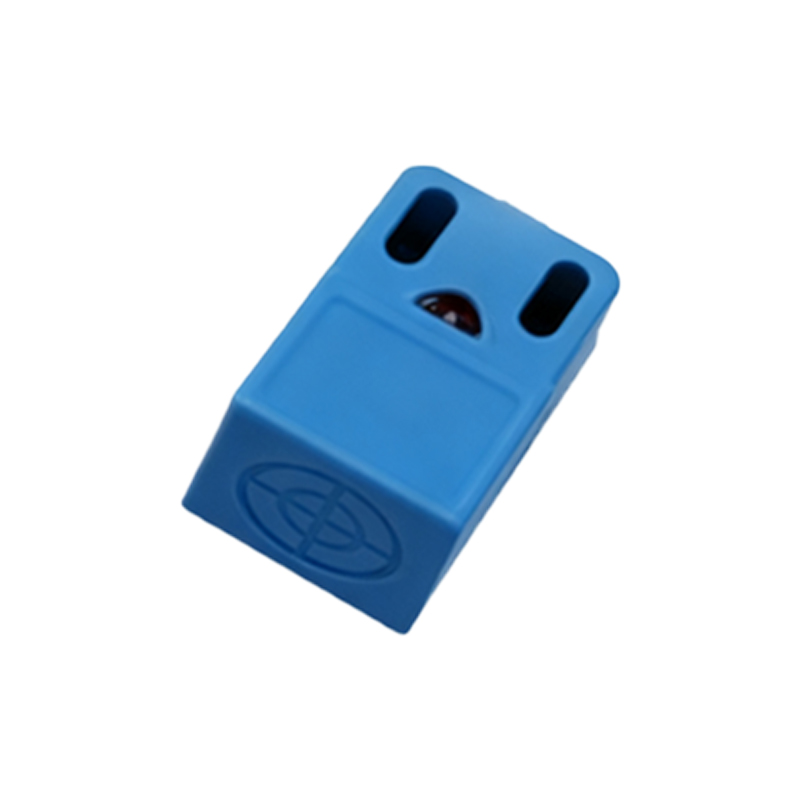
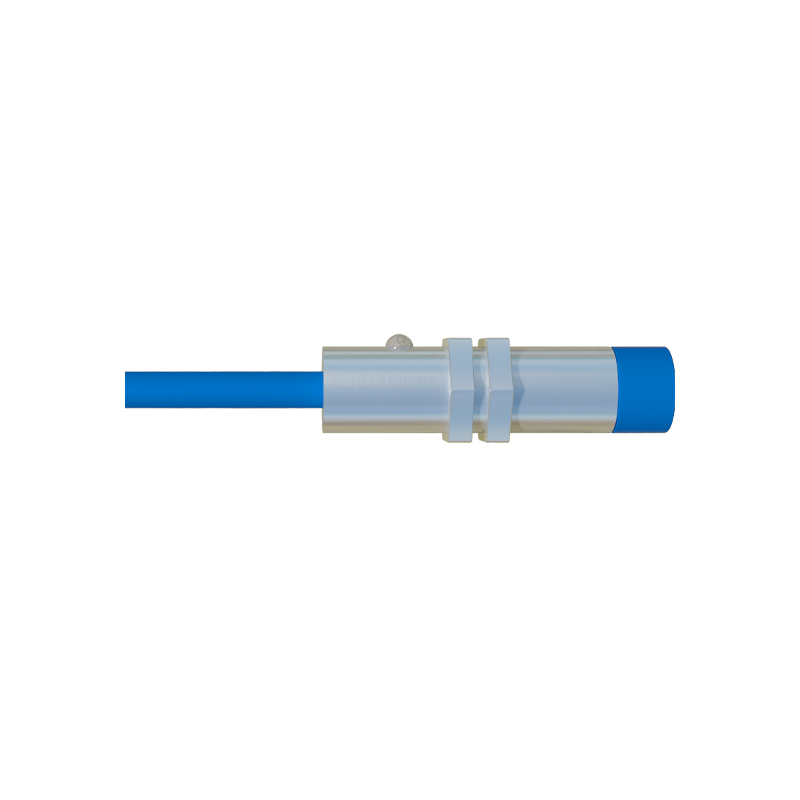
The experimental setup consisted of a modular test bench featuring a programmable linear actuator to simulate target movement. Two primary sensor types were evaluated: a standard cylindrical inductive sensor (model IS-12M-08, 12mm diameter) designed for metallic object detection, and a flat-pack capacitive sensor (model CS-18F-05) capable of detecting both metallic and non-metallic materials. Both sensors were connected to a data acquisition unit interfaced with specialized software for real-time signal monitoring and logging. Target objects included a standard mild steel plate, an aluminum block, a glass pane, and a plastic container filled with water, to test material dependency.
A series of methodical tests were conducted. First, the nominal sensing distance (Sn) was verified. For the inductive sensor, the declared Sn of 4mm was confirmed with the steel target, showing a reliable switch signal at 3.9mm ±0.1mm. The capacitive sensor, with a stated Sn of 5mm, activated at 4.8mm from the water-filled container. The experiment highlighted a critical finding: the effective sensing distance for capacitive sensors varied significantly with the target material's dielectric constant, dropping to 2.1mm for the glass pane. This underscores the necessity for precise calibration based on the specific application material.
Subsequent tests focused on repeatability. The actuator was programmed to bring the steel target to the 90% Sn point repeatedly over 500 cycles. The inductive sensor demonstrated exceptional repeatability with a positional variance of less than ±0.02mm. The capacitive sensor, while still reliable, showed a slightly higher variance of ±0.05mm when detecting the water container, attributed to minor fluctuations in the liquid's surface state. This data is crucial for high-precision assembly or positioning tasks where consistency is paramount.
Response time, a vital parameter for high-speed applications, was measured by analyzing the sensor's output signal transition time in response to a rapidly moving target. The inductive sensor exhibited a faster average response time of 0.8ms, compared to the capacitive sensor's 1.5ms. This performance difference is attributed to the fundamental operating principles; inductive sensors react to eddy current losses, while capacitive sensors measure changes in an electrostatic field, which can be slightly slower to stabilize.
Environmental interference tests revealed further operational distinctions. Introducing an external AC field near the capacitive sensor caused intermittent false triggering, demonstrating its sensitivity to electromagnetic noise. The inductive sensor remained unaffected by the same field. However, when metal debris or shavings were deliberately placed within the inductive sensor's field, it resulted in a persistent false detection, a common challenge in dirty industrial environments. The capacitive sensor was immune to such metallic debris but could be inadvertently triggered by accumulated dust or moisture with a high dielectric constant on its face.
Hysteresis, the difference between the switch-on and switch-off points, was also quantified. Both sensors exhibited hysteresis to prevent chatter at the sensing boundary. The inductive sensor showed a hysteresis of approximately 10% of Sn, while the capacitive sensor's hysteresis was adjustable via its onboard potentiometer, set to 15% for this test to ensure stable operation in the presence of slowly moving targets.
In conclusion, this experiment provides empirical data supporting key selection criteria for proximity sensors. Inductive sensors are the superior choice for high-speed, high-repeatability detection of metals, especially in electromagnetically noisy environments. Their limitation is exclusive sensitivity to conductive materials. Capacitive sensors offer unique versatility in detecting a wide range of materials, including liquids and powders, but require careful consideration of environmental factors like humidity, dust, and electrical noise. Their slightly slower response and material-dependent sensing range necessitate thorough application testing. The final sensor selection must be a balanced decision based on the specific target material, required speed, precision, and the prevailing environmental conditions on the factory floor.