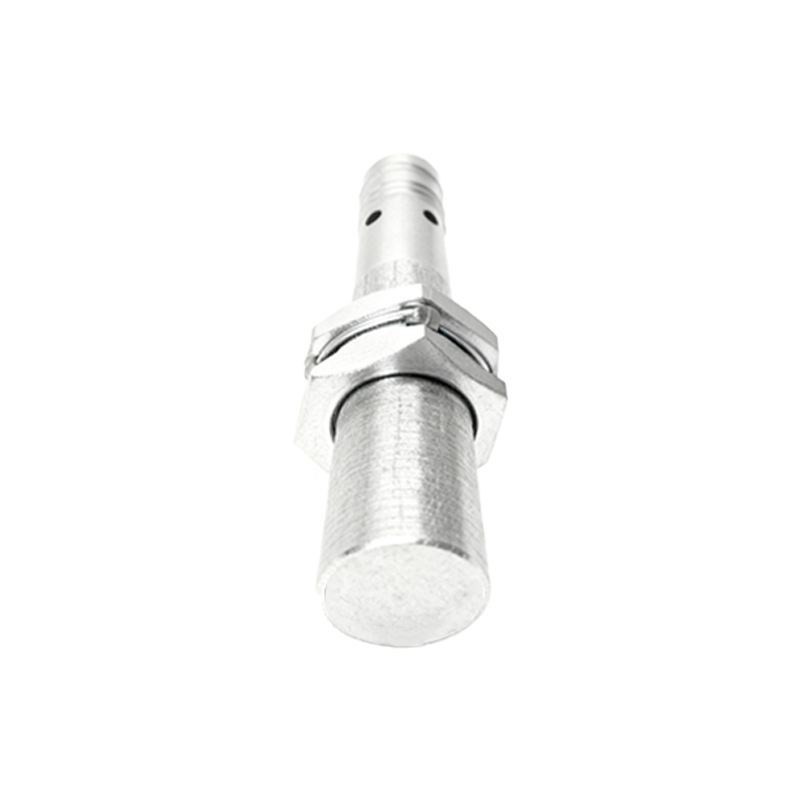
In the evolving landscape of industrial automation, the shift from traditional proximity sensors to advanced touchscreen interfaces represents a significant technological leap. Proximity sensors, including inductive, capacitive, and ultrasonic types, have long been the backbone of detection and control systems. They operate by detecting the presence or absence of objects without physical contact, relying on electromagnetic fields or sound waves. While reliable, these sensors come with limitations: fixed detection ranges, susceptibility to environmental interference, and a lack of flexibility for reconfiguration. Each sensor is typically dedicated to a single task, such as counting parts on a conveyor belt or ensuring a machine door is closed, requiring separate wiring and programming for each unit. This can lead to complex, costly installations and maintenance challenges, especially in dynamic production environments where changes are frequent.
Touchscreen technology, particularly robust industrial-grade panels, offers a compelling alternative. Modern touchscreens integrate detection and interface capabilities into a single device. Instead of multiple discrete sensors scattered across a machine, a touchscreen can manage numerous input points through its interactive display. For instance, a single screen can replace a bank of proximity sensors used for position verification by displaying virtual buttons or zones that respond to touch or approach. This is achieved through capacitive or resistive touch principles, where the screen detects changes in electrical current or pressure from a finger, stylus, or even a gloved hand in some models. The integration simplifies hardware setups, reducing wiring complexity and physical footprint. Moreover, touchscreens provide real-time visual feedback, allowing operators to monitor status, adjust parameters, and troubleshoot issues directly from the interface. This enhances usability and reduces training time, as interactions become more intuitive compared to interpreting sensor indicator lights or diagnostic codes.
From a technical perspective, the replacement involves rethinking control system architecture. In traditional setups, proximity sensors connect to programmable logic controllers (PLCs) via input modules, sending binary signals (on/off) based on object detection. With touchscreens, the interface often communicates directly with the PLC or embedded controller over networks like Ethernet/IP or PROFINET, transmitting data as digital commands. This enables more sophisticated logic; for example, a touchscreen can replace a proximity sensor for door safety by using a software-based interlock—if an operator touches a "door open" icon, the system can disable machinery automatically. Additionally, touchscreens support multi-functionality: the same screen area might serve as a sensor replacement during operation and a diagnostic tool during maintenance, displaying trends or logs. However, this transition requires careful consideration of environmental factors. Industrial touchscreens must be rated for conditions like dust, moisture, and temperature extremes, often featuring hardened glass and IP67 sealing. While proximity sensors excel in harsh, dirty environments where physical contact is undesirable, modern industrial touchscreens are designed to withstand similar challenges, with options for glove-friendly operation and high-brightness displays for visibility in varied lighting.
The benefits of adopting touchscreens extend beyond mere substitution. They enable greater flexibility in manufacturing processes. When production lines are reconfigured for new products, touchscreen interfaces can be reprogrammed quickly via software updates, whereas proximity sensors might need physical relocation or recalibration. This reduces downtime and operational costs. Data integration is another advantage; touchscreens can aggregate information from multiple points, providing analytics on machine performance or predictive maintenance alerts, which discrete sensors cannot offer alone. For example, instead of just detecting a part's presence, a touchscreen system could track cycle times and identify bottlenecks visually. Nonetheless, there are scenarios where proximity sensors remain preferable, such as high-speed applications requiring microsecond response times or locations where space constraints prevent screen installation. The key is a hybrid approach: using touchscreens for primary control and monitoring while retaining specialized sensors for critical, high-precision tasks.
In practice, implementing touchscreen-based systems involves evaluating cost, reliability, and scalability. Initial investment might be higher due to screen hardware and software development, but long-term savings accrue from reduced wiring, lower maintenance, and enhanced adaptability. As Industry 4.0 and the Internet of Things (IoT) advance, touchscreens serve as gateways to connected systems, facilitating remote monitoring and control. To ensure success, engineers should prioritize selecting industrial-grade components, designing intuitive user interfaces, and conducting rigorous testing under real-world conditions. By thoughtfully integrating touchscreens, manufacturers can achieve more streamlined, intelligent automation that responds agilely to changing demands, ultimately driving efficiency and innovation on the factory floor.