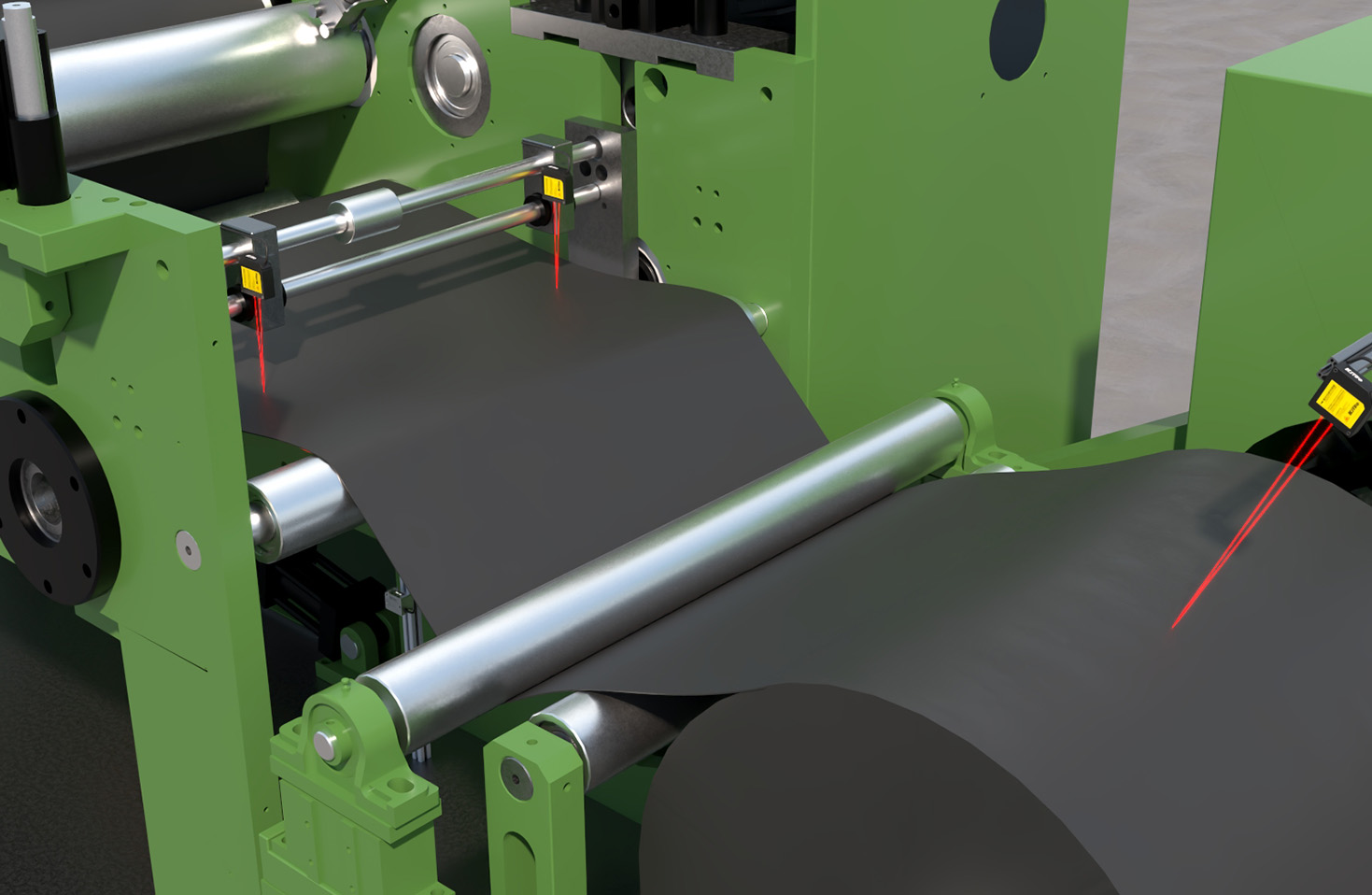
In modern industrial automation and quality control, the accurate measurement of cylindrical components, such as pipes, tubes, and shafts, is paramount. Laser displacement sensors have emerged as a critical tool for this purpose, offering non-contact, high-speed, and precise dimensional inspection. These sensors operate on the principle of triangulation or time-of-flight, projecting a focused laser beam onto the surface of a cylindrical object and detecting the reflected light to calculate distance with micron-level accuracy. For round pipes, this technology enables comprehensive profiling, including outer diameter (OD), inner diameter (ID) via specialized configurations, ovality, straightness, and surface defect detection.
The application of laser displacement sensors for pipe measurement addresses several industry challenges. In manufacturing processes like extrusion, rolling, or machining, real-time monitoring ensures consistent product quality and minimizes material waste. Sensors can be integrated into production lines to perform 100% inspection, identifying deviations such as dents, bulges, or thickness variations that could compromise structural integrity. For example, in the oil and gas sector, pipes must adhere to strict tolerances to withstand high pressures; laser sensors provide the reliability needed for certification. Similarly, in automotive or aerospace industries, lightweight tubular structures require exact dimensions for safety and performance.
Selecting the appropriate laser sensor involves considering factors like measurement range, resolution, sampling rate, and environmental robustness. For cylindrical pipes, a key aspect is the sensor's ability to handle curved surfaces. Advanced models compensate for curvature effects, ensuring accurate data even when the laser spot hits an angled surface. Multi-point or line laser sensors are often employed to capture entire cross-sections simultaneously, generating a detailed 3D profile. This is particularly useful for assessing roundness or concentricity. Integration with software platforms allows for automated analysis, trend tracking, and seamless data export to control systems for corrective actions.
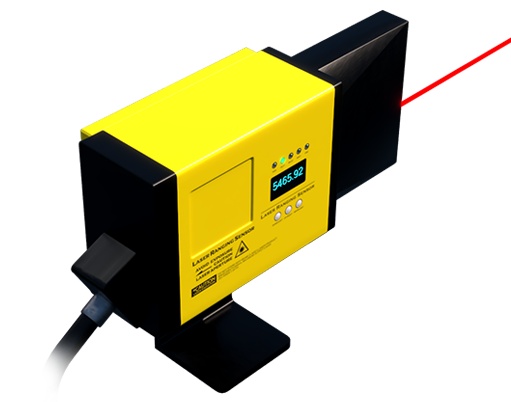
Installation and calibration are critical steps. Sensors must be positioned to avoid interference from ambient light, vibrations, or surface reflectivity issues—common with metallic pipes. Using fixtures or robotic arms, sensors can scan along the pipe's length or rotate around it for full coverage. In harsh environments, such as foundries or outdoor sites, sensors with IP67 or higher ratings protect against dust, moisture, and temperature extremes. Regular maintenance, including lens cleaning and calibration checks, ensures long-term accuracy.
Case studies highlight the efficacy of laser displacement sensors. A steel mill implemented a sensor array to monitor hot-rolled pipes exiting a furnace, reducing scrap rates by 15% through immediate feedback on diameter consistency. Another application in plastic pipe manufacturing involved detecting micro-imperfections that could lead to leaks, enhancing product reliability. As Industry 4.0 advances, these sensors are increasingly part of IoT networks, enabling predictive maintenance and data-driven optimization.
In conclusion, laser displacement sensors represent a transformative technology for cylindrical pipe measurement. Their precision, speed, and adaptability make them indispensable across sectors from construction to medical device manufacturing. By enabling non-destructive, real-time inspection, they not only improve quality assurance but also drive efficiency and innovation in industrial processes. Future developments may include enhanced AI integration for anomaly detection and miniaturized sensors for confined spaces, further expanding their utility.