In the realm of industrial automation and control systems, proximity sensors are indispensable components for non-contact object detection. A fundamental aspect of their functionality, crucial for correct circuit design and system logic, is their output operation mode. This is primarily categorized into two types: Normally Open (NO) and Normally Closed (NC). Grasping the distinction between these modes is essential for any engineer or technician involved in designing, installing, or troubleshooting automated systems.
At its core, the terms "Normally Open" (NO) and "Normally Closed" (NC) describe the electrical state of the sensor's output switch when no target is within its sensing range—the "normal" or de-energized state. This terminology is borrowed from relay and switch contacts and applies similarly to the solid-state outputs of modern proximity sensors.
A Normally Open (NO) Proximity Sensor operates on a make-contact principle. In its normal state (no target present), the output circuit is open, meaning no current flows through the output terminals. When a valid target enters the sensor's detection field, the internal switch closes, completing the circuit and allowing current to flow. This action typically signals a "target present" condition to the connected controller, such as a Programmable Logic Controller (PLC). NO sensors are often used in applications where an action should be initiated upon detection. For example, an NO sensor might trigger a counter when an object passes by, start a conveyor motor, or activate a pneumatic cylinder.
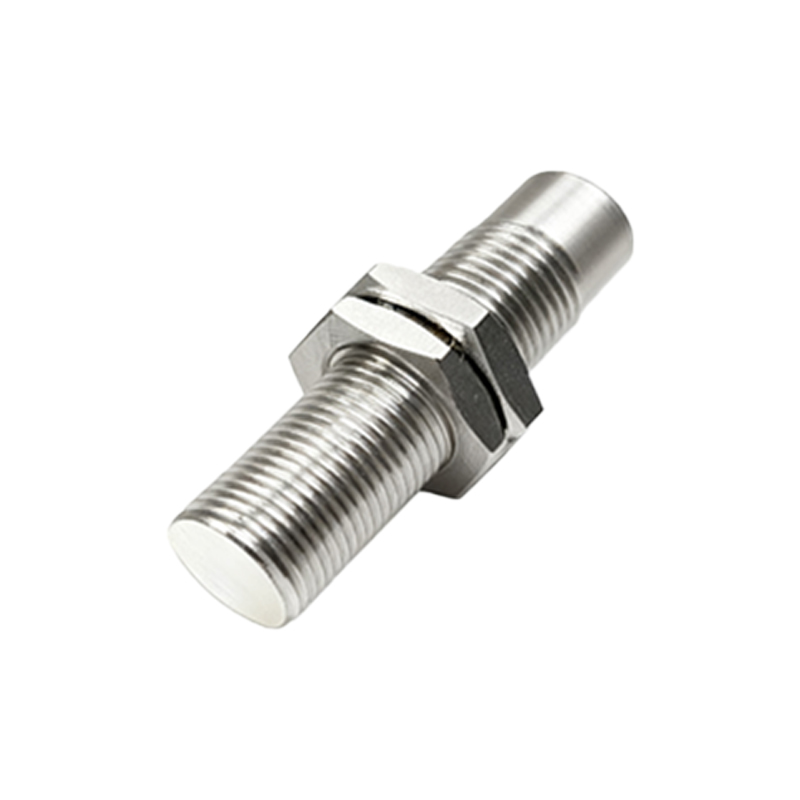
Conversely, a Normally Closed (NC) Proximity Sensor functions on a break-contact principle. In its normal state (no target present), the output circuit is closed, allowing current to flow continuously. When a target enters the sensing range, the internal switch opens, breaking the circuit and stopping the current flow. This interruption signals the detection event. NC configurations are frequently employed in safety-critical or monitoring applications where a break in the circuit indicates a fault or requires an immediate response. A classic use is in safety interlocks on machine guards; if the guard door is opened, the target moves away from the NC sensor, the circuit opens, and the machine is forced into a safe stop condition. They are also useful for detecting the absence of a material in a hopper or the breakage of a web in a production line.
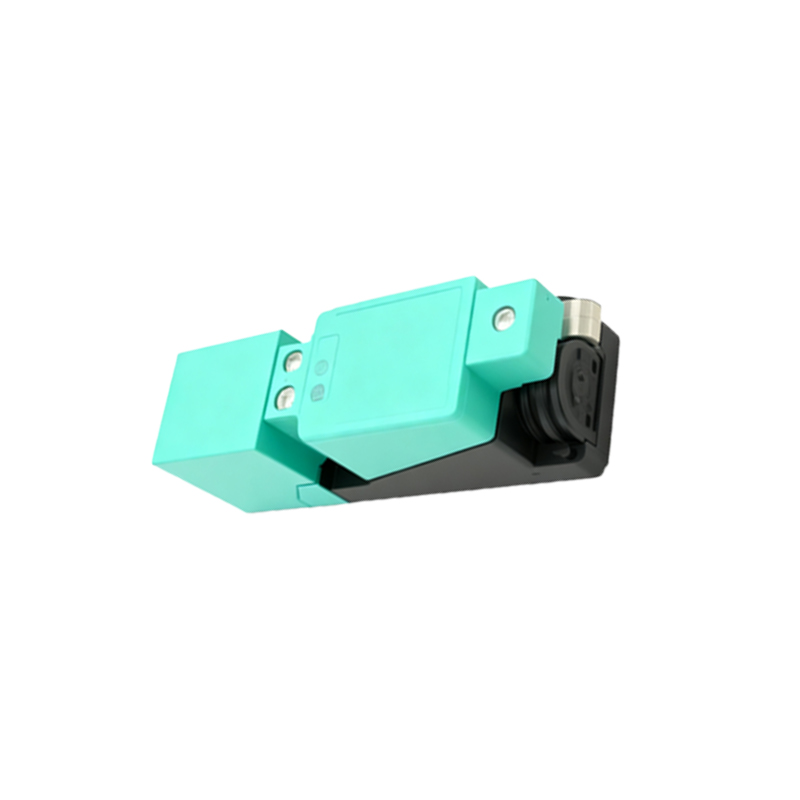
The choice between NO and NC is not merely arbitrary but is dictated by system logic, safety requirements, and fail-safe design principles. A key concept here is fail-safe operation. Designers often select the mode that ensures the system defaults to a safe state in the event of a failure, such as wire breakage, sensor power loss, or physical damage. For an application requiring a machine to stop if a sensor fails, an NC configuration might be preferable. If the sensor's wiring is severed, the circuit opens, mimicking the "target detected" state and triggering the stop command—a fail-safe design. With an NO sensor, a wire break would be read as "no target," potentially allowing a dangerous machine to continue running.
From an electrical wiring perspective, the difference is straightforward but must be correctly integrated into the control logic. When connecting to a PLC digital input module, an NO sensor will show 0V (or FALSE logic) when inactive and switch to 24V (or TRUE logic) when active. An NC sensor does the opposite: it provides a TRUE signal when idle and switches to FALSE upon detection. Programmers must account for this inversion in the ladder logic or structured text to ensure the program interprets the physical event correctly. Misinterpreting these states is a common source of commissioning errors.
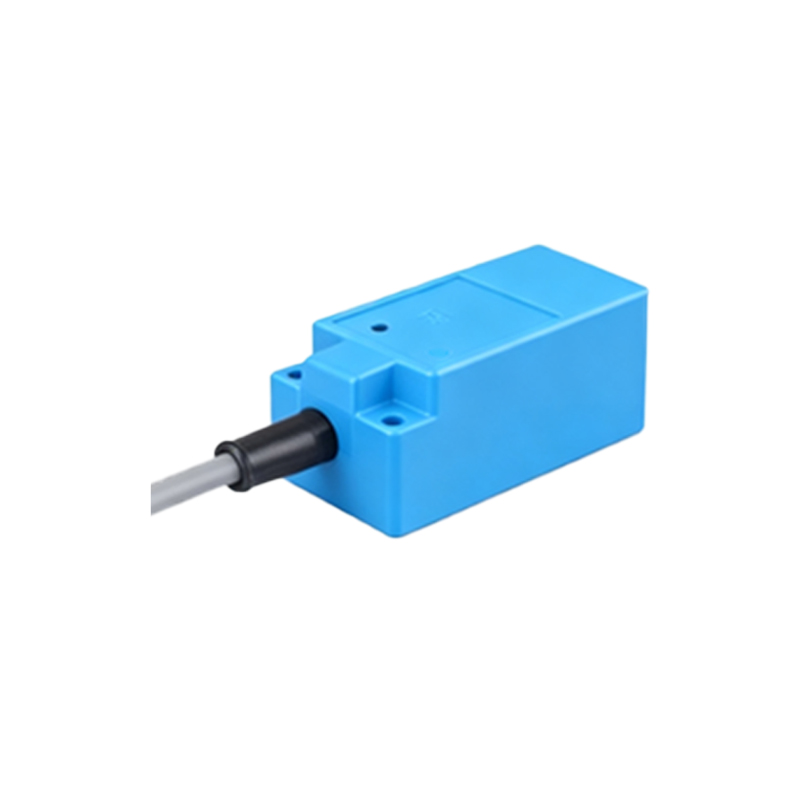
Many modern proximity sensors offer a selectable or programmable output, allowing the user to configure the same physical device as either NO or NC via a switch, push-button, or software parameter. This flexibility simplifies inventory management and allows for last-minute design changes without hardware replacement. However, it remains paramount to verify and document the configured state during installation.
In summary, the operation mode of a proximity sensor—NO or NC—defines its resting electrical state and its behavior upon target detection. NO sensors close the circuit on detection, while NC sensors open it. The selection critically impacts control logic, system safety, and fail-safe characteristics. A deep understanding of these modes, coupled with careful consideration of the application's functional and safety needs, enables engineers to design robust, reliable, and safe automated systems. Always refer to the specific sensor's datasheet for its electrical characteristics and configuration options to ensure proper implementation.