Line laser sensors have become indispensable tools in modern industrial automation, offering high-precision, non-contact measurement for tasks ranging from profile inspection to dimensional gauging. At the heart of their functionality lies the sensor interface—the critical bridge that facilitates communication between the sensor and the broader control system. This article delves into the common interface types, their characteristics, and best practices for integration.
The primary interface protocols for line laser sensors can be broadly categorized into digital and analog types. Digital interfaces, such as Ethernet-based protocols (EtherNet/IP, PROFINET, EtherCAT) and serial communication (RS-232, RS-485), dominate contemporary systems due to their speed, noise immunity, and ability to transmit rich data packets. For instance, GigE Vision, a standard based on Gigabit Ethernet, is widely adopted for high-speed image and profile data transmission, enabling real-time processing with minimal latency. Serial interfaces, while slower, remain relevant for simpler applications or legacy systems, offering straightforward wiring and reliable point-to-point communication.
Analog interfaces, typically voltage (0-10V) or current (4-20mA) outputs, represent an older but still utilized method. They transmit measurement data as a continuous signal proportional to the detected position or height. While analog interfaces are simple to implement and cost-effective for single-point measurements, they are susceptible to electrical noise and offer limited data resolution compared to digital alternatives. This makes them less suitable for complex profiling tasks requiring high accuracy or multi-point data.
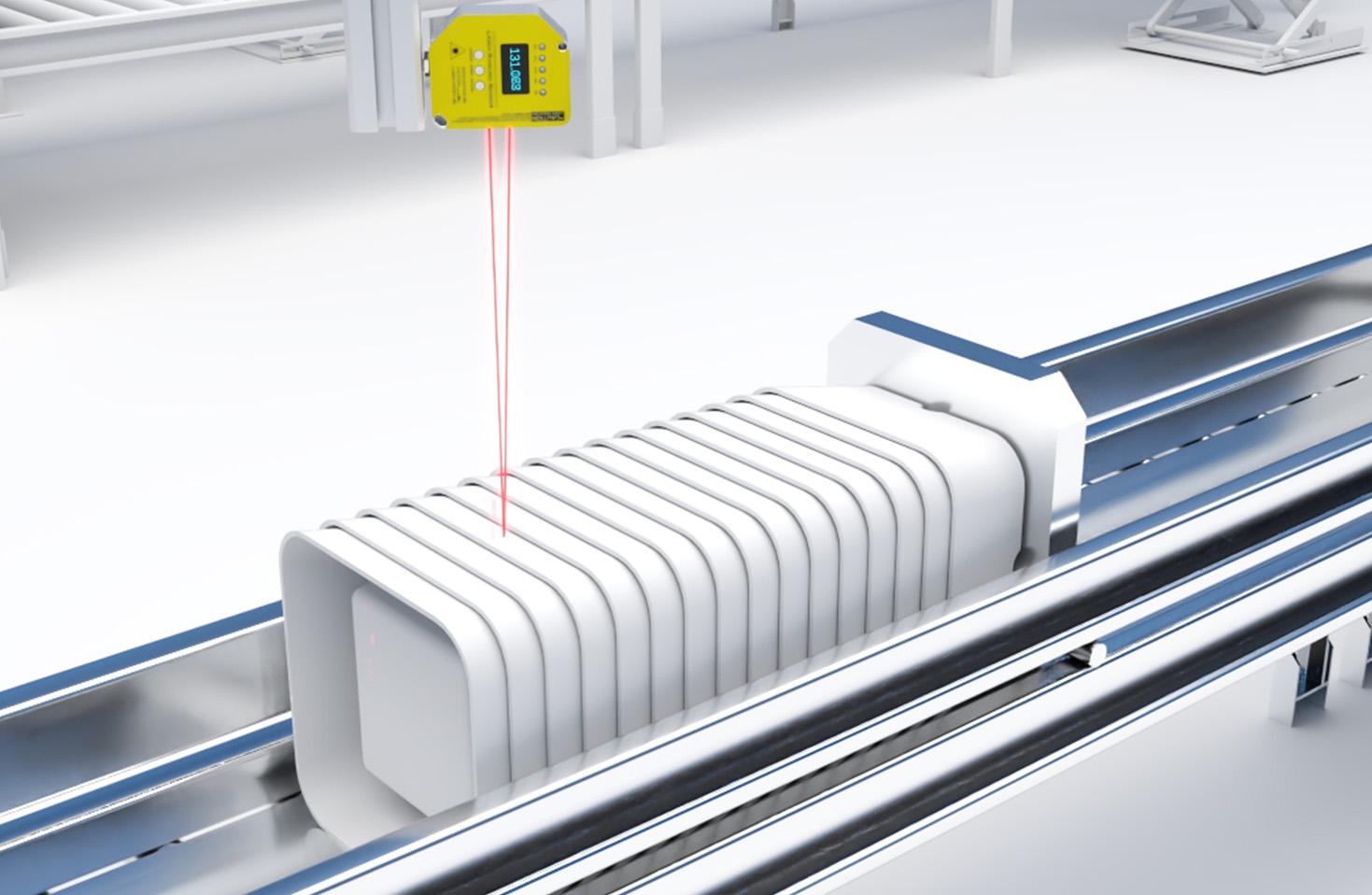
Selecting the appropriate interface depends heavily on application requirements. Key factors include measurement speed, data volume, environmental conditions, and system architecture. For high-speed inspection lines, such as in automotive or electronics manufacturing, digital interfaces like EtherCAT provide deterministic, low-latency communication essential for synchronizing multiple sensors. In harsh industrial environments with significant electromagnetic interference, protocols with robust shielding and error-checking, such as PROFINET, are preferred to ensure data integrity.
Integration best practices emphasize proper configuration and network design. When using digital interfaces, ensure the host system (e.g., PLC, IPC) supports the chosen protocol and has sufficient bandwidth. Utilize shielded cables and follow manufacturer guidelines for grounding to minimize noise. For analog interfaces, implement signal conditioning and filtering to reduce interference. Additionally, many modern sensors offer software development kits (SDKs) or application programming interfaces (APIs) that simplify data acquisition and processing, allowing engineers to focus on application logic rather than low-level communication details.
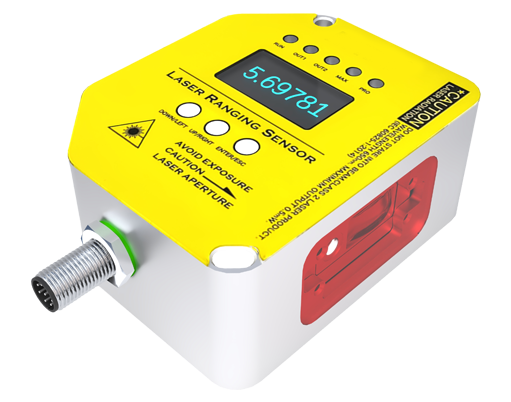
Emerging trends are shaping the future of line laser sensor interfaces. The integration of Industrial Internet of Things (IIoT) capabilities enables sensors to transmit data directly to cloud platforms via OPC UA or MQTT, facilitating predictive maintenance and data analytics. Furthermore, the adoption of USB3 Vision and CoaXPress interfaces is rising for applications demanding ultra-high data rates, such as detailed surface defect detection. As Industry 4.0 advances, interoperability through standardized protocols will become increasingly vital, allowing seamless connectivity across diverse devices and systems.
In conclusion, the interface of a line laser sensor is a pivotal component that determines its performance and integration ease. By understanding the strengths and limitations of various protocols—from traditional analog outputs to high-speed digital networks—engineers can make informed decisions to optimize their automation systems. As technology evolves, staying abreast of interface developments will ensure continued efficiency and precision in industrial measurement applications.
