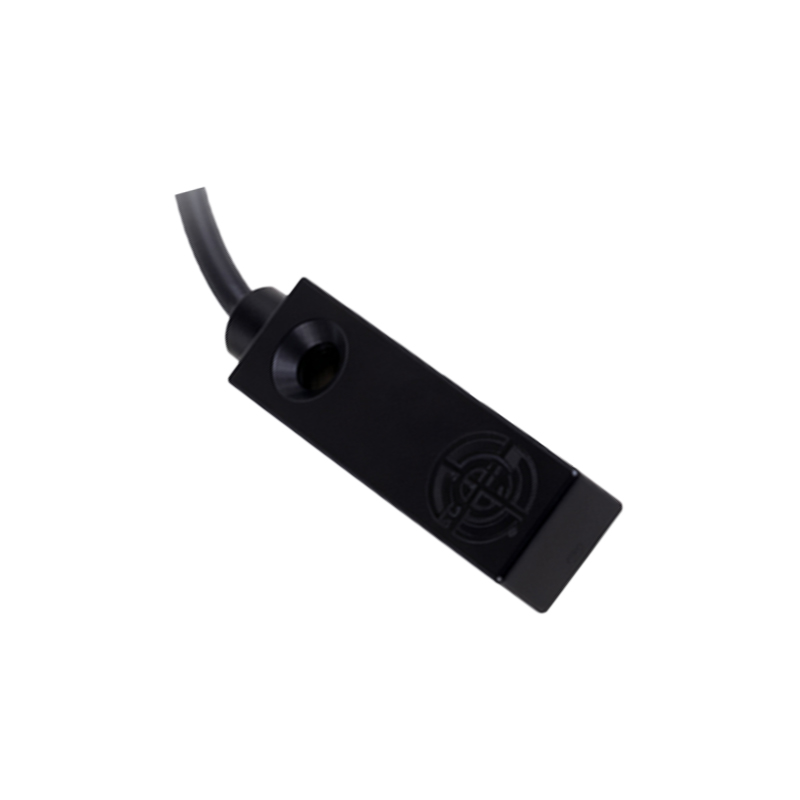
Infrared (IR) proximity sensors are pivotal components in modern automation, robotics, and consumer electronics. These devices operate by emitting an infrared light beam and detecting its reflection from nearby objects. Unlike ultrasonic sensors, IR sensors rely on light waves, making them highly responsive and suitable for precise short-range detection. The core mechanism involves an IR LED emitter and a photodiode or phototransistor receiver. When an object enters the sensing range, the reflected IR light alters the receiver's output, triggering a signal. Key parameters include sensing distance (typically from a few centimeters to several meters), response time, and environmental immunity.
One of the primary advantages of IR proximity sensors is their immunity to acoustic noise and ability to detect non-metallic objects, which ultrasonic or inductive sensors may struggle with. However, they face challenges such as interference from ambient light (e.g., sunlight or artificial lighting) and variations in object surface reflectivity. To mitigate these issues, advanced models incorporate modulated IR signals with specific frequencies, allowing the sensor to distinguish between emitted light and environmental noise. This modulation technique enhances reliability in diverse conditions, from industrial floors to outdoor settings.
In industrial automation, IR proximity sensors are deployed for object detection on conveyor belts, part positioning in assembly lines, and safety systems to prevent machinery collisions. Their compact size and low power consumption make them ideal for battery-operated devices like smartphones (for screen auto-off during calls) and robotics for obstacle avoidance. Automotive applications include parking assistance systems and occupancy detection for airbag deployment. Additionally, in consumer electronics, these sensors enable touchless interfaces in faucets, soap dispensers, and interactive displays, promoting hygiene and energy efficiency.
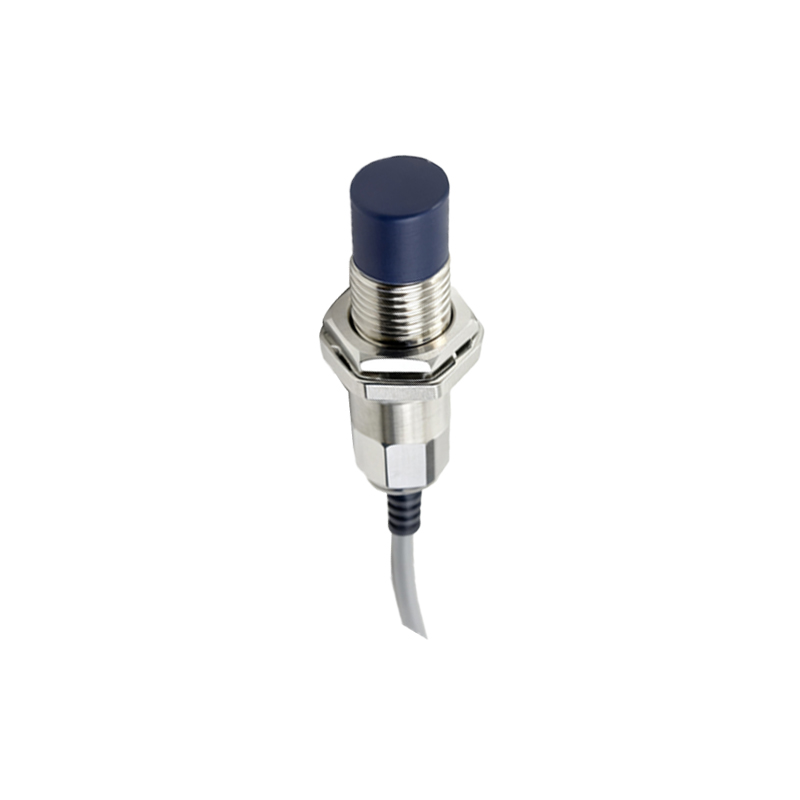
Selecting the right IR proximity sensor requires evaluating several factors. First, consider the sensing range and required accuracy. For close-range applications (e.g., paper detection in printers), a diffuse reflective sensor with a narrow beam is suitable. For longer distances, sensors with focused lenses or higher output power are necessary. Second, assess the operating environment: in dusty or humid areas, sensors with IP67 or higher ratings ensure durability. Third, output type matters—digital outputs (e.g., NPN/PNP) simplify integration with controllers, while analog outputs provide continuous distance data for precision control. Lastly, consider power supply compatibility (e.g., 5V DC for embedded systems vs. 24V DC for industrial setups).
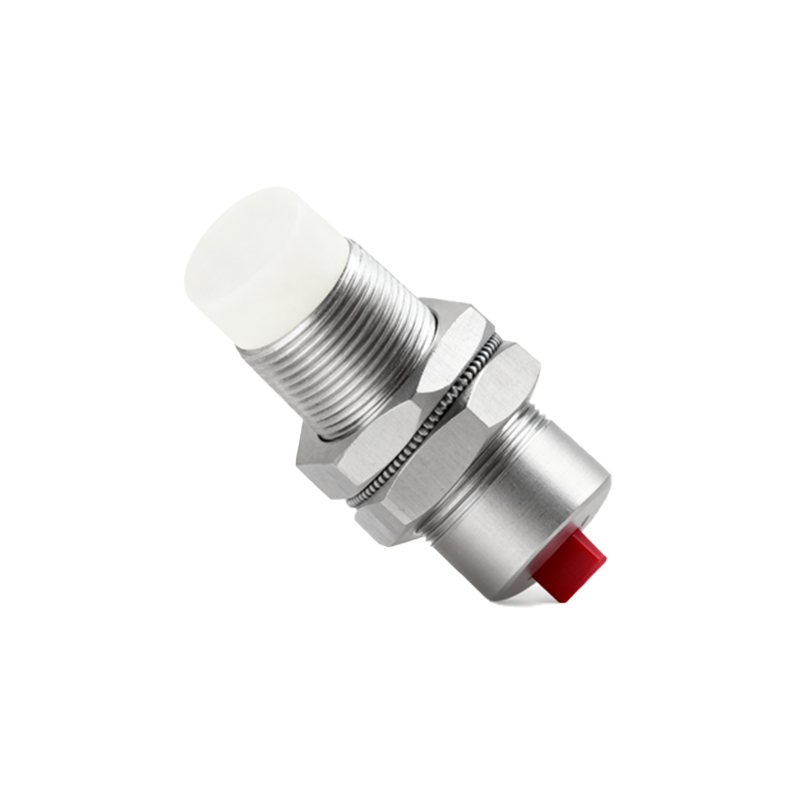
Recent advancements have expanded IR sensor capabilities. Time-of-Flight (ToF) sensors, for instance, measure the round-trip time of IR pulses to calculate distance with millimeter-level accuracy, enabling 3D mapping in robotics. Integration with IoT platforms allows real-time monitoring and predictive maintenance, reducing downtime in smart factories. As industries embrace Industry 4.0, IR proximity sensors continue to evolve, offering enhanced sensitivity, lower costs, and miniaturization for next-generation applications like wearable tech and autonomous drones.
In summary, IR proximity sensors are versatile tools that bridge the gap between physical objects and electronic systems. By understanding their principles, applications, and selection criteria, engineers can optimize performance across diverse fields, from manufacturing to daily life innovations.