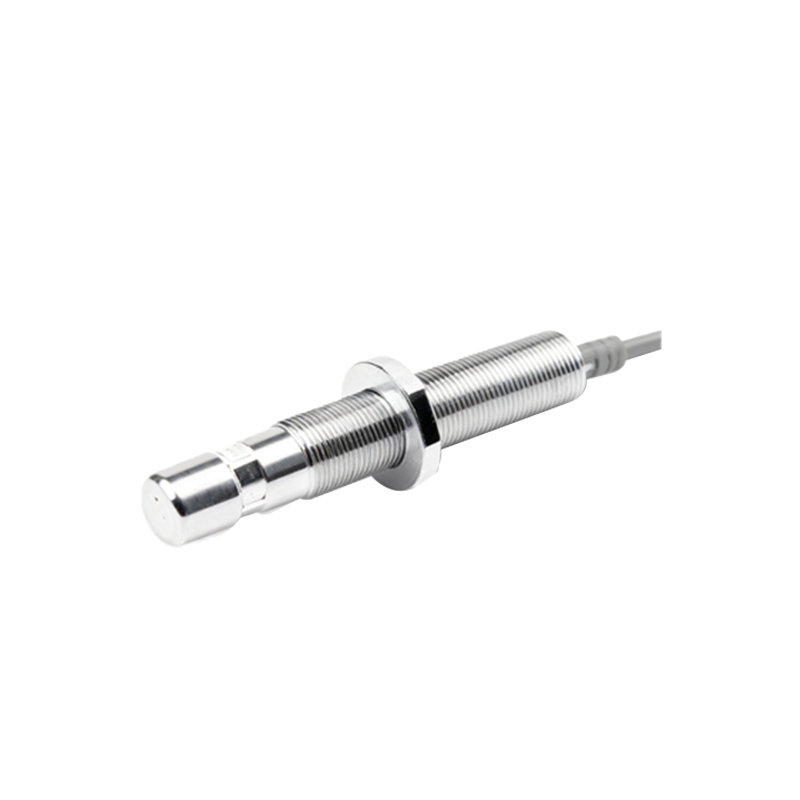
Inductive proximity sensors are fundamental components in modern industrial automation, renowned for their reliability in detecting metallic objects without physical contact. Operating on the principle of electromagnetic induction, these sensors generate an oscillating electromagnetic field from a coil wound around a ferrite core. When a conductive metal target enters this field, eddy currents are induced on the target's surface. This causes a change in the oscillation amplitude or frequency within the sensor's circuit, which is then processed by the internal electronics to trigger a solid-state output signal. This non-contact detection method eliminates mechanical wear, ensuring long operational life and high repeatability.
A key advantage of inductive sensors is their robustness. Housed typically in metal or high-grade plastic bodies, they are designed to withstand harsh industrial environments, including exposure to dust, oil, coolant, and vibration. They are inherently immune to non-metallic materials like plastic, wood, or liquids, making their detection highly selective for metals. However, the sensing distance and performance are influenced by the target material's properties. Ferrous metals (like iron and steel) can be detected at the sensor's nominal sensing range, while non-ferrous metals (such as aluminum, copper, or brass) typically reduce the effective sensing distance, a factor known as the reduction factor. Engineers must account for this during system design.
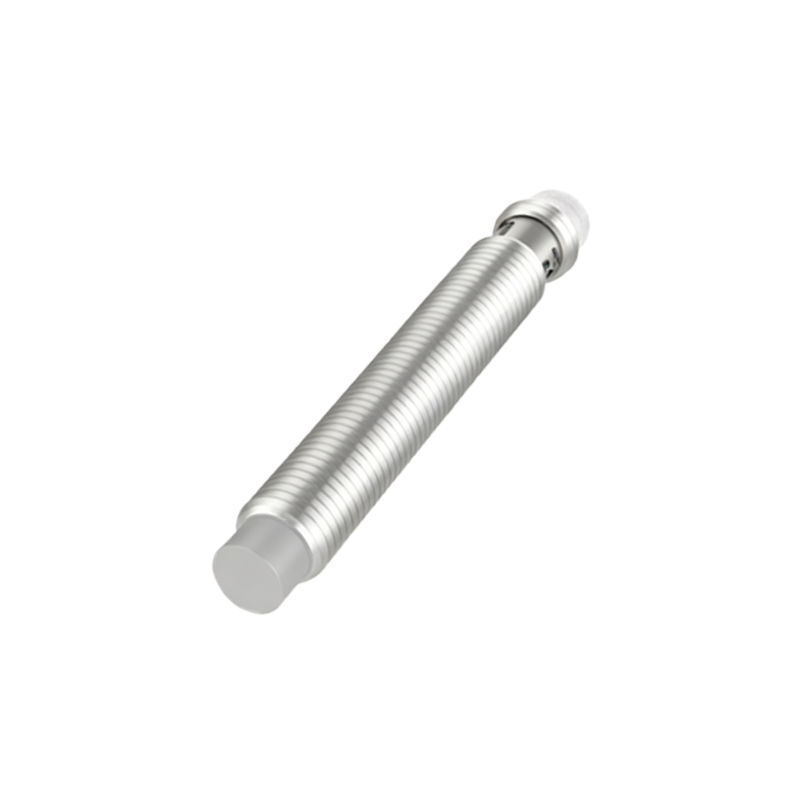
The applications of inductive proximity sensors are vast and critical. They are extensively used for position sensing, such as verifying the presence of a metal part on a conveyor, detecting the end-of-travel of a cylinder, or counting metallic objects. In machine tools, they serve as limit switches to prevent over-travel. They are integral to automated assembly lines for part verification and robotic systems for precise positioning. Their fast response time, often in the microsecond range, makes them suitable for high-speed counting and sorting operations.
Selecting the right inductive sensor requires careful consideration of several parameters. First, the sensing distance, or nominal range, must be chosen based on the application's mechanical constraints, typically ranging from a few millimeters to several tens of millimeters. It is standard practice to use only 60-80% of the nominal range to ensure reliability and compensate for environmental variations. Second, the housing style is crucial: cylindrical threaded barrels (e.g., M8, M12, M18, M30) are common for easy mounting, while rectangular or block-style housings offer alternative form factors. The output configuration—whether NPN (sinking) or PNP (sourcing), normally open (NO) or normally closed (NC)—must be compatible with the control system's PLC input module. Other vital specifications include the operating voltage (commonly 10-30V DC), output current, switching frequency, and environmental ratings like IP67 or IP69K for protection against water and dust ingress.
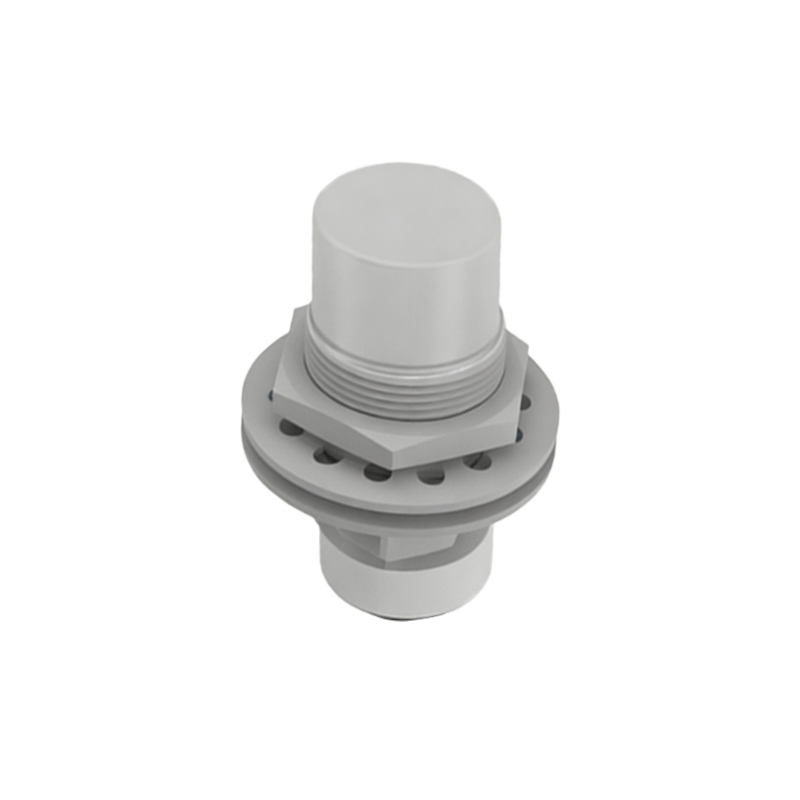
Installation and wiring also demand attention. Sensors should be mounted securely to minimize vibration effects. A minimum clearance must be maintained between adjacent sensors to prevent mutual interference of their electromagnetic fields. For flush-mounted cylindrical sensors, the sensing range is reduced, but they can be installed flush with a metal mounting surface without triggering it. Non-flush models offer longer ranges but require a free space around the sensing face. Proper shielding of cables is recommended in electrically noisy environments to prevent false triggering.
In summary, inductive proximity sensors are indispensable for robust, non-contact metal detection in automation. Their design, based on electromagnetic principles, offers a perfect blend of durability, speed, and precision. Successful implementation hinges on a thorough understanding of their operating characteristics, careful selection based on application needs, and correct installation practices. As Industry 4.0 advances, these sensors continue to evolve with features like IO-Link communication for diagnostics and parameter setting, further solidifying their role as a cornerstone of industrial sensing technology.