In modern industrial automation, the demand for high-precision detection and measurement has led to the widespread adoption of advanced sensing technologies. Among these, serrated edge detection laser sensors have emerged as a critical tool for ensuring quality control, safety, and efficiency in various manufacturing and processing environments. These sensors utilize laser-based principles to accurately identify and analyze serrated or irregular edges on materials such as metals, plastics, textiles, and packaging components. Unlike conventional optical or mechanical sensors, laser sensors offer non-contact measurement, reducing wear and tear while maintaining consistent performance even in harsh conditions like dust, vibration, or extreme temperatures.
The core working mechanism of a serrated edge detection laser sensor involves emitting a focused laser beam onto the target surface. As the beam interacts with the serrated edge, it reflects back to the sensor's receiver, where variations in light intensity or time-of-flight are analyzed. Advanced models incorporate triangulation or confocal measurement techniques to achieve micron-level accuracy. For instance, in metal fabrication, these sensors can detect minute deviations in sawtooth patterns on cutting blades, enabling real-time adjustments to prevent defects. Similarly, in textile manufacturing, they monitor the integrity of serrated fabric edges during cutting processes, ensuring uniformity and reducing material waste.
Key advantages of using laser sensors for serrated edge detection include their high resolution, fast response times, and adaptability to diverse industrial setups. Many sensors feature programmable logic controllers (PLCs) and digital interfaces, allowing seamless integration with automation systems for tasks like sorting, alignment, or quality inspection. Additionally, their robust design often includes IP67-rated enclosures, making them suitable for use in wet or corrosive environments. However, challenges such as interference from ambient light or reflective surfaces may require careful calibration and shielding.
Applications span across industries, from automotive and aerospace to food processing and electronics. In automotive assembly lines, serrated edge detection laser sensors verify the precision of gear teeth or brake components, enhancing safety standards. In packaging, they ensure that perforated edges on boxes or films are correctly formed, preventing jams in high-speed machinery. Emerging trends include the integration of artificial intelligence (AI) for predictive maintenance and IoT connectivity for remote monitoring, further boosting operational efficiency.
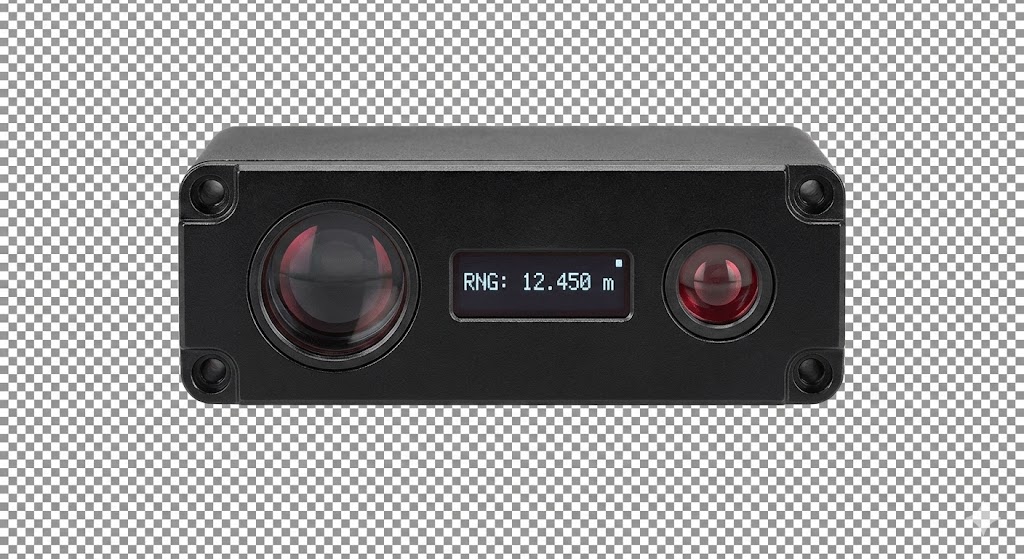
To maximize the benefits of these sensors, engineers should consider factors like measurement range, beam type (e.g., visible red or infrared), and environmental compatibility during selection. Regular maintenance, such as lens cleaning and software updates, is also essential for long-term reliability. As industries continue to embrace smart manufacturing, serrated edge detection laser sensors are poised to play an increasingly vital role in driving precision and innovation. By leveraging their capabilities, businesses can achieve higher productivity, reduced downtime, and improved product quality, ultimately gaining a competitive edge in the global market.
