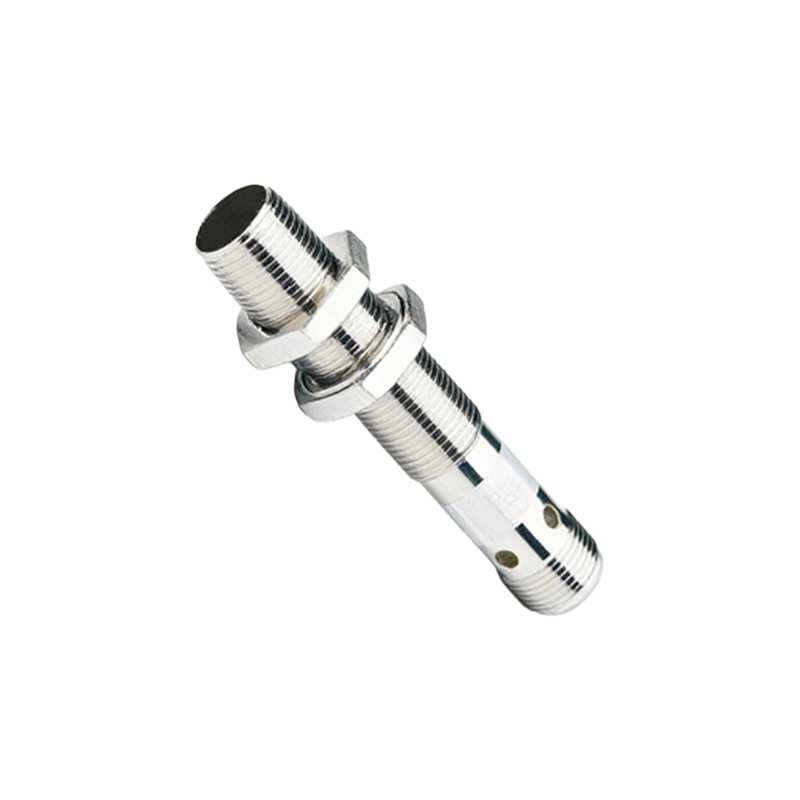
Proximity sensors are indispensable components in modern industrial automation, offering non-contact detection of objects within a defined range. These devices enhance efficiency, safety, and precision in various applications by eliminating physical contact, thereby reducing wear and tear. Understanding the different types of proximity sensor functions is crucial for selecting the right sensor for specific industrial needs. This article explores the primary categories based on their sensing principles, highlighting their unique functionalities and typical use cases.
The most common type is the inductive proximity sensor, which detects metallic objects without physical contact. It operates by generating an electromagnetic field; when a metal object enters this field, it induces eddy currents that alter the sensor's oscillation amplitude, triggering a detection signal. These sensors are highly reliable in harsh environments, resistant to dust, oil, and moisture, making them ideal for manufacturing lines, robotics, and automotive assembly. They typically sense ferrous metals like steel and iron, with some variants capable of detecting non-ferrous metals at shorter ranges.
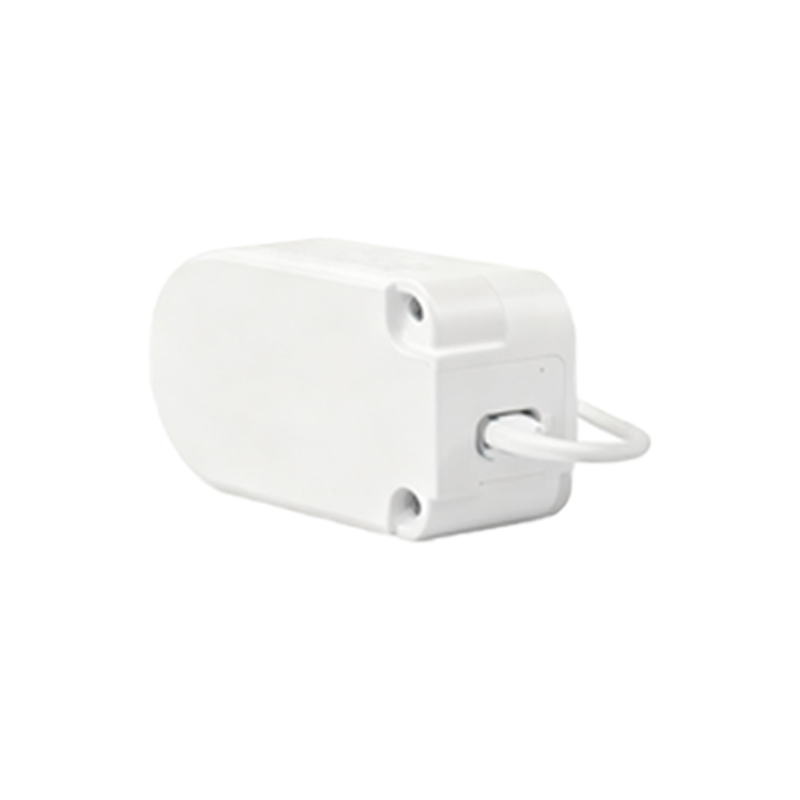
Capacitive proximity sensors function by detecting changes in capacitance caused by the presence of any material, including metals, plastics, liquids, and granular substances. They generate an electrostatic field and monitor its disturbance when an object enters the sensing area. This versatility allows them to be used in level detection for tanks, material handling, and packaging industries. For instance, in food processing, capacitive sensors can identify liquid levels in containers or detect the presence of non-metallic packaging materials, ensuring consistent production flow.
Ultrasonic proximity sensors utilize sound waves beyond human hearing to measure distance or detect objects. They emit high-frequency ultrasonic pulses and calculate the time taken for the echo to return after hitting an object. This principle enables precise measurement even for transparent or irregularly shaped items, such as glass bottles or textured surfaces. Common applications include palletizing systems, conveyor belt monitoring, and collision avoidance in automated guided vehicles (AGVs). Their ability to operate in dusty or foggy conditions makes them suitable for outdoor or challenging industrial settings.
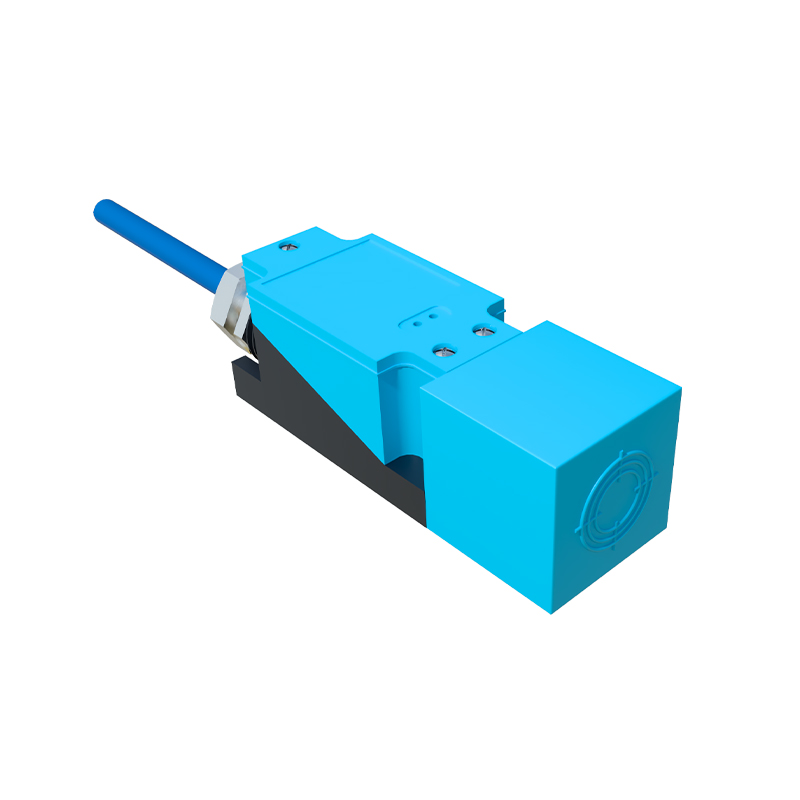
Magnetic proximity sensors rely on the detection of magnetic fields, often using reed switches or Hall effect components. They are specifically designed to sense permanent magnets, making them useful in position sensing for cylinders, valves, and safety door interlocks. In automotive systems, magnetic sensors monitor seat belt engagement or gear position, while in machinery, they ensure precise alignment in repetitive motions. Their simplicity and low power consumption contribute to long-term reliability in applications where only magnetic triggers are involved.
Photoelectric proximity sensors work by emitting a light beam (usually infrared, visible, or laser) and detecting its reflection or interruption. They are categorized into through-beam, retro-reflective, and diffuse-reflective types, each offering distinct advantages. Through-beam sensors provide long-range detection with high accuracy, suitable for conveyor sorting and object counting. Retro-reflective sensors use a reflector to bounce light back, ideal for detecting transparent objects. Diffuse-reflective sensors detect objects directly by reflecting light off their surface, commonly used in packaging and assembly lines for presence verification.
Each type of proximity sensor offers unique benefits tailored to industrial demands. Inductive sensors excel in metal detection, capacitive sensors handle diverse materials, ultrasonic sensors provide accurate distance measurement, magnetic sensors ensure reliable position sensing, and photoelectric sensors offer versatile optical detection. When selecting a sensor, factors such as environmental conditions, target material, required range, and response speed must be considered. By leveraging these functional types, industries can optimize automation processes, improve safety protocols, and enhance operational efficiency, driving innovation in sectors from manufacturing to logistics.