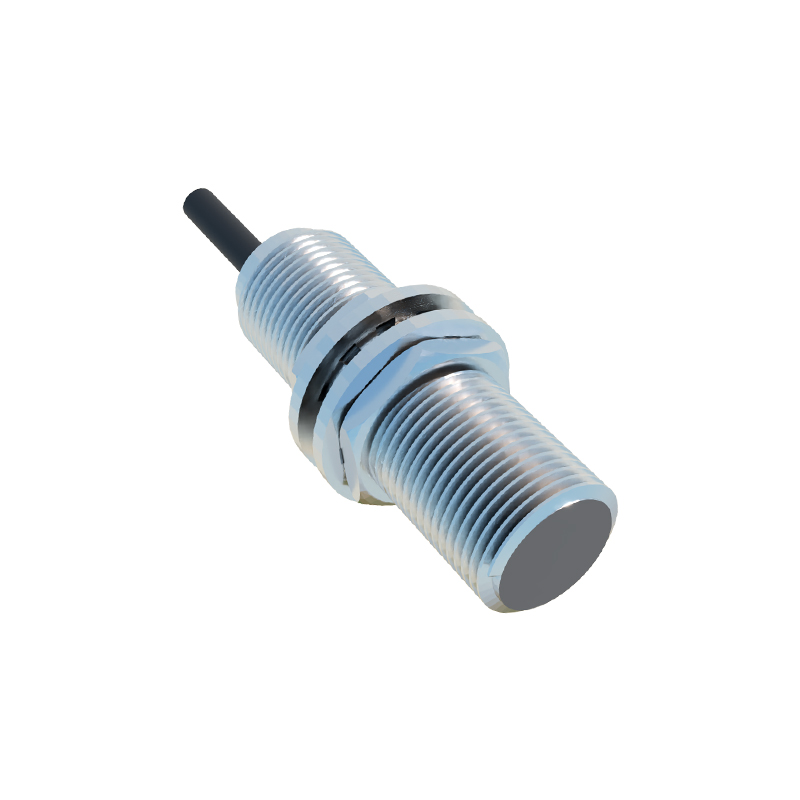
In the realm of industrial automation, Swiss proximity switch sensors stand as a testament to precision, reliability, and innovation. These sensors, manufactured with the meticulous craftsmanship Switzerland is renowned for, play a critical role in countless applications across manufacturing, robotics, packaging, and automotive industries. Unlike mechanical switches, proximity sensors detect the presence or absence of an object without physical contact, using electromagnetic fields, light, or sound. This non-contact operation eliminates wear and tear, ensuring longevity and reducing maintenance costs—a key advantage in high-cycle production environments.
Swiss engineering in this sector is characterized by an unwavering commitment to quality. Materials are selected for durability and performance under extreme conditions, such as wide temperature ranges, high pressure, or exposure to chemicals. The design process often involves rigorous testing and validation, resulting in sensors that offer exceptional accuracy and repeatability. For instance, inductive proximity sensors, commonly used for metal detection, boast switching frequencies that allow for ultra-fast response times, crucial for modern high-speed assembly lines. Capacitive variants, capable of detecting non-metallic materials like plastics, wood, or liquids, expand the versatility of Swiss sensors in diverse settings.
One of the hallmarks of Swiss proximity sensors is their integration capability. With the rise of Industry 4.0 and the Industrial Internet of Things (IIoT), these sensors are increasingly equipped with smart features. They can provide diagnostic data, communicate over industrial networks like IO-Link, and enable predictive maintenance strategies. This connectivity transforms simple detection tasks into valuable data points, optimizing entire production processes. Manufacturers benefit from real-time insights into machine performance, minimizing downtime and enhancing overall equipment effectiveness (OEE).
The applications are vast and varied. In automotive manufacturing, Swiss proximity sensors ensure precise positioning of components during robotic welding or assembly. In pharmaceutical packaging, they verify the correct placement of labels or caps with micron-level accuracy, adhering to strict hygiene and safety standards. Even in harsh environments like steel mills or offshore platforms, specially housed Swiss sensors deliver reliable operation where others might fail.
Choosing the right proximity sensor involves considering factors such as sensing distance, target material, environmental conditions, and output type. Swiss manufacturers typically offer extensive product portfolios with detailed specifications, allowing engineers to select the optimal sensor for each task. Technical support and customization services further underscore the value proposition, ensuring seamless integration into complex systems.
In conclusion, Swiss proximity switch sensors embody a blend of traditional precision engineering and cutting-edge technology. They are not merely components but enablers of efficiency, safety, and innovation in automation. As industries continue to evolve towards smarter, more connected factories, the role of these high-performance sensors will only grow, solidifying Switzerland's position as a leader in advanced industrial sensing solutions. Their reliability and accuracy make them a preferred choice for engineers worldwide who demand the best for their critical applications.