Fiber optic and laser sensors represent a cornerstone of modern measurement technology, enabling precise, reliable, and often remote monitoring across a vast array of industries. Their operation hinges on the fundamental principles of light interaction with physical parameters. At its core, a fiber optic sensor uses an optical fiber—a thin strand of glass or plastic—as the sensing element or as a means to transmit light to and from a remote sensor. Changes in the environment, such as strain, temperature, pressure, or chemical composition, alter the properties of the light traveling through the fiber. These alterations can be in intensity, phase, wavelength, or polarization. By meticulously analyzing these changes, the sensor can deduce the magnitude of the external stimulus with remarkable accuracy.
Laser sensors, while often integrated with fiber optics, utilize the coherent and monochromatic light produced by lasers as their probing tool. The high intensity and precise wavelength of laser light allow for extremely sensitive measurements, such as interferometry, where minute changes in distance are detected by comparing the phase of a laser beam reflected from a target with a reference beam. Laser Doppler vibrometers, for instance, measure velocity and displacement by detecting the frequency shift in light scattered from a vibrating surface. The synergy between laser light sources and fiber optic delivery/collection systems creates powerful hybrid sensors that combine the best of both worlds: the sensitivity of lasers and the versatility and remote capability of fibers.
The applications of these technologies are extraordinarily diverse. In structural health monitoring, networks of fiber Bragg grating (FBG) sensors are embedded in bridges, dams, wind turbine blades, and aircraft wings. These FBGs act as wavelength-specific mirrors written into the fiber core. When the structure experiences strain or temperature changes, the reflected wavelength shifts, providing a detailed map of stress and temperature distribution in real-time, enabling predictive maintenance and preventing catastrophic failures. In the oil and gas industry, distributed temperature sensing (DTS) systems use laser pulses sent down fiber optic cables laid along pipelines or inside wells. By analyzing backscattered light, they can detect leaks, monitor flow, and profile temperature over many kilometers, all from a single control unit.
The medical field benefits immensely from the miniaturization and biocompatibility of optical fibers. Laser-based sensors are pivotal in advanced imaging techniques like Optical Coherence Tomography (OCT), providing high-resolution, cross-sectional images of retinal tissue or coronary arteries. Fiber optic catheters with integrated chemical sensors can perform real-time in vivo blood gas analysis or detect specific biomarkers. In industrial manufacturing, laser triangulation sensors provide non-contact, high-speed measurement of dimensions, thickness, and surface profiles on production lines. Furthermore, in environmental monitoring, fiber optic sensors detect pollutants, measure pH in harsh aquatic environments, and monitor seismic activity due to their immunity to electromagnetic interference—a critical advantage over traditional electronic sensors.
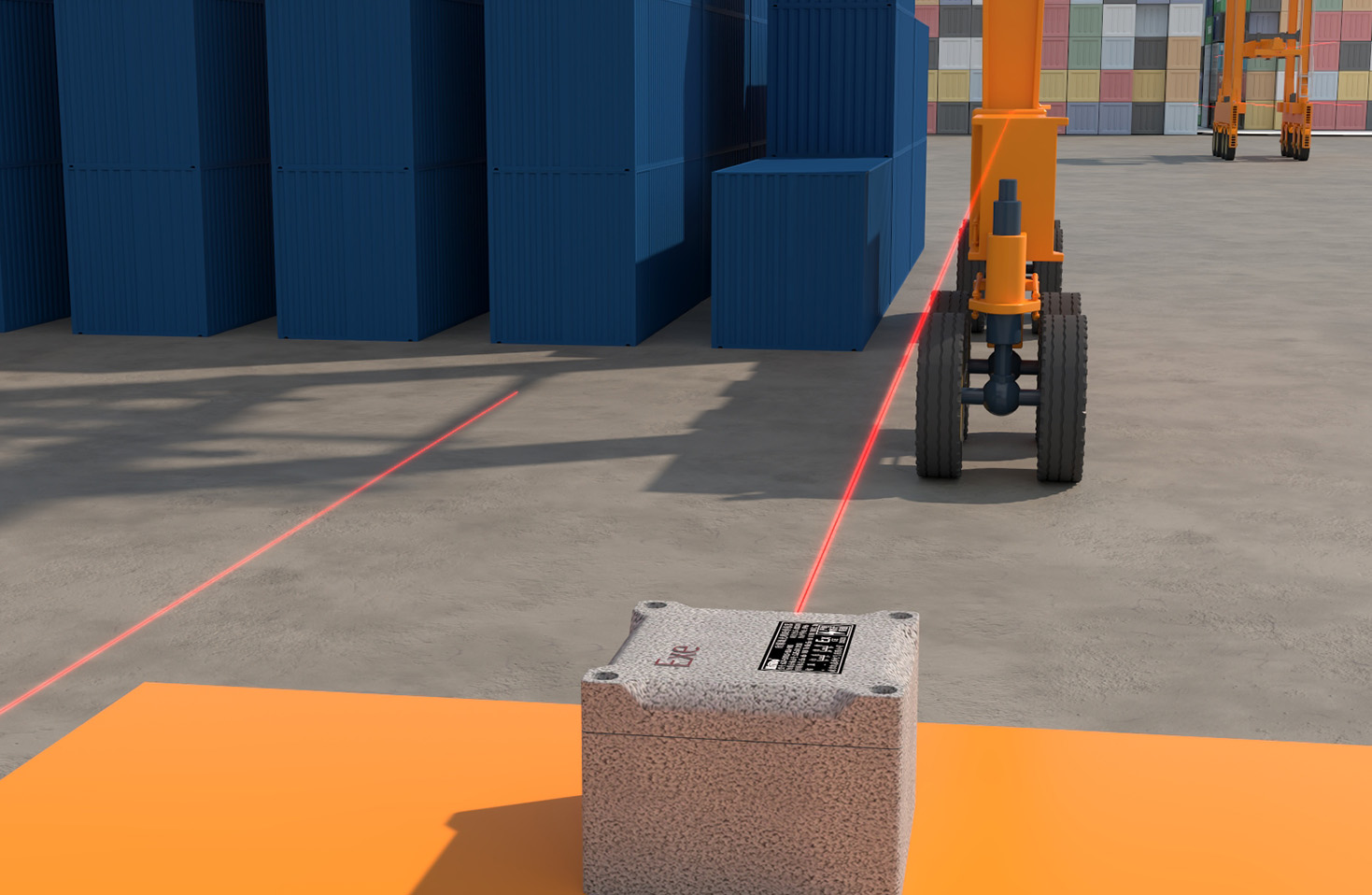
Looking ahead, the future of fiber optic and laser sensing is driven by integration and intelligence. The development of photonic integrated circuits (PICs) will lead to smaller, cheaper, and more robust sensor systems by integrating lasers, detectors, and waveguides onto a single chip. The integration with the Internet of Things (IoT) and wireless networks will facilitate vast, intelligent sensor networks for smart cities and infrastructure. Advances in materials science, such as specialty fibers with enhanced sensitivity to specific chemicals or physical effects, will open new sensing frontiers. Quantum sensing, utilizing the unique properties of quantum light (e.g., squeezed states), promises to push measurement precision beyond classical limits, potentially revolutionizing fields like gravitational wave detection and ultra-precise navigation. As research continues to overcome challenges related to cost and signal processing complexity, the penetration of these light-based sensors into everyday applications is set to deepen, making our built environment more responsive, efficient, and safe.