In the rapidly evolving landscape of industrial automation and smart systems, proximity sensors stand as critical components, enabling non-contact detection and measurement. As a seasoned electrical engineer, I find the classification of these high-tech devices to be a fundamental yet intricate topic. Understanding their distinct operating principles, capabilities, and optimal applications is paramount for designing efficient, reliable, and innovative systems. This guide delves into the primary classifications of modern proximity sensors, moving beyond basic definitions to explore their core technologies and industry-specific implementations.
The most prevalent and widely used category is the Inductive Proximity Sensor. These sensors generate an electromagnetic field and detect the eddy current losses induced in conductive targets, typically metals. Their operation is unaffected by non-metallic substances like dust, oil, or water, making them exceptionally robust for harsh industrial environments such as machine tools, automotive assembly lines, and metal stamping presses. Key sub-classifications include shielded (flush-mountable) and unshielded types, each with distinct sensing field geometries. Recent advancements have led to models with enhanced switching frequencies and extreme temperature tolerances, pushing the boundaries of traditional factory automation.
For applications requiring detection of non-metallic objects, Capacitive Proximity Sensors are the go-to solution. They function by measuring changes in capacitance between the sensor's active face and the target object. Essentially, any material that affects the dielectric constant of the sensing field can be detected—liquids, plastics, wood, glass, and even granular materials. This versatility makes them indispensable in packaging industries, level detection systems for tanks (containing liquids or powders), and material handling of non-conductive products. Modern capacitive sensors offer sophisticated features like sensitivity adjustment to ignore container walls or compensate for material buildup, enhancing their application flexibility.
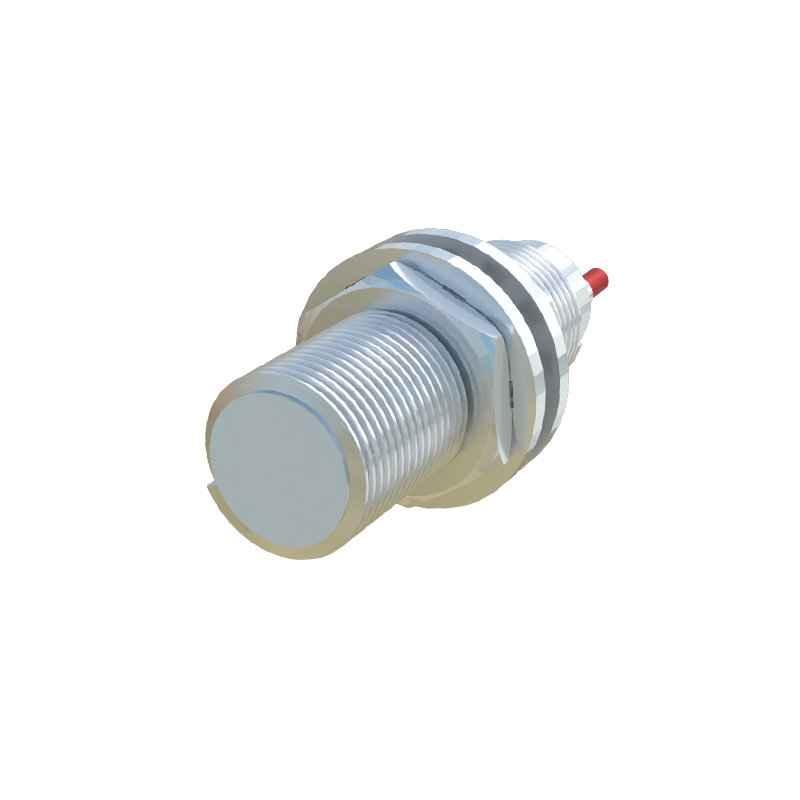
Ultrasonic Proximity Sensors represent a versatile class that uses sound waves beyond the human hearing range. They operate on the time-of-flight principle: emitting an ultrasonic pulse and measuring the time for the echo to return. This allows them to detect objects regardless of color, transparency, or material composition, and they are particularly effective for measuring distance or presence over longer ranges compared to inductive or capacitive types. Common applications include palletizing robots, collision avoidance in automated guided vehicles (AGVs), and precise liquid level sensing in chemical processing. Advanced models now incorporate temperature compensation algorithms to maintain accuracy as the speed of sound varies with ambient conditions.
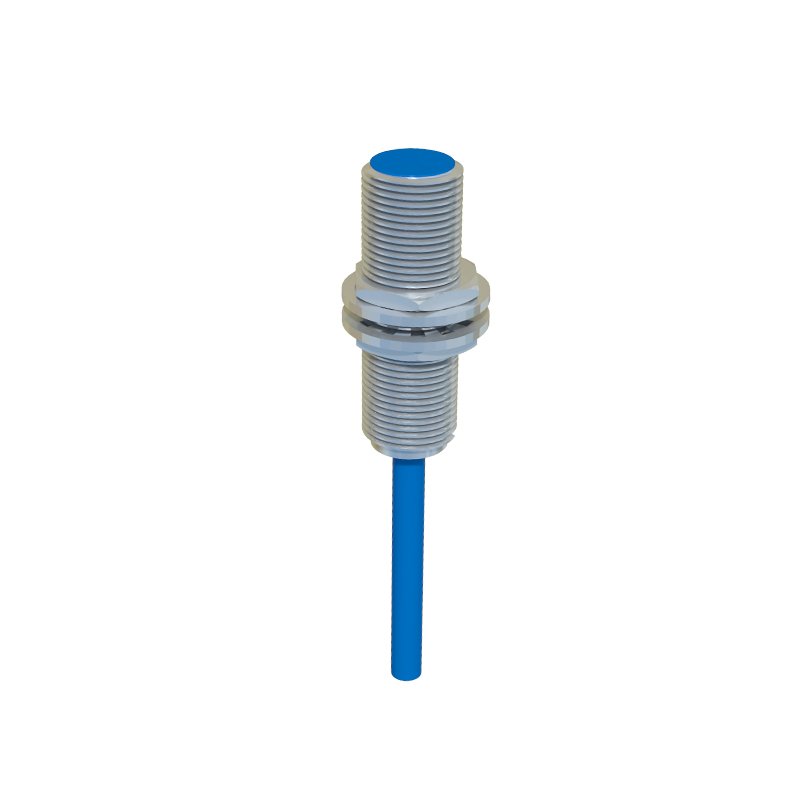
A high-precision category is the Photoelectric Sensor, which utilizes light beams. While often considered separately, in proximity-sensing mode (diffuse or retro-reflective), they are crucial for non-contact detection. They excel in detecting small objects, offer very long sensing ranges, and can identify targets based on color or contrast through specialized versions. Laser-based photoelectric sensors provide exceptional accuracy for positioning tasks in electronics manufacturing and logistics. Their performance can be influenced by environmental factors like ambient light or target surface characteristics, necessitating careful selection.
Finally, Magnetic Proximity Sensors (often Reed switches or Hall-effect sensors) detect the presence of a permanent magnet. They are characterized by their simplicity, low power consumption, and ability to operate in completely sealed environments, making them perfect for safety applications (e.g., door position sensing), hydraulic cylinder position feedback, and low-speed rotational counting in corrosive or wet conditions. Hall-effect sensors, in particular, provide digital or analog output proportional to magnetic field strength, enabling sophisticated speed and position control in brushless DC motors.
The convergence of these technologies with Industrial Internet of Things (IIoT) frameworks is the current frontier. Modern proximity sensors are increasingly equipped with IO-Link communication, enabling parameterization, condition monitoring, and seamless integration into predictive maintenance strategies. Choosing the correct sensor class requires a systematic analysis of the target material, required sensing distance, environmental constraints (temperature, pressure, contaminants), electrical output needs, and response speed. A misapplied sensor, even a high-tech one, leads to system failure. Therefore, a deep understanding of this classification is not merely academic—it is the engineering foundation for building the resilient and intelligent automated systems of today and tomorrow.