Proximity sensors are fundamental components in modern industrial automation, manufacturing lines, and machinery. As non-contact devices, they detect the presence or absence of an object within their sensing field, offering reliability and longevity. However, like any electronic component, they are susceptible to failure. Understanding the common causes of these failures is critical for minimizing downtime and maintaining operational efficiency. This article delves into the primary reasons for proximity sensor malfunction and provides a practical troubleshooting framework.
One of the most prevalent causes of failure is environmental contamination. Proximity sensors often operate in harsh conditions where they are exposed to dust, metal chips, oil, coolant, or other conductive or non-conductive debris. Accumulation on the sensor's active face can attenuate the sensing field, leading to reduced sensing distance, erratic operation, or complete failure. For inductive sensors, metallic dust can create a false "always-on" state. Regular cleaning according to manufacturer specifications is essential. Selecting sensors with appropriate IP (Ingress Protection) ratings for the environment is a proactive measure.
Electrical overload and supply issues constitute another major failure category. Voltage spikes or transients on the supply lines, often from inductive loads like solenoids or motors switching nearby, can damage the sensor's internal circuitry. Incorrect power supply voltage—either too high or too low—can lead to immediate failure or gradual degradation. Ensuring a stable, clean power supply with proper overvoltage protection and correct wiring is paramount. Additionally, excessive load current, especially if the sensor's output is directly driving a heavy load without a relay, can burn out the output transistor.
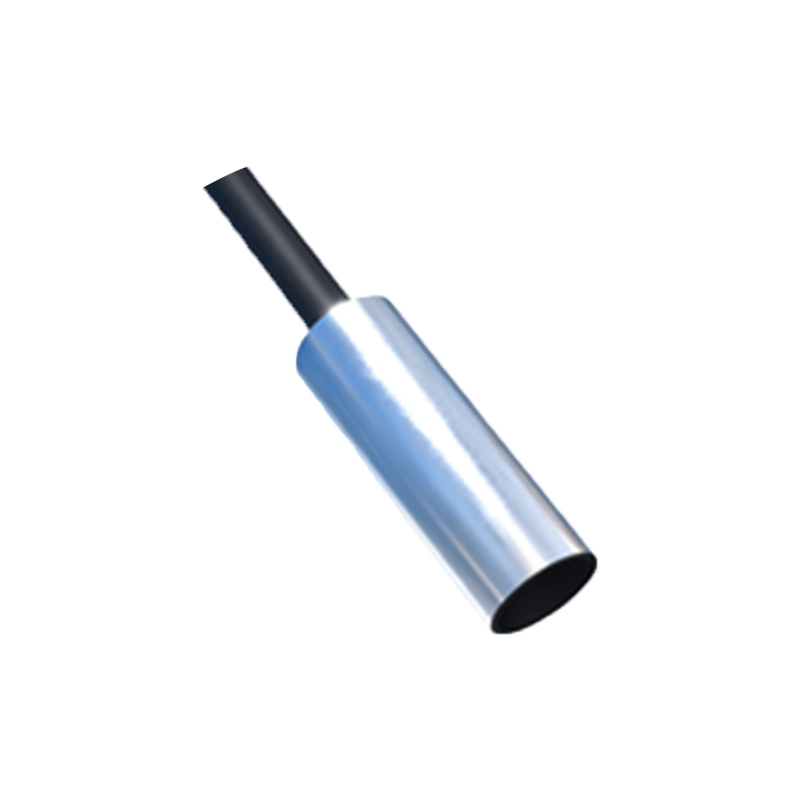
Physical damage, though sometimes obvious, is a frequent culprit. Mechanical impact from misaligned parts, tools, or forklifts can crack the sensor housing or damage the sensing coil. Continuous vibration can loosen internal connections or components. Choosing a sensor with a robust housing material (e.g., stainless steel) and correct mechanical form factor (barrel, rectangular) for the application, along with secure mounting, mitigates this risk. Strain on the cable or connector, often from improper installation or lack of strain relief, can break internal wires.
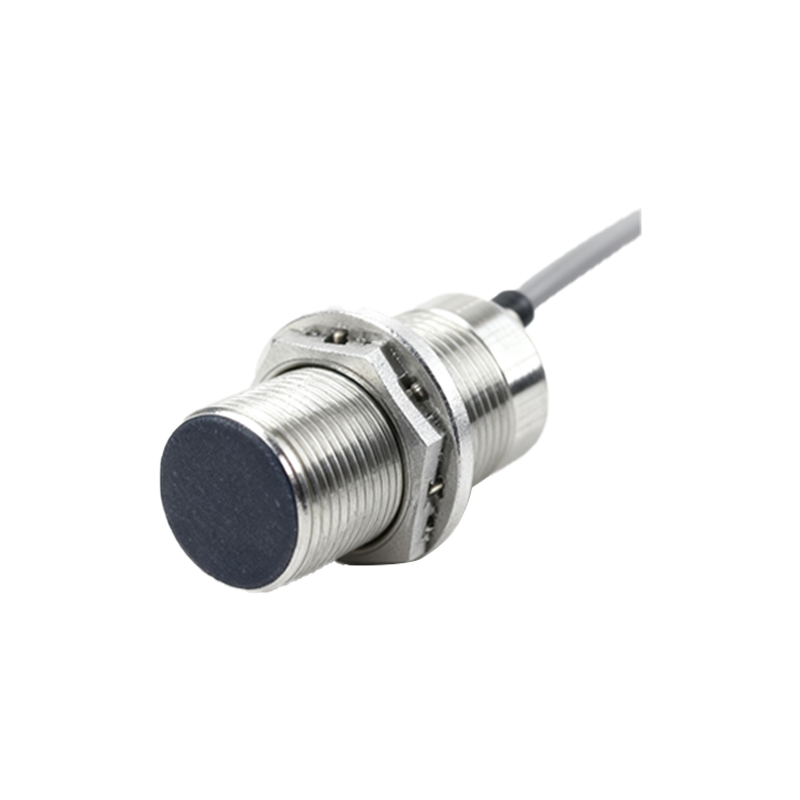
Sensor selection errors are a root cause of perceived failure. Using an inductive sensor to detect a non-metallic object, or selecting a capacitive sensor unsuitable for the specific material, will result in non-operation. Exceeding the specified sensing distance or failing to account for the sensor's reduction factor for different metals (like aluminum or copper) leads to unreliable detection. Always verify the target material, required sensing distance, and environmental conditions before specifying a sensor.
Internal component aging and wear are inevitable over extended periods. While solid-state electronics have long lifespans, components like capacitors can degrade. The oscillator circuit in an inductive sensor may drift over time. Continuous thermal cycling can cause solder joint fatigue. Most sensors have a defined Mean Time Between Failures (MTBF), and planning for preventive replacement in critical applications after a certain service life can prevent unexpected failures.
Finally, interference and incorrect installation are common but avoidable issues. Mounting multiple sensors too close together can cause mutual interference, where one sensor's field activates another. Electrical noise from variable frequency drives (VFDs) or high-current cables running parallel to sensor cables can induce false signals. Proper shielding, separating signal cables from power lines, and maintaining recommended mounting distances between sensors are standard countermeasures. Incorrect wiring—mixing up NPN and PNP outputs, or connecting to an incompatible PLC input—will also prevent proper operation.
Troubleshooting should follow a logical sequence: First, verify power supply voltage and polarity at the sensor. Second, inspect for physical damage and contamination. Third, check the target: ensure it is the correct material, size, and is entering the sensing zone properly. Fourth, examine the load and wiring for shorts, opens, or incorrect configuration. Using a simple diagnostic tool like a multimeter to check output status or an LED indicator (if present) can quickly isolate the problem.
In conclusion, proximity sensor failures typically stem from environmental, electrical, mechanical, or selection-related factors. A disciplined approach to selection, installation, and maintenance, grounded in an understanding of these common causes, dramatically enhances system reliability and sensor service life.