Proximity sensors are pivotal components in modern new energy systems, including electric vehicles (EVs), renewable energy generation, and energy storage solutions. These sensors provide non-contact detection of objects, enabling precise control, safety monitoring, and efficiency optimization. In new energy applications, proximity sensors must meet stringent specifications to withstand harsh environments, ensure reliability, and support high-performance operations. This article outlines key specifications and selection guidelines for proximity sensors tailored to the new energy sector.
Key Specifications for New Energy Proximity Sensors
1. Sensing Range and Accuracy: Proximity sensors in new energy systems often require specific sensing distances, typically ranging from 1 mm to 60 mm, depending on the application. For instance, in EV battery management, sensors detect the position of cooling components or battery modules with high accuracy (e.g., ±0.1 mm tolerance) to prevent overheating. In wind turbines, sensors monitor blade proximity to ensure safe rotation. Accuracy is critical to avoid false triggers and maintain system integrity.
2. Environmental Durability: New energy environments expose sensors to extreme conditions. Key durability factors include:
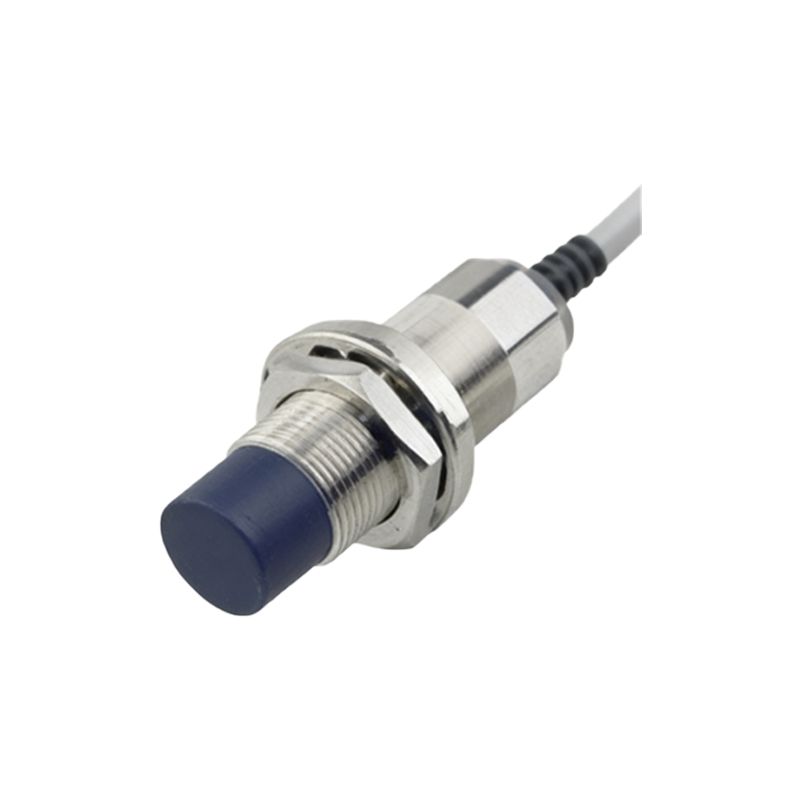
- Temperature Resistance: Sensors must operate reliably in temperatures from -40°C to +125°C, especially in EV powertrains or solar inverters where thermal fluctuations are common.
- Ingress Protection (IP) Rating: A minimum IP67 rating is recommended to resist dust, moisture, and chemical exposure, such as in charging stations or hydropower systems.
- Vibration and Shock Resistance: In automotive or industrial renewable setups, sensors should withstand vibrations up to 20 g and shocks per IEC 60068-2-27 standards to ensure longevity.
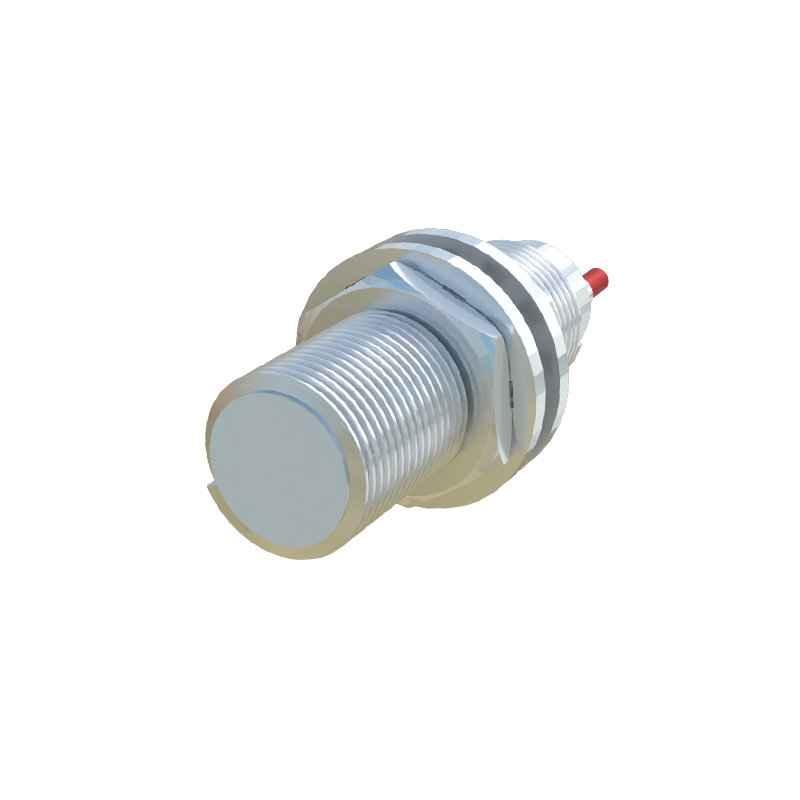
3. Output Type and Signal Integrity: Proximity sensors commonly offer digital (e.g., PNP/NPN) or analog (e.g., 4-20 mA, 0-10 V) outputs. In new energy applications, analog outputs are preferred for continuous monitoring, such as measuring gap distances in EV braking systems. Signal integrity is enhanced with EMI/RFI shielding to prevent interference from high-power electronics like inverters or motor drives.
4. Power Supply and Energy Efficiency: Sensors in new energy systems often run on low-voltage DC supplies (e.g., 12 V or 24 V) to align with battery-based setups. Energy-efficient designs with low quiescent current (below 2 mA) are essential to minimize power drain in off-grid solar or storage systems, supporting sustainability goals.
5. Material and Construction: Housing materials like stainless steel (e.g., 316L grade) or PBT plastic ensure corrosion resistance against electrolytes or salty air in marine energy projects. For EV applications, sensors with non-metallic sensing faces avoid interference with electromagnetic fields from motors.
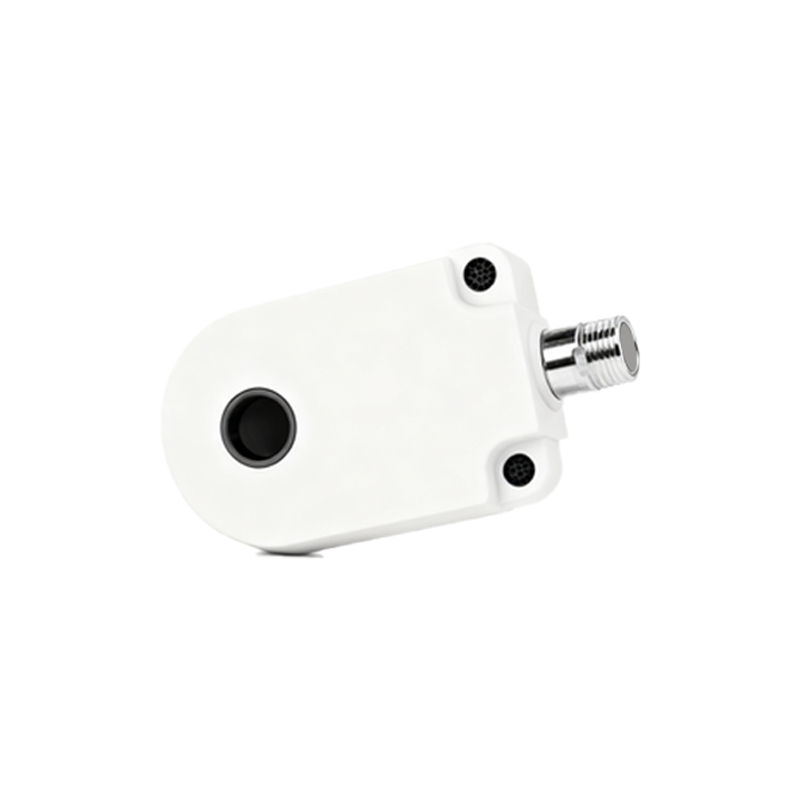
Selection Criteria for Specific New Energy Applications
- Electric Vehicles (EVs): Focus on sensors with fast response times (<1 ms) for real-time detection in regenerative braking or battery disconnect systems. Look for AEC-Q200 compliance for automotive-grade reliability.
- Solar Power Systems: Choose sensors with UV-resistant coatings and wide temperature ranges to endure outdoor exposure in solar trackers or panel alignment mechanisms.
- Energy Storage Units (BESS): Prioritize sensors with high overload protection and isolation capabilities to handle voltage spikes in battery management systems (BMS).
- Wind and Hydro Energy: Opt for robust sensors with IP69K ratings for waterproofing in turbulent or wet conditions, ensuring consistent performance in turbine pitch control or water flow monitoring.
Industry Trends and Future Outlook
The new energy sector is driving innovations in proximity sensor technology. Smart sensors with IoT connectivity (e.g., IO-Link) are emerging for predictive maintenance in renewable plants, transmitting real-time data on wear or misalignment. Miniaturization is also gaining traction, with compact sensors fitting into dense EV assemblies. Additionally, the shift towards solid-state designs enhances durability by eliminating moving parts. As global demand for clean energy grows, proximity sensors will evolve to support higher efficiencies, with specifications increasingly tailored to sustainability standards like ISO 14001.
In summary, selecting the right proximity sensor for new energy applications involves balancing specifications like range, durability, and output type with environmental demands. Engineers should verify compliance with industry certifications (e.g., UL, CE) and conduct field tests to ensure seamless integration. By adhering to these guidelines, stakeholders can enhance system safety, reduce downtime, and contribute to the advancement of green technology.