Metal proximity sensors are indispensable components in modern industrial automation, offering non-contact detection of metallic objects with high reliability and precision. These sensors operate on various principles, each suited to specific applications and environmental conditions. Understanding the different types and their characteristics is crucial for selecting the optimal sensor for a given task.
The most common type is the inductive proximity sensor, which generates an electromagnetic field to detect ferrous and non-ferrous metals. When a metal object enters this field, it induces eddy currents, causing a change in the sensor's oscillation amplitude. This change triggers an output signal. Inductive sensors are highly durable, resistant to dust, moisture, and vibrations, making them ideal for harsh environments like manufacturing lines or robotic systems. They typically have sensing ranges from a few millimeters to about 60 millimeters, with factors such as target material, size, and shape influencing performance. For instance, steel is detected at the nominal range, while aluminum or copper may require reduced distances. Key advantages include fast response times, often in microseconds, and long operational life due to the absence of moving parts. However, they are limited to metal detection and can be affected by extreme temperatures or strong electromagnetic interference.
Another significant category is the capacitive proximity sensor, which can detect both metallic and non-metallic objects by measuring changes in capacitance. These sensors create an electrostatic field and react to the dielectric constant of the target material. For metals, capacitive sensors offer versatility but are generally less precise than inductive types for pure metal detection. They are useful in applications involving material level sensing or presence detection of packaged goods, where non-metallic elements are present. Their sensing range is usually shorter, up to 40 millimeters, and they can be sensitive to environmental factors like humidity or contaminants.
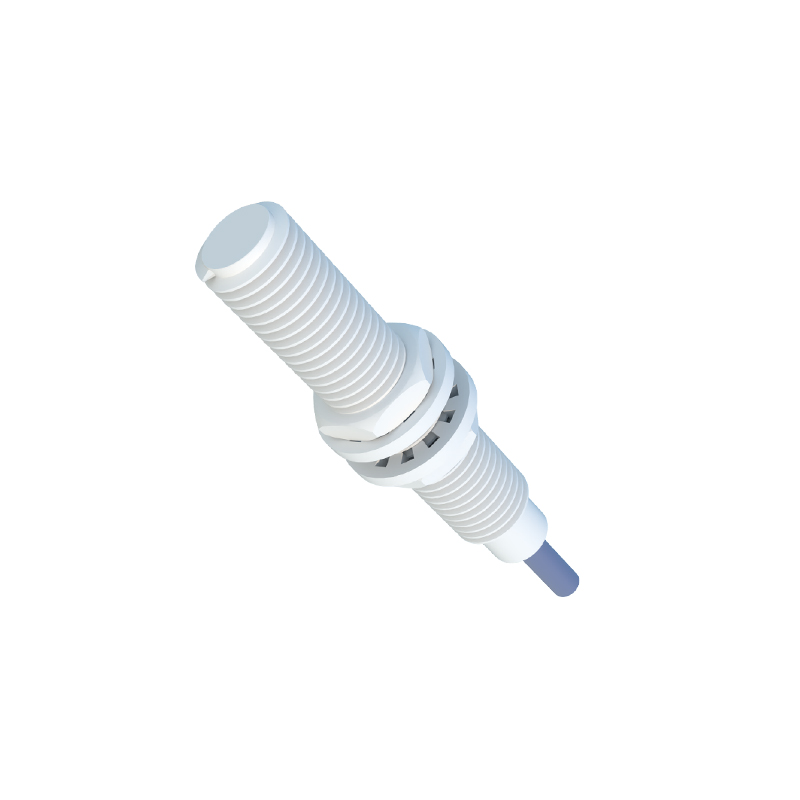
Hall effect sensors represent a specialized type for detecting magnetic fields, often used with permanent magnets or magnetized metals. They generate a voltage proportional to the magnetic field strength, enabling precise position sensing in applications such as speed measurement or valve positioning. These sensors are highly accurate and immune to dust or non-magnetic interference, but they require a magnetic target, limiting their use to specific setups.
Ultrasonic proximity sensors, while not exclusive to metals, are effective for detecting metallic objects at longer ranges, up to several meters. They emit sound waves and measure the time of reflection, providing distance information. This makes them suitable for applications like bulk material handling or large machinery, where non-contact measurement is needed. However, they can be affected by temperature variations, air turbulence, or surface angles.
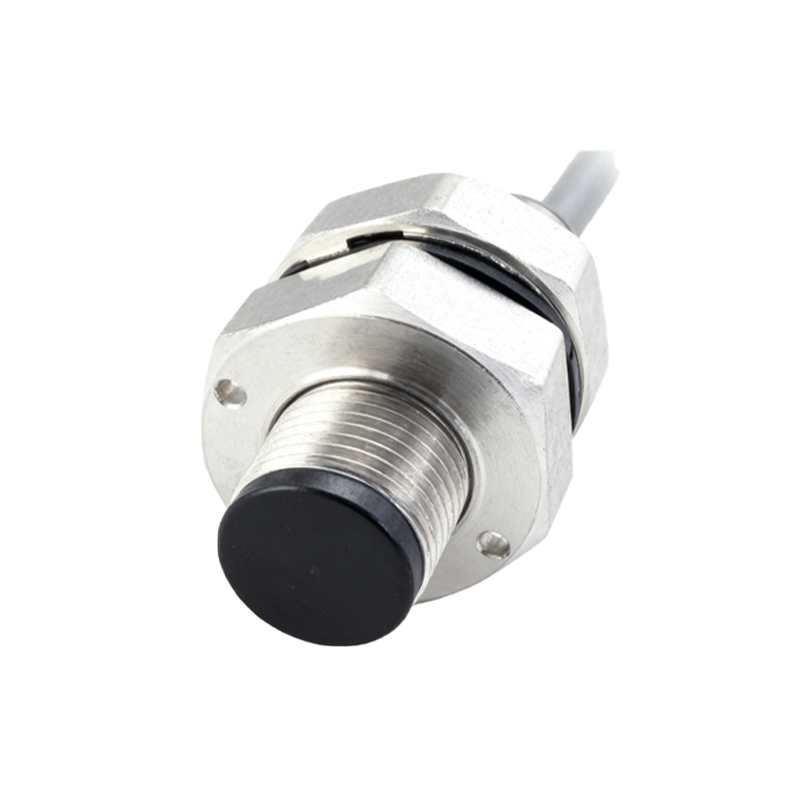
Key characteristics to consider when selecting a metal proximity sensor include sensing distance, response frequency, output type (e.g., NPN, PNP, analog), and environmental ratings like IP67 for water and dust resistance. For example, in high-speed packaging, a sensor with a fast response and high frequency ensures reliable detection without bottlenecks. In corrosive settings, stainless steel housings or specialized coatings enhance durability.
In summary, inductive sensors are the go-to for robust metal detection in industrial automation, while capacitive, Hall effect, and ultrasonic types offer niche benefits. By evaluating factors like target material, range, and operating conditions, engineers can optimize system performance and reliability. As Industry 4.0 advances, these sensors continue to evolve with features like IO-Link connectivity for smart diagnostics and integration.