Bidirectional proximity sensors represent a significant advancement in industrial sensing technology, offering enhanced flexibility and reliability in object detection applications. Unlike conventional unidirectional sensors, these devices can detect objects approaching from either direction along a specified axis, making them invaluable in complex automation environments such as assembly lines, robotic systems, and material handling operations. The core principle behind bidirectional proximity sensors lies in their ability to emit and receive signals in two opposing directions, typically through the integration of dual sensing elements or advanced signal processing techniques.
Most bidirectional proximity sensors operate based on electromagnetic, capacitive, or ultrasonic technologies. Electromagnetic variants, often utilizing inductive or eddy current principles, generate an oscillating electromagnetic field. When a metallic object enters the field from either direction, it disrupts the oscillation, triggering a detection signal. Capacitive sensors, on the other hand, measure changes in capacitance caused by the presence of any material—conductive or non-conductive—within their sensing range. Ultrasonic sensors emit high-frequency sound waves and analyze the reflected echoes to determine object proximity and direction of movement.
A key component in bidirectional sensing is the sensor's internal circuitry, which distinguishes between objects approaching from the left or right. This is achieved through phase detection, time-of-flight calculations, or differential signal analysis. For instance, in ultrasonic sensors, the time delay between emitted and received pulses can indicate not only distance but also direction by comparing sequences from dual transducers. Advanced models incorporate microprocessors to filter noise, compensate for environmental factors like temperature or humidity, and provide configurable output signals (e.g., PNP/NPN, analog, or IO-Link).
The design of bidirectional proximity sensors emphasizes durability and precision. They are often housed in rugged, IP-rated enclosures to withstand harsh industrial conditions, including dust, moisture, and mechanical vibrations. Calibration is critical to ensure symmetric sensing ranges in both directions, typically adjustable via potentiometers or digital interfaces. Applications range from bidirectional conveyor systems, where sensors monitor pallet movement in either direction, to safety curtains in machinery, detecting intrusions from multiple angles.
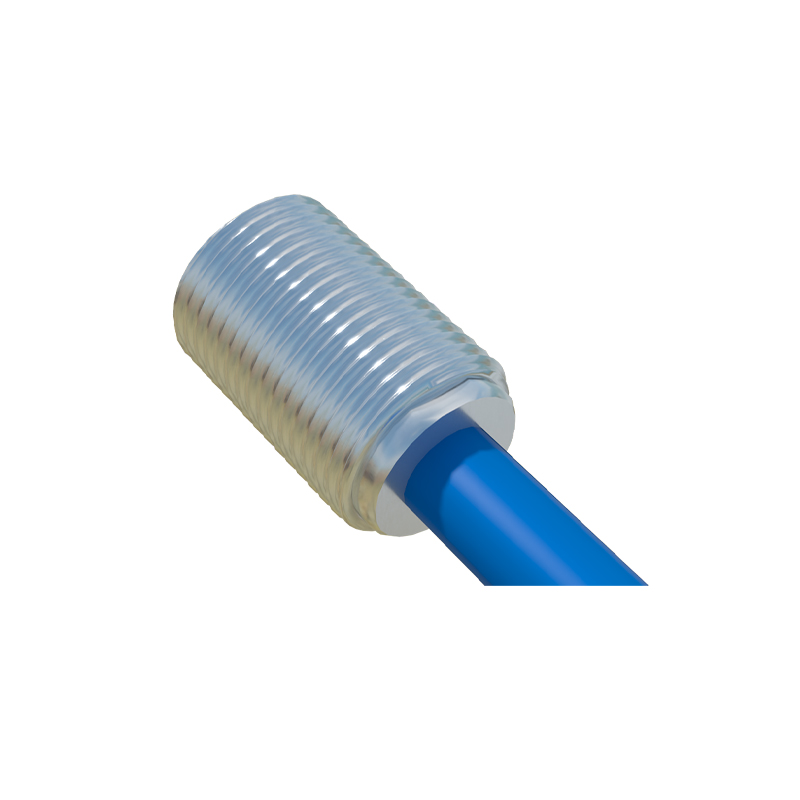
In practice, integrating bidirectional sensors requires careful consideration of installation orientation, sensing range, and object properties. Misalignment can lead to false triggers or reduced sensitivity. Engineers must also account for interference from adjacent metallic structures or electrical noise, which may be mitigated through shielding or frequency modulation. Recent trends include the adoption of smart sensors with self-diagnostic features and wireless connectivity, enabling predictive maintenance and seamless integration into Industry 4.0 frameworks.
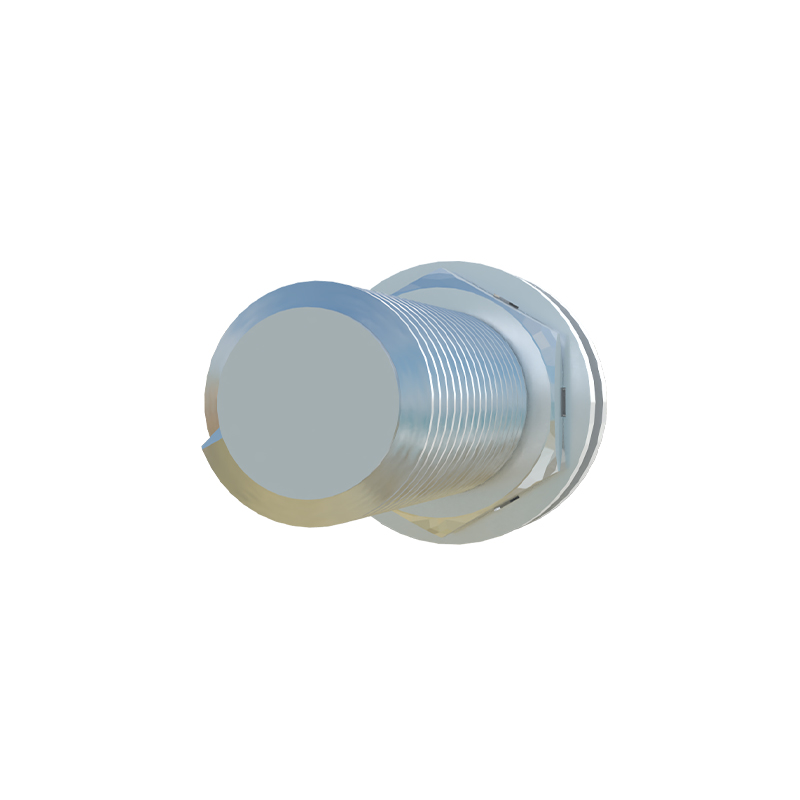
Overall, bidirectional proximity sensors enhance operational efficiency by reducing the need for multiple unidirectional units, simplifying wiring, and providing versatile detection capabilities. As automation evolves, these sensors will continue to play a pivotal role in enabling adaptive, responsive industrial systems.