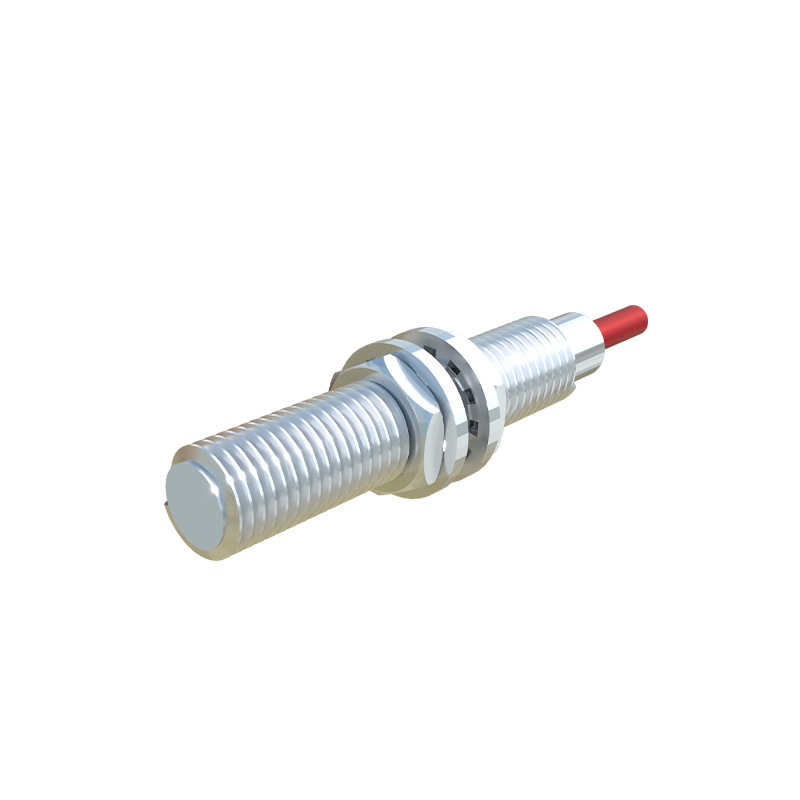
In the realm of industrial automation and control, the reliability and precision of sensing technology are paramount. The GH1247QK square proximity sensor stands as a significant component within this landscape, engineered to deliver consistent performance in demanding environments. This article provides a detailed technical examination of the GH1247QK, its operational principles, key specifications, and typical application scenarios.
Fundamentally, a proximity sensor like the GH1247QK is a non-contact device designed to detect the presence or absence of an object within its sensing range without physical interaction. The "square" designation refers to its housing geometry, which is often advantageous for mounting in confined spaces or on specific machinery profiles where a cylindrical sensor might not be optimal. The GH1247QK typically operates on the inductive sensing principle. This means it generates an electromagnetic field from its active face. When a metallic object (ferrous or non-ferrous, depending on the sensor's design) enters this field, it induces eddy currents within the object. The sensor's internal oscillator circuit detects the resulting change in the field's amplitude or frequency, triggering a solid-state switching output.
The construction of the GH1247QK is robust, usually featuring a housing made from materials like nickel-plated brass or stainless steel, ensuring high resistance to mechanical impact, vibration, and harsh industrial conditions such as coolants, oils, and dust. Many models conform to IP67 or higher ingress protection ratings, making them suitable for washdown environments. The sensing face is often made of a specialized polymer that allows the electromagnetic field to pass through while protecting the internal coil.
Key performance parameters define the GH1247QK's suitability for various tasks. The sensing distance is a critical specification, typically ranging from a few millimeters to several centimeters. It is crucial to note that the rated operating distance (Sn) is defined under standardized conditions (e.g., a mild steel target of a specific size). Variations in target material, size, and shape will affect the actual sensing range. For instance, the detection distance for stainless steel or aluminum is often less than that for mild steel. The repeat accuracy is exceptionally high, often within microns, allowing for precise positioning tasks. The switching frequency indicates how quickly the sensor can respond to objects passing by, a vital factor in high-speed production lines. Furthermore, the output configuration is a major selection criterion. The GH1247QK is commonly available with PNP (sourcing) or NPN (sinking) transistor outputs, as well as analog (4-20mA or 0-10V) or IO-Link versions for more advanced data communication. The choice depends on the compatibility with the programmable logic controller (PLC) or other control systems in use.
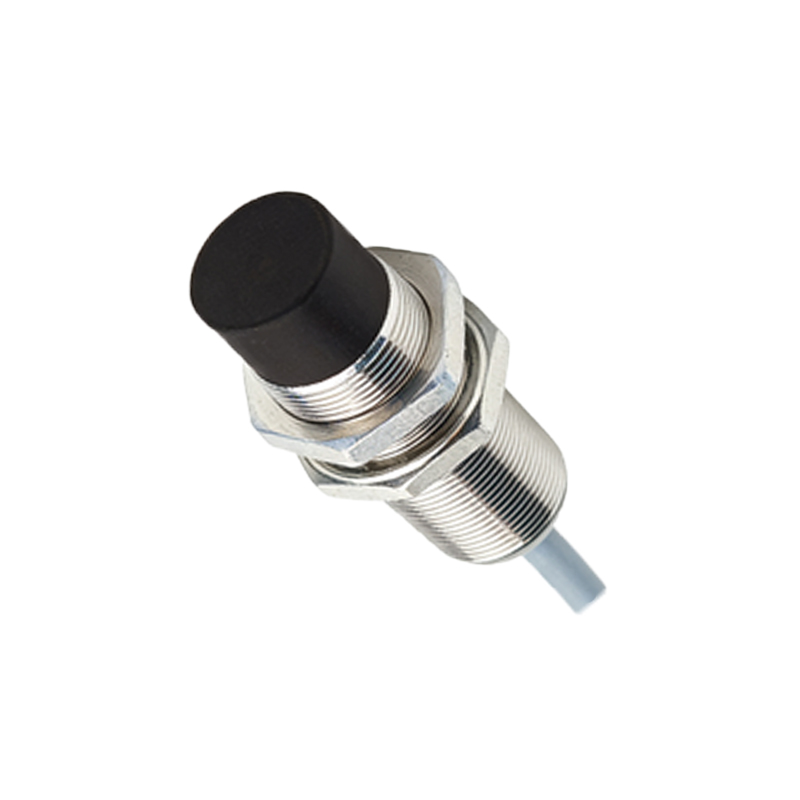
Electrical characteristics are equally important. Operating voltage ranges, such as 10-30V DC, are standard. The sensor incorporates protection against short-circuits, reverse polarity, and overload, enhancing system reliability. The inclusion of a status LED is a standard feature, providing visual indication of power and output state, which is invaluable for troubleshooting.
In practical application, the GH1247QK square proximity sensor finds extensive use across numerous industries. In automotive manufacturing, it is deployed for part presence verification on assembly lines, robotic tool positioning, and end-of-arm tooling detection. Within packaging machinery, it counts products on conveyors, detects fill levels, and ensures correct carton positioning. In material handling, these sensors monitor pallet positions, control gate operations, and provide feedback for automated guided vehicles (AGVs). Their square form factor is particularly beneficial in machine tools for tool breakage detection and in automated storage and retrieval systems (AS/RS) where space is at a premium.
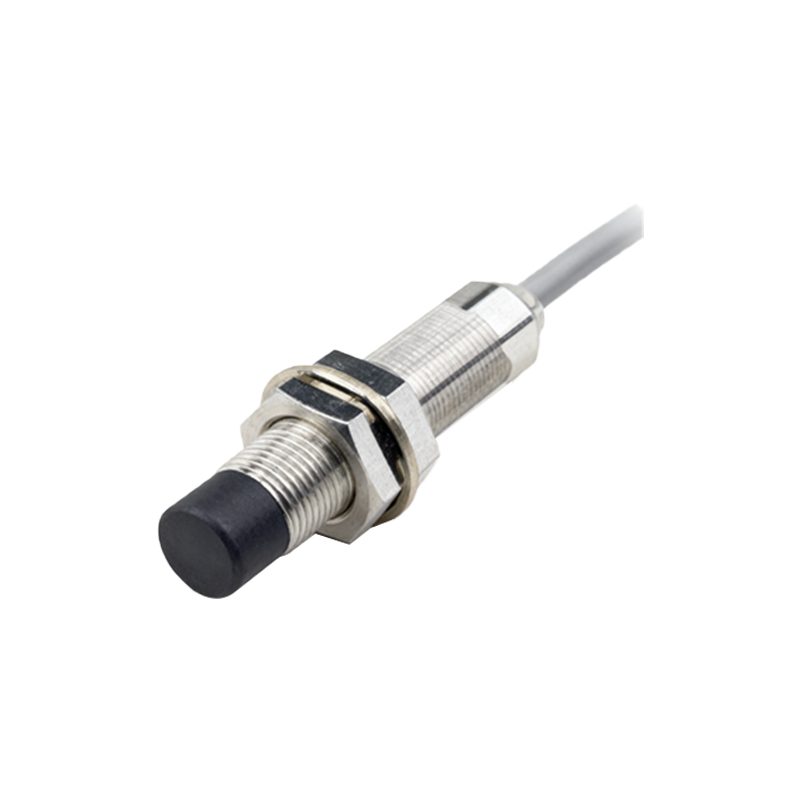
Installation and environmental considerations are non-negotiable for optimal performance. Installers must adhere to the specified mounting distances, ensuring that the sensor is not flush-mounted in a metallic surround unless it is specifically designed as a flush-mountable type. Non-flush models require a clear zone around the sensing face. Environmental factors like extreme temperatures, strong electromagnetic interference from nearby motors or welding equipment, and the presence of conductive dust (metal chips) can influence performance. Proper shielding, correct cable selection, and adherence to manufacturer guidelines are essential for mitigating these issues.
In conclusion, the GH1247QK square inductive proximity sensor represents a mature, highly reliable technology that forms a foundational element in modern industrial control systems. Its square design offers mounting flexibility, while its core inductive technology provides robust and maintenance-free object detection for metallic targets. By carefully considering factors such as sensing distance, target material, output type, and environmental conditions, engineers and technicians can seamlessly integrate the GH1247QK to enhance automation efficiency, safety, and precision across a vast spectrum of industrial applications. Its continued evolution, including integration with industrial