In industrial automation and precision measurement, laser displacement sensors are critical components known for their high accuracy and reliability. However, like any sophisticated equipment, they can encounter operational issues, with "stuck" or unresponsive behavior being a common yet frustrating problem. This article delves into the root causes, diagnostic procedures, and effective solutions for laser displacement sensor malfunctions, providing a comprehensive guide for engineers and technicians.
A laser displacement sensor operates by emitting a laser beam onto a target surface and measuring the reflected light to calculate distance. When the sensor becomes "stuck," it typically fails to output data, displays constant values, or stops responding to changes in the target position. This can halt production lines, cause quality control failures, and lead to significant downtime. Understanding the underlying factors is essential for swift resolution.
Common causes of sensor sticking include environmental contamination, such as dust, oil, or debris accumulating on the lens or emitter. In harsh industrial settings, these contaminants can obstruct the laser path, leading to erroneous readings or complete sensor failure. Regular maintenance, including cleaning with appropriate tools like lint-free cloths and approved solvents, is crucial. Additionally, physical damage from impacts or vibrations may misalign internal components, requiring recalibration or replacement.
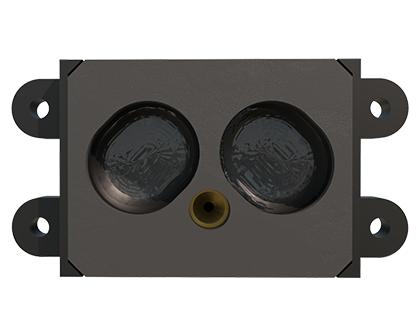
Electrical issues are another prevalent source of problems. Power supply fluctuations, grounding faults, or electromagnetic interference (EMI) from nearby machinery can disrupt sensor signals. Ensuring stable voltage levels, proper shielding, and adherence to installation guidelines—such as keeping cables away from high-power sources—can mitigate these risks. Firmware or software glitches might also cause the sensor to freeze; updating to the latest version or resetting the device often resolves this.
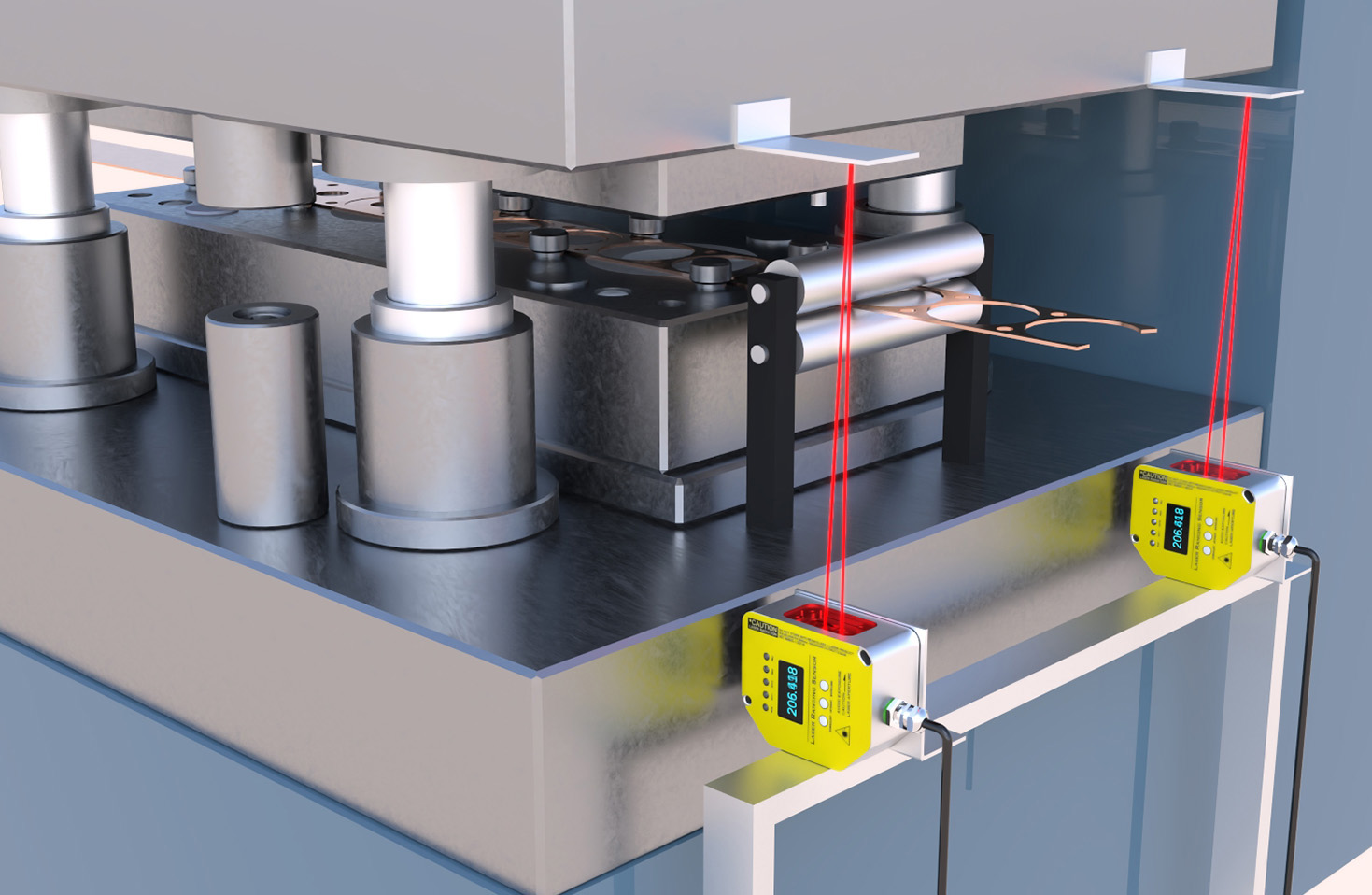
Diagnosis should begin with a visual inspection for obvious signs of damage or dirt. Next, verify the power and connection integrity using multimeters or oscilloscopes. Testing the sensor in a controlled environment with a known reference target can help isolate issues. If the problem persists, consulting the manufacturer's manual for error codes or diagnostic modes is advisable. In some cases, thermal effects from excessive ambient temperature may cause overheating, leading to temporary sticking; ensuring adequate ventilation or cooling can prevent recurrence.
Solutions range from simple cleaning and recalibration to component replacement. For persistent electrical interference, consider installing filters or isolators. Preventive measures, such as implementing routine inspection schedules and training staff on proper handling, are key to minimizing future incidents. Collaboration with sensor manufacturers for technical support or firmware updates can also enhance long-term reliability.
In summary, addressing laser displacement sensor stuck issues requires a systematic approach combining environmental control, electrical stability, and proactive maintenance. By understanding these principles, professionals can ensure optimal sensor performance, reducing downtime and maintaining precision in critical applications.