Magnetic proximity sensors are fundamental components in modern industrial automation and control systems. These robust, non-contact devices detect the presence or absence of a magnetic field, typically generated by a permanent magnet target. Their operation is elegantly simple yet profoundly reliable. A sensor contains a reed switch or a solid-state Hall-effect element. When a magnet approaches within a specified sensing range, the magnetic field causes the reed contacts to close or triggers the Hall-effect IC, producing a clean electrical switching signal. This principle makes them immune to many environmental factors that plague other sensor types.
The advantages of magnetic proximity sensors are numerous and explain their widespread adoption. First and foremost is their exceptional durability. With no moving mechanical parts in the sensing element itself (especially in Hall-effect versions) and a completely sealed design, they are highly resistant to shock, vibration, and wear. This leads to an extraordinarily long operational life, often measured in millions of cycles. They perform flawlessly in harsh conditions, being unaffected by dust, oil, moisture, or most non-ferrous contaminants. This makes them ideal for dirty environments like machine tools, hydraulic systems, and outdoor equipment. Furthermore, their switching speed is very high, and they consume minimal power, a critical factor in battery-operated applications.
When selecting a magnetic proximity sensor, several key parameters must be considered. The sensing distance is paramount; it defines how close the magnet must be to activate the sensor. This distance is typically short, ranging from a few millimeters to about 50 mm, and is influenced by magnet strength and size. The type of output is another critical choice. Common outputs include DC NPN/PNP transistors for programmable logic controller (PLC) inputs, analog current/voltage for proportional sensing, and even IO-Link for smart, digital communication. Housing material is chosen based on the environment—stainless steel for corrosive settings, nickel-plated brass for general use, or rugged plastics. Electrical connection options include pre-wired cables, quick-disconnect M8 or M12 connectors. One must also specify the operating voltage (e.g., 10-30V DC) and ensure the switching frequency meets the application's speed requirements.
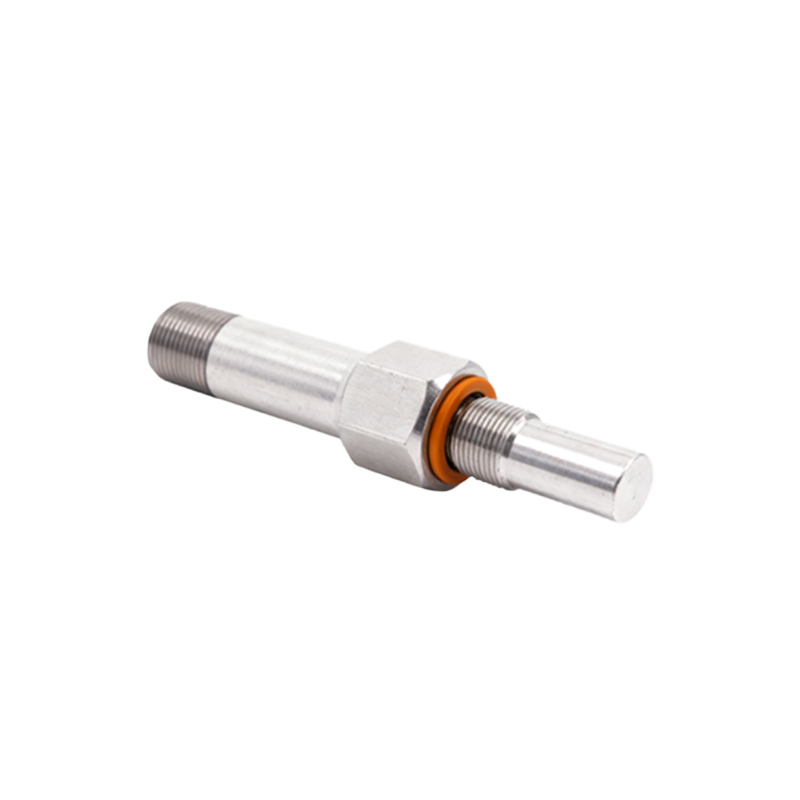
Applications for magnetic proximity sensors are vast and varied across industries. In factory automation, they are ubiquitous for end-of-travel detection on cylinders and linear actuators, providing precise position feedback. The automotive industry relies on them for gearbox and transmission sensing, seat belt buckle detection, and door/window open-close status. In material handling, they monitor the position of conveyor belts, cranes, and elevators. Mobile machinery such as agricultural and construction equipment uses them for boom angle detection, hydraulic cylinder positioning, and safety interlock systems. A particularly common application is in liquid level sensing, where a float containing a permanent magnet moves along a guide tube, activating sensors at predefined high, low, or intermediate levels.
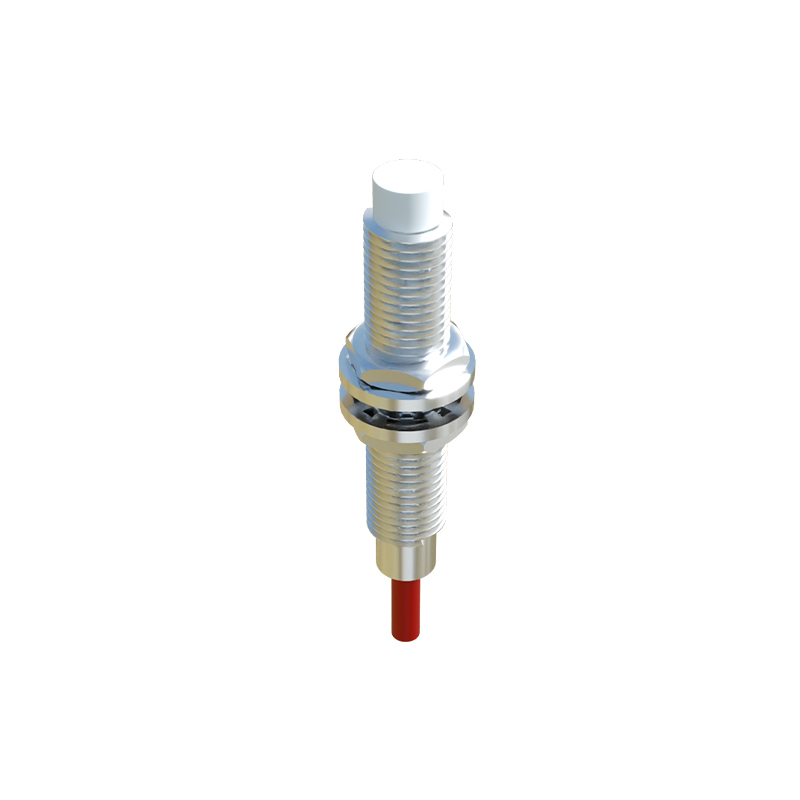
Comparing magnetic sensors to other proximity technologies highlights their niche. Inductive sensors detect only metals, primarily ferrous ones, and have a shorter range. Capacitive sensors detect both metallic and non-metallic materials but can be sensitive to environmental changes like humidity. Ultrasonic and photoelectric sensors offer longer ranges but are more complex, costly, and can be obstructed by dirt. The magnetic sensor's strength lies in its simplicity, cost-effectiveness for short-range detection of a magnet, and unparalleled resilience in sealed, hostile environments.
Installation and maintenance are straightforward but require attention to detail. The sensor must be mounted securely, with its sensing face aligned parallel to the magnet's path. The use of non-magnetic mounting hardware (e.g., brass or stainless steel screws) is essential to avoid shielding the magnetic field. The magnet should approach the sensor's active face directly for maximum reliability. While maintenance is minimal, periodic checks should verify the sensing distance hasn't degraded and that connections remain tight and free from corrosion. For Hall-effect sensors, ensuring a stable power supply within specifications is crucial.
Future trends point towards increased integration and intelligence. The adoption of IO-Link is a significant step, turning simple binary switches into smart devices that can report parameters like temperature, operating hours, and signal strength for predictive maintenance. Miniaturization continues, enabling sensors to fit into tighter spaces. There is also a growing demand for sensors with higher temperature ratings and enhanced resistance to aggressive chemicals for extreme applications.
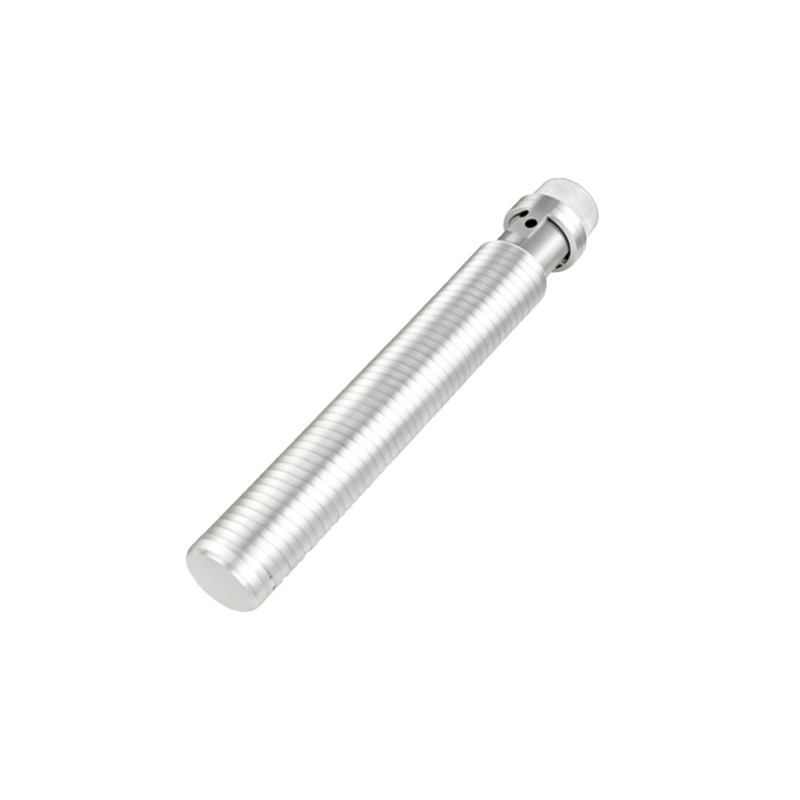
In conclusion, magnetic proximity sensors represent a perfect blend of reliability, durability, and simplicity. Their non-contact sensing principle ensures long life, while their sealed construction guarantees performance in challenging industrial settings. By carefully matching sensor specifications—sensing distance, output type, housing, and electrical characteristics—to the application's demands, engineers can achieve robust and maintenance-free position detection. As industries move towards Industry 4.0, the evolution of these sensors with