In the dynamic landscape of industrial automation and electrical systems, proximity sensors stand as critical components for non-contact detection, enabling precision, safety, and efficiency. As a seasoned electrical engineer, I often field questions regarding the cost drivers behind these essential devices. The factory price of a new proximity sensor is not a random figure but a complex synthesis of technology, materials, manufacturing scale, and market forces. This article delves into the key factors that determine this price point, providing clarity for procurement specialists, system integrators, and fellow engineers.
At its core, the technology embedded within the sensor is the primary price determinant. Basic inductive sensors, designed to detect metallic objects, are generally the most cost-effective. Their operation relies on a simple oscillating circuit. Moving up the technological ladder, capacitive sensors, capable of detecting both metallic and non-metallic materials, involve more sophisticated electronics, commanding a higher price. Ultrasonic and photoelectric sensors represent the higher end, with complex signal processing for distance measurement or precise object detection, reflecting in a significantly higher factory cost. The sensing range, repeat accuracy, and response time are direct functions of this technological tier; higher specifications necessitate more advanced and expensive components.
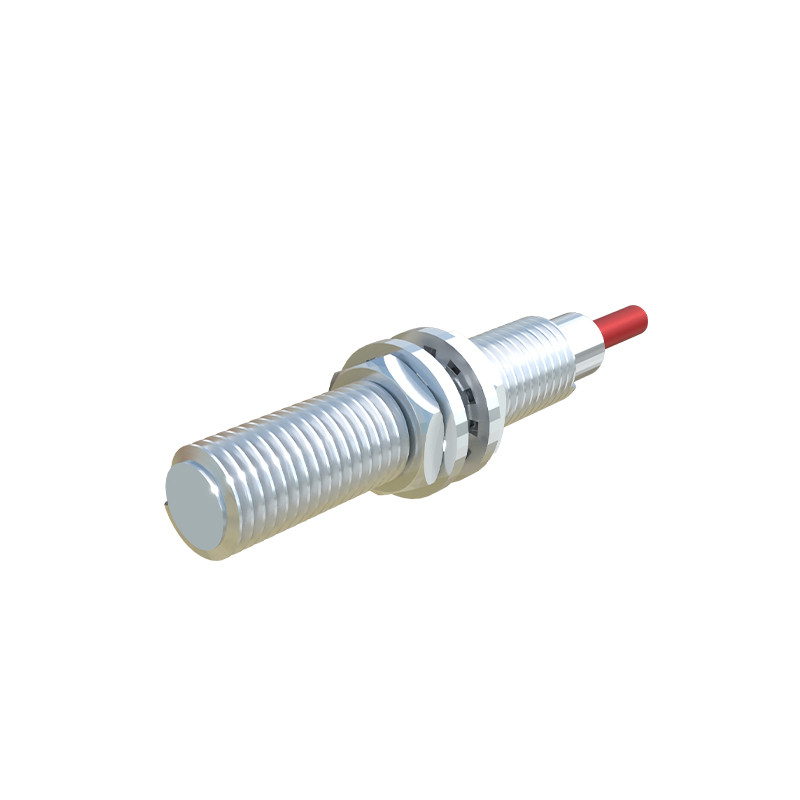
The choice of materials and build quality is equally pivotal. The housing material—whether standard plastic, rugged PBT, or stainless steel—directly impacts durability, ingress protection (IP) ratings, and suitability for harsh environments. Sensors destined for washdown applications in food processing or corrosive atmospheres in chemical plants require specialized seals and housings, increasing material costs. Internally, the quality of the coil, oscillator circuit, and output circuitry (be it NPN, PNP, or analog) influences both performance and longevity. A sensor built with industrial-grade components to withstand voltage spikes, temperature extremes, and mechanical stress inherently carries a higher manufacturing cost than a commercial-grade alternative.
Manufacturing scale and supply chain efficiency are macroeconomic factors that subtly but powerfully affect the sticker price. Large-scale production runs by major manufacturers allow for economies of scale, reducing the per-unit cost of components and assembly. However, this benefit can be offset by the R&D investment required for developing new, more capable sensor families. Furthermore, global supply chain stability for semiconductors and rare-earth materials directly influences component availability and cost. Disruptions can lead to price volatility, even at the factory level. The choice of origin also plays a role; while sensors manufactured in regions with lower labor costs might have a price advantage, this must be balanced against consistent quality control and logistical lead times.
Beyond the physical product, intangible factors contribute to the price. Reputable brands invest heavily in rigorous testing, certification (e.g., UL, CE, ATEX for hazardous areas), and comprehensive technical support. This brand equity and assurance of reliability are factored into the price. Additionally, standard packaging versus customized solutions (like special cable lengths, connectors, or form factors) will alter the cost. A sensor ordered in bulk for a standard application will have a lower per-unit price compared to a small batch of highly customized units.
For procurement professionals, understanding this breakdown is crucial. The cheapest factory price does not always equate to the lowest total cost of ownership. A marginally more expensive sensor with superior durability and accuracy can prevent costly production downtime, maintenance, and replacements. When evaluating quotes, it is essential to specify the exact requirements: sensing technology, material, housing size, output type, and required certifications. Engaging directly with manufacturers or authorized distributors can provide the most transparent pricing and valuable application engineering support.
In conclusion, the factory price of a new proximity sensor is a direct reflection of its technological sophistication, material integrity, manufacturing context, and embedded value of reliability. As the industry marches towards Industry 4.0 with increased demands for IoT connectivity and smart sensing, the fundamental cost drivers will evolve, but the principle of value-based assessment will remain constant. Making an informed purchasing decision requires looking beyond the price tag to the engineering excellence and operational fit that the sensor delivers.