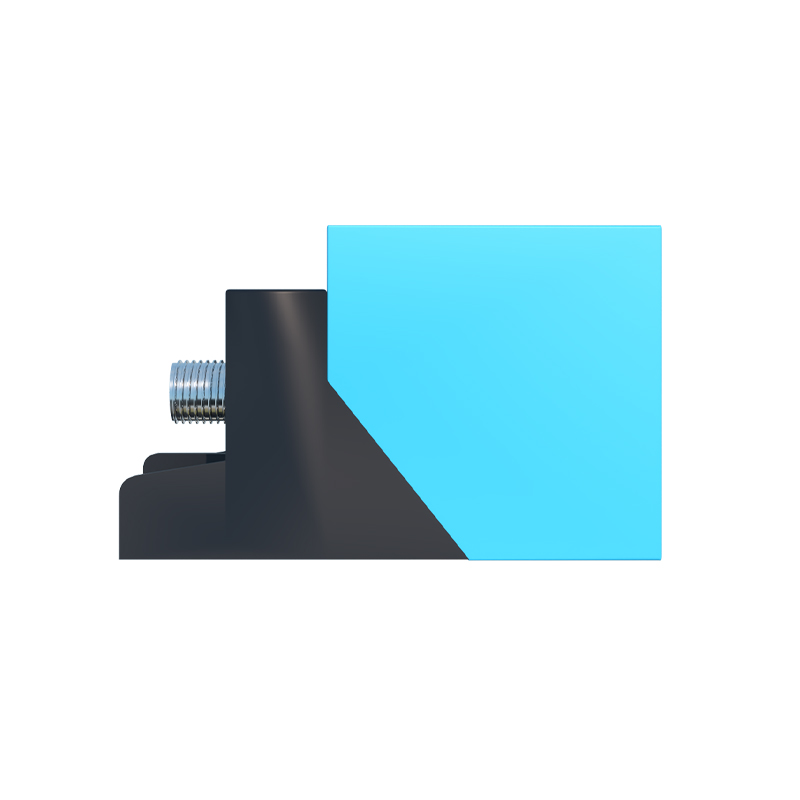
In the rapidly evolving landscape of industrial automation and smart systems, high sensitivity proximity sensors have emerged as critical components for enabling precise, non-contact detection. These sensors are engineered to detect the presence or absence of an object with exceptional accuracy, even at minute distances or with materials that pose challenges for standard sensors. Unlike their conventional counterparts, high sensitivity variants operate on refined principles to deliver reliable performance in demanding environments.
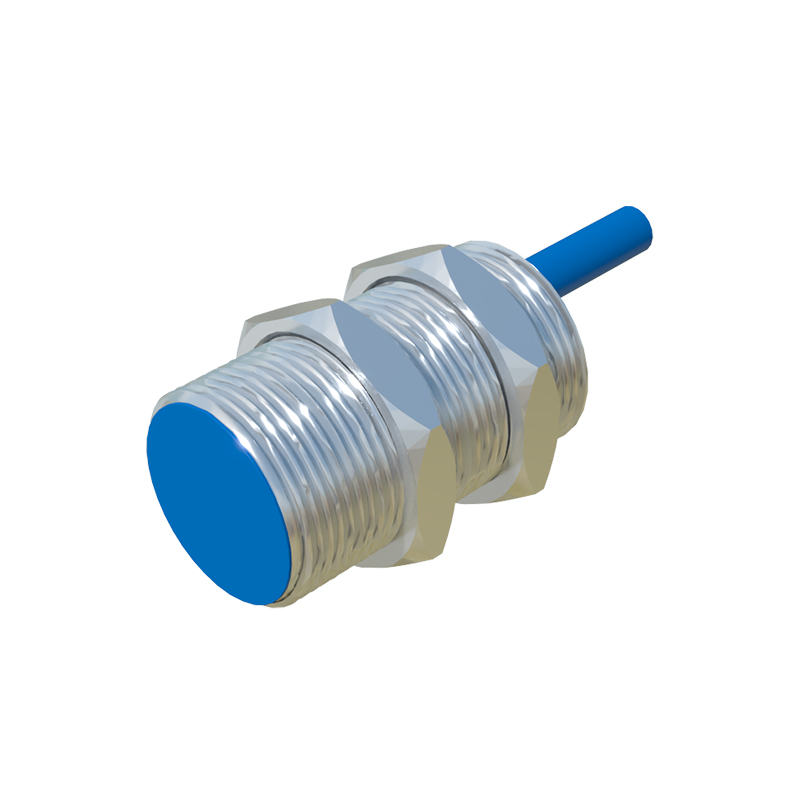
The core operating principle of most high sensitivity proximity sensors is based on electromagnetic, capacitive, or photoelectric technologies. Inductive sensors, for instance, generate an oscillating electromagnetic field. When a metallic target enters this field, it induces eddy currents that dampen the oscillation, triggering a switch in the sensor's output state. High sensitivity in these models is achieved through optimized coil design, advanced oscillation circuits, and sophisticated signal processing algorithms that can detect even small changes caused by thin or non-ferrous metals. Capacitive sensors function by detecting changes in capacitance caused by the presence of any material, conductive or non-conductive, altering an electrostatic field. Enhanced sensitivity here involves precise calibration to distinguish the target object from background environmental noise. Photoelectric sensors use light beams, and high sensitivity versions employ focused optics and amplified receivers to detect faint reflections or minute interruptions in the beam path.
The applications for these sensitive detectors are vast and integral to modern manufacturing and beyond. In electronics assembly, they are indispensable for detecting tiny components like microchips or thin wires on high-speed production lines. The semiconductor industry relies on them for wafer handling and positioning where sub-millimeter precision is mandatory. In automotive manufacturing, they ensure the precise placement of airbag components or verify the assembly of small but critical parts. Beyond heavy industry, they find roles in consumer devices—enabling touchless faucets, interactive displays, and precision robotics in medical equipment. Their ability to function without physical contact eliminates mechanical wear and prevents contamination, which is crucial in cleanrooms or food processing applications.
Selecting the appropriate high sensitivity proximity sensor requires a careful analysis of several key parameters. First, the sensing distance, often specified as the nominal range, must be suitable for the application without being overly susceptible to false triggers. The target material is paramount; inductive sensors are metal-specific, while capacitive sensors are material-agnostic. The sensor's housing and environmental rating (IP, NEMA) must withstand operational conditions like temperature extremes, humidity, oils, or chemical exposure. Output type (PNP/NPN, analog, IO-Link) must be compatible with the control system. Perhaps most critically, the repeatability and hysteresis specifications determine the sensor's consistency and stability in detection. Engineers must also consider factors like response frequency for high-speed applications and shielding options to prevent mutual interference when sensors are mounted in close proximity.
Future trends point toward even greater integration and intelligence. The development of sensors with integrated microprocessors allows for self-diagnostics, adaptive sensitivity adjustment, and direct digital communication via protocols like IO-Link. This facilitates predictive maintenance and seamless data integration into Industry 4.0 frameworks. Furthermore, miniaturization continues, allowing high sensitivity detection in increasingly compact spaces, such as within wearable technology or miniature robotic actuators.
In conclusion, high sensitivity proximity sensors are foundational to achieving the precision, reliability, and efficiency demanded by advanced automated systems. Their sophisticated design translates subtle physical changes into actionable data, driving innovation across countless sectors. A thorough understanding of their operating principles, application-specific demands, and technical specifications is essential for engineers to leverage their full potential, ensuring optimal performance in the complex and sensitive tasks of tomorrow's industry.