In the dynamic landscape of modern electrical engineering and industrial automation, sensors act as the fundamental sensory organs of any sophisticated system. Among the vast array of sensing technologies, proximity sensors and pressure sensors stand out as two critical pillars, enabling precise detection, measurement, and control. This article delves into their operational principles, key types, applications, and the considerations for their effective integration into electrical systems.
Understanding Proximity Sensors
A proximity sensor is a non-contact device designed to detect the presence or absence of an object within its sensing field without any physical contact. Their primary advantage lies in their longevity and reliability, as the lack of mechanical wear ensures a longer operational life. The most prevalent types include:
Inductive Proximity Sensors: These sensors generate an electromagnetic field. When a metallic object enters this field, it induces eddy currents within the object, causing a change in the sensor's oscillation amplitude. This change is detected, signaling the object's presence. They are ideal for detecting ferrous and non-ferrous metals and are widely used in machine automation for position sensing, part counting, and speed detection.
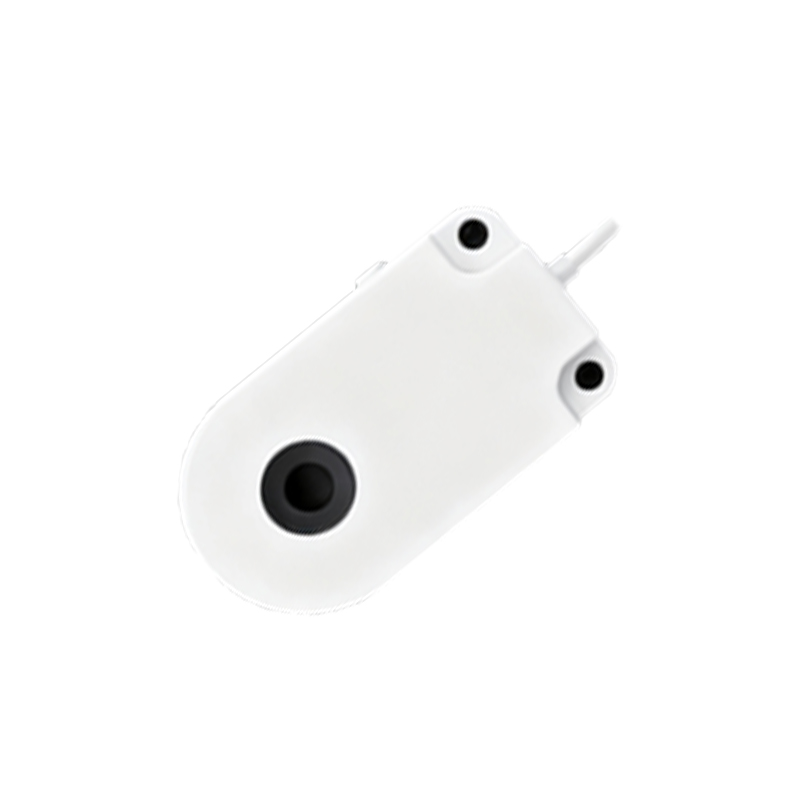
Capacitive Proximity Sensors: These sensors can detect both metallic and non-metallic objects (plastics, wood, liquids, etc.) by measuring changes in capacitance. They generate an electrostatic field. When any object with a dielectric constant different from air enters the field, it alters the capacitance, triggering the sensor. Common applications include level detection in tanks, material handling, and presence detection of non-metallic products.
Photoelectric Sensors: Utilizing a light emitter (usually LED) and a receiver, these sensors detect objects based on the interruption or reflection of a light beam. They offer long sensing ranges and can detect virtually any material. Variants include through-beam, retro-reflective, and diffuse reflective models, used extensively in packaging, material handling, and safety systems.
Understanding Pressure Sensors
Pressure sensors, or pressure transducers, convert physical pressure (from gases or liquids) into an analog or digital electrical signal. The measured pressure is typically referenced against atmospheric pressure (gauge pressure) or a vacuum (absolute pressure). Core technologies include:
Strain Gauge-Based Sensors: The most common type. A strain gauge is bonded to a diaphragm. When pressure is applied, the diaphragm deforms, causing a change in the electrical resistance of the strain gauge. This change, measured via a Wheatstone bridge circuit, is proportional to the applied pressure. They are known for accuracy and stability.
Capacitive Pressure Sensors: These use a diaphragm as one plate of a capacitor. Pressure causes the diaphragm to deflect, changing the capacitance between it and a fixed plate. This change is measured and converted to a pressure reading. They are highly sensitive and suitable for low-pressure applications.
Piezoelectric Sensors: These utilize materials (like quartz) that generate an electrical charge when subjected to mechanical stress (pressure). They are excellent for measuring dynamic, rapidly changing pressures but are not suitable for static pressure measurement.
Key Applications in Electrical Systems
The synergy of proximity and pressure sensors is evident across industries:
Industrial Automation & Robotics: Proximity sensors provide precise positional feedback for robotic arms and end-effectors, while pressure sensors monitor hydraulic or pneumatic system pressures to ensure correct gripping force and actuator movement.
Process Control: In chemical plants or water treatment facilities, pressure sensors are vital for monitoring pipeline pressures, pump control, and tank levels. Capacitive proximity sensors often complement this by detecting liquid or solid material levels.
HVAC Systems: Pressure sensors monitor air flow and filter pressure drops for energy efficiency and maintenance alerts.
Automotive Industry: Proximity sensors are integral to parking assistance systems. Pressure sensors are ubiquitous, monitoring tire pressure (TPMS), engine oil pressure, brake fluid pressure, and manifold absolute pressure (MAP) for engine control.
Consumer Electronics: Miniaturized capacitive proximity sensors detect the presence of a user's face during a phone call to disable the touchscreen, conserving power.
Selection and Integration Considerations
For electrical engineers, selecting the right sensor involves several critical parameters:
1. Sensing Range and Distance: For proximity sensors, the nominal sensing distance (Sn) and any associated correction factors for different materials must be considered.
2. Pressure Range and Type: Define the minimum and maximum pressure (PSI, bar, Pascal) and whether gauge, absolute, or differential measurement is required.
3. Output Signal: Compatibility with the control system is paramount. Common outputs include analog (4-20mA, 0-10V), digital (PNP/NPN for proximity sensors), or bus-based protocols (IO-Link, Profibus).
4. Environmental Factors: The operating environment dictates