Harness proximity sensors, often referred to as cable or wiring harness proximity sensors, are specialized devices designed to detect the presence, position, or integrity of wire harnesses and cable assemblies without physical contact. These sensors play a critical role in modern industrial automation, automotive manufacturing, aerospace systems, and robotics, where precise monitoring of wiring integrity is essential for safety, quality control, and operational efficiency.
The fundamental operating principle of harness proximity sensors is based on electromagnetic or capacitive sensing technologies. Electromagnetic variants, such as inductive proximity sensors, generate an oscillating electromagnetic field from a coil within the sensor. When a wire harness—typically containing metallic conductors—enters this field, eddy currents are induced in the conductive materials. This alters the oscillation amplitude or frequency, which the sensor's circuitry detects, triggering an output signal (e.g., a switch to ON/OFF state). This method is highly effective for detecting harnesses with metal wires or shielding, allowing for reliable position verification in assembly lines, such as ensuring a harness is correctly seated in a connector or chassis.
Capacitive proximity sensors, on the other hand, operate by generating an electrostatic field. They can detect both metallic and non-metallic harness materials, including insulating jackets or plastic cable ties. The sensor measures changes in capacitance caused by the proximity of any object, including a wire harness. As the harness approaches, the capacitance between the sensor's electrode and the target increases, and once it surpasses a predefined threshold, the sensor activates. This capability is particularly useful in applications where harnesses may have varied compositions or where detection through non-conductive barriers is necessary.
Key design considerations for harness proximity sensors include sensing range, environmental robustness, and immunity to electrical noise. Typical sensing distances range from a few millimeters to several centimeters, depending on the harness size and sensor type. Industrial-grade sensors are often encased in rugged housings (e.g., IP67-rated) to withstand dust, moisture, and mechanical vibrations. Additionally, advanced models incorporate features like temperature compensation and noise filtering to ensure stable performance in electrically noisy environments, such as near motors or power lines.
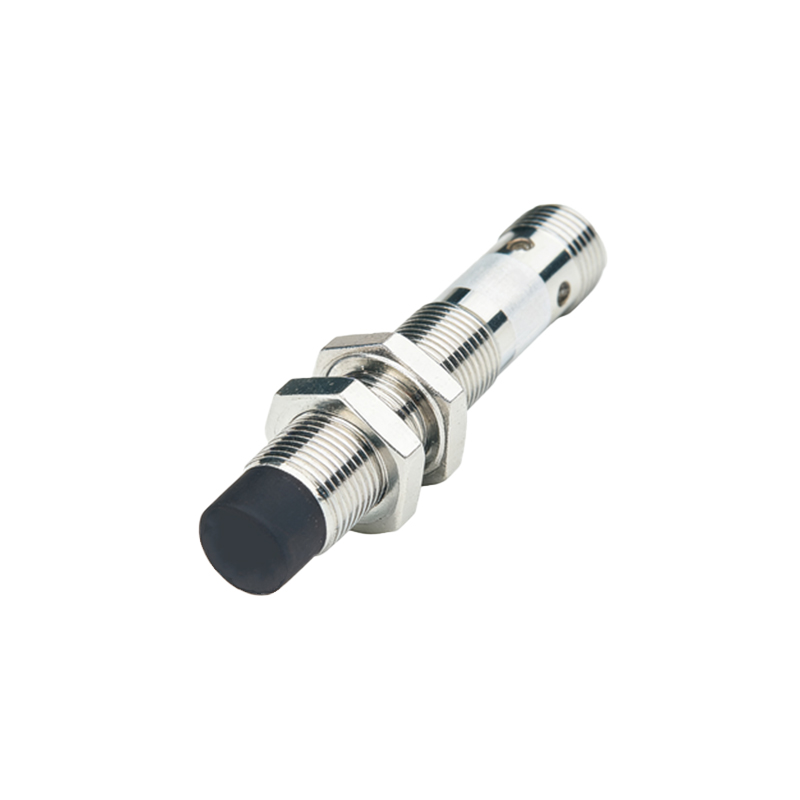
In practical applications, these sensors are deployed for multiple purposes: verifying harness installation during automotive assembly, monitoring cable slack in robotics to prevent tangling, detecting harness displacement in aircraft systems, and ensuring safety interlocks in machinery. For instance, in an automated production line, a harness proximity sensor might confirm that a wiring loom is properly positioned before a robotic arm secures it, preventing defects and reducing downtime. Integration with PLCs (Programmable Logic Controllers) or IoT-enabled systems allows for real-time data logging and predictive maintenance, alerting operators to potential harness wear or misalignment before failures occur.
Despite their advantages, challenges exist, such as false triggers from nearby metallic objects or variations in harness materials. Engineers address these by calibrating sensors carefully, using shielded designs, or selecting sensors with adjustable sensitivity. Future trends include the development of smart sensors with embedded diagnostics, wireless connectivity for easier installation in complex layouts, and miniaturization for use in compact electronic devices.
Overall, harness proximity sensors are indispensable tools for ensuring the reliability and safety of electrical systems. By leveraging non-contact detection, they enable efficient automation, reduce manual inspection costs, and enhance system integrity across diverse industries. As technology evolves, these sensors will continue to adapt, offering greater precision and integration capabilities for the increasingly interconnected industrial landscape.