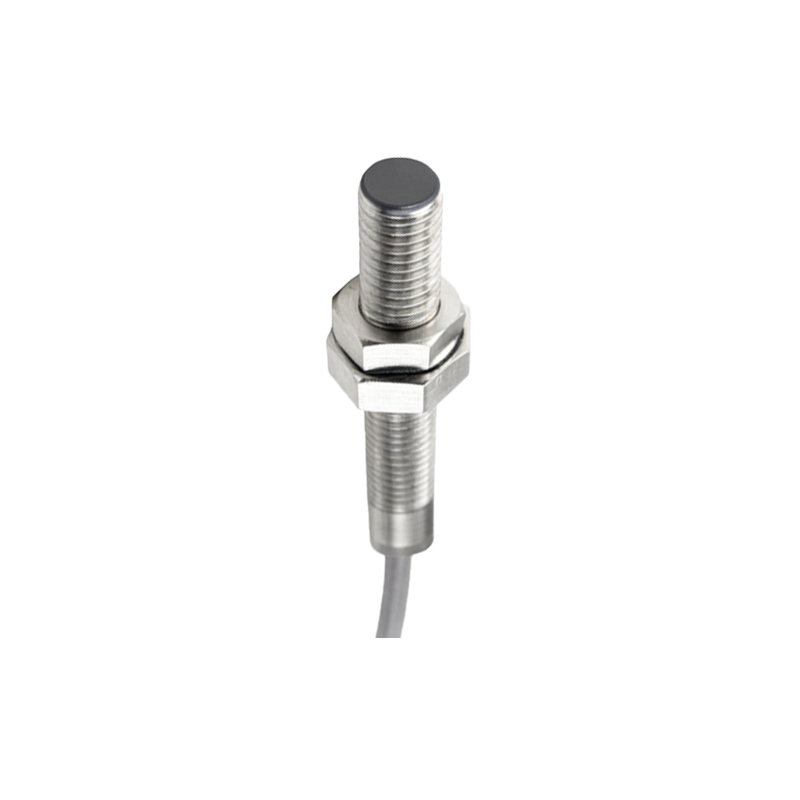
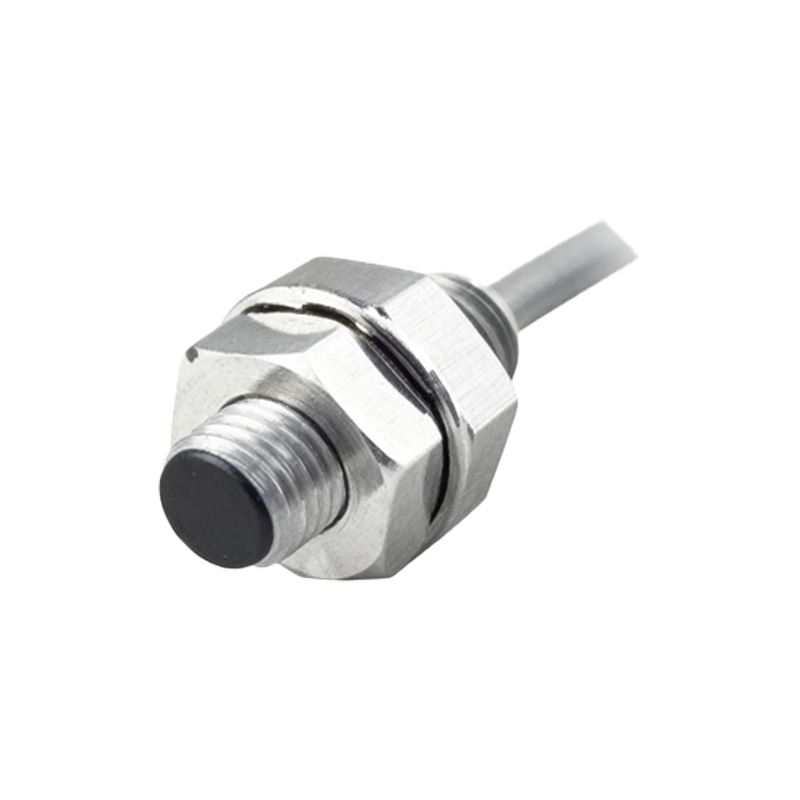
In the rapidly evolving landscape of automotive technology, vehicle proximity switch sensors have emerged as indispensable components, bridging the gap between mechanical systems and electronic control. These sensors, often operating on principles such as inductive, capacitive, ultrasonic, or magnetic sensing, are designed to detect the presence or absence of an object within a specified range without any physical contact. Their primary function is to provide critical input to a vehicle's electronic control units (ECUs), enabling a wide array of safety, convenience, and automation features that define modern driving experiences.
The operational core of a typical proximity sensor lies in its ability to generate an electromagnetic field or emit energy waves. When a target object—such as another vehicle, a pedestrian, or an obstacle—enters this field, it causes a detectable change in the sensor's output signal. For instance, inductive sensors, commonly used for detecting metallic objects, rely on the eddy current principle. A coil within the sensor is energized with an alternating current, creating an oscillating magnetic field. The introduction of a metallic object alters the oscillation amplitude or frequency, which the sensor's circuitry interprets as a detection event. This makes them ideal for applications like gear position sensing, brake wear detection, or automated parking systems where metal components are involved.
Capacitive sensors, on the other hand, can detect both metallic and non-metallic objects by measuring changes in capacitance. They are particularly valuable in applications requiring sensitivity to materials like plastics or liquids, such as fluid level monitoring in reservoirs or detecting hands near control panels for touchless interfaces. Ultrasonic sensors emit high-frequency sound waves and calculate the time taken for echoes to return, providing precise distance measurements crucial for parking assistance and blind-spot monitoring systems. Magnetic sensors, including Hall-effect and reed switches, respond to magnetic fields, making them suitable for speed sensing in anti-lock braking systems (ABS) or detecting door and hood positions.
The integration of these sensors into vehicle architectures is a testament to the industry's shift towards enhanced safety and autonomy. Advanced Driver-Assistance Systems (ADAS) heavily depend on proximity data to function. Features like Automatic Emergency Braking (AEB) use radar or ultrasonic sensors to identify imminent collisions and apply brakes if the driver fails to react. Adaptive Cruise Control (ACC) maintains a safe following distance by continuously monitoring the vehicle ahead, often using a combination of radar and lidar sensors, which are sophisticated forms of proximity detection technology. In low-speed maneuvering, parking sensors provide audible or visual alerts to prevent scrapes and dents, significantly reducing driver stress in tight spaces.
Beyond safety, proximity sensors contribute to operational efficiency and convenience. In commercial vehicles, they monitor component positions for automated functions, such as retractable steps or door operation in buses. Electric vehicles (EVs) utilize them in charging systems to ensure proper connector alignment and engagement. Furthermore, as the industry progresses towards higher levels of automation, the reliability and accuracy of these sensors become paramount. They form part of a sensor fusion ecosystem, where data from cameras, radars, and ultrasonic sensors are combined to create a comprehensive environmental model for autonomous driving algorithms.
However, the deployment of vehicle proximity sensors is not without challenges. Environmental factors like extreme temperatures, moisture, dirt, and electromagnetic interference can affect performance. Manufacturers address these through robust design, including sealed housings, temperature compensation circuits, and noise-filtering algorithms. Calibration is also critical, especially for systems requiring high precision, such as those used in autonomous vehicles. Regular maintenance and diagnostics are necessary to ensure long-term functionality, as sensor failure can lead to system malfunctions with safety implications.
Looking ahead, the evolution of proximity sensing technology is aligned with trends in miniaturization, increased sensitivity, and lower power consumption. The advent of solid-state sensors and advancements in materials science promise more compact and durable solutions. Integration with vehicle-to-everything (V2X) communication systems could enable sensors to share proximity data with infrastructure and other vehicles, enhancing situational awareness on a broader scale. As electric and autonomous vehicles become more prevalent, the role of these sensors will only expand, potentially incorporating new sensing modalities like time-of-flight (ToF) or improved AI-driven signal processing for better object classification.
In conclusion, vehicle proximity switch sensors are fundamental enablers of modern automotive innovation. From basic safety alerts to complex autonomous navigation, their ability to provide reliable, non-contact detection underpins many features that drivers now take for granted. As engineering continues to push the boundaries of what is possible on the road, these components will remain at the forefront, ensuring that vehicles are not only smarter and more efficient but also safer for everyone. Their continuous development reflects the industry's commitment to leveraging technology for transformative improvements in mobility.