In the vast landscape of industrial automation and control, proximity sensors are indispensable components. While many associate them primarily with metal detection, a significant and often critical category exists: non-metal detecting proximity sensors. These devices are engineered to sense the presence or absence of objects without requiring physical contact, specifically targeting materials like plastics, wood, glass, liquids, and other non-metallic substances. Their operation hinges on principles distinct from the ubiquitous inductive sensors used for metals, opening up a world of possibilities in diverse and demanding applications.
The fundamental working principle of most non-metal detecting proximity sensors is based on changes in capacitance or the modulation of light. Capacitive proximity sensors are the most common type for this purpose. They generate an electrostatic field. When any object, regardless of its material composition, enters this field, it causes a detectable change in the sensor's capacitance. This change occurs because the object alters the dielectric constant of the space between the sensor's active face and the ground. Even materials with low dielectric constants, such as plastics or paper, can be reliably detected, though sensitivity adjustments are often necessary to distinguish the target from background influences like mounting brackets or conveyor belts. The key advantage is their material-agnostic nature; they can sense virtually anything, including powders and liquids through non-metallic container walls.
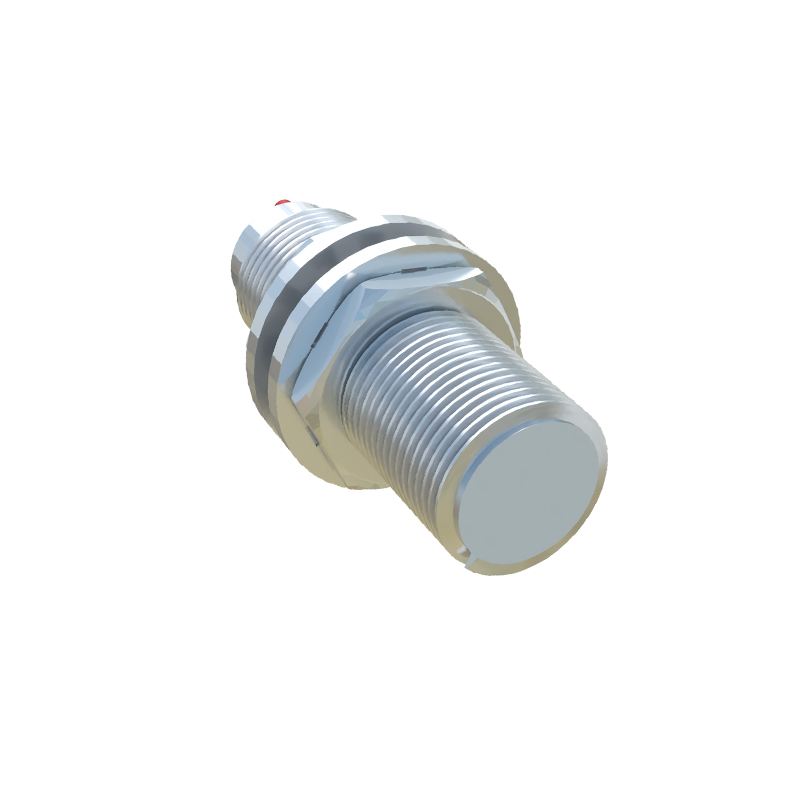
The other primary technology is the photoelectric sensor. While not exclusively for non-metals, it is exceptionally effective for them. These sensors operate by emitting a beam of light (visible red, infrared, or laser) and detecting its reflection or interruption. They come in several configurations: through-beam (separate emitter and receiver), retro-reflective (using a reflector), and diffuse-reflective (sensing light bounced off the target itself). Diffuse sensors are particularly useful for detecting non-metallic objects of various colors and surface finishes, though the reflectivity of the target material directly influences sensing range. For clear objects like glass or transparent films, specialized polarized or background suppression sensors are employed to filter out false signals from reflections.
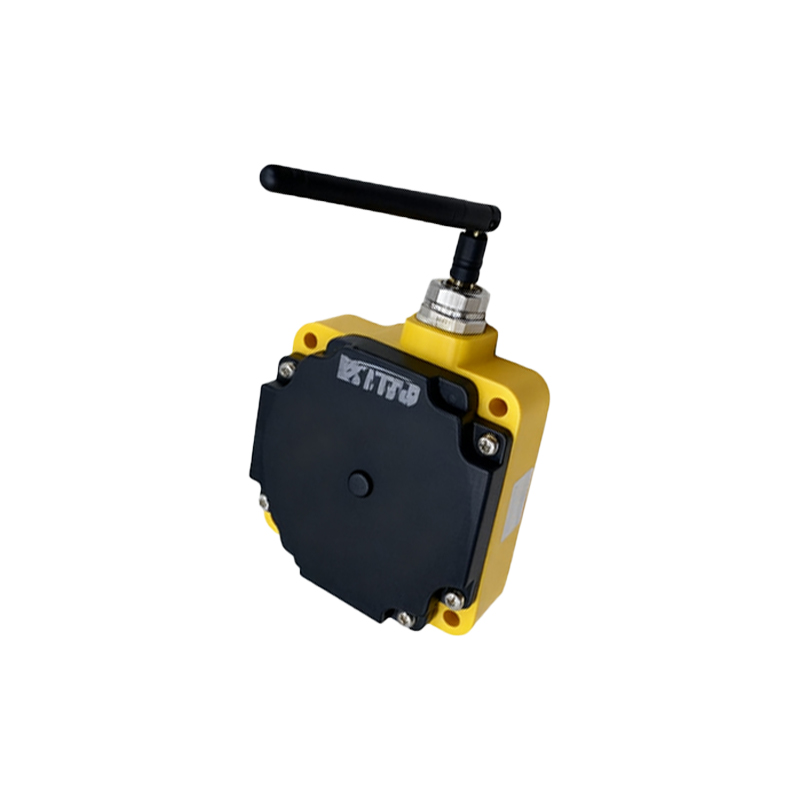
Ultrasonic sensors represent another powerful technology for non-metal detection. They work by emitting high-frequency sound waves and measuring the time it takes for the echo to return. The presence of an object interrupts or reflects this sound wave. Ultrasonic sensors are highly effective for detecting objects of any material, texture, or color, including transparent items that challenge photoelectric systems. They are also excellent for measuring distance and level sensing of liquids or granular solids in non-metallic tanks.
The selection of the appropriate sensor type is a critical engineering decision. Key parameters include sensing distance, response time, environmental robustness, and the specific characteristics of the target material. For instance, a capacitive sensor is ideal for detecting the fill level of resin pellets in a plastic hopper or the presence of a glass bottle on a line. A photoelectric sensor might be chosen to count cardboard boxes on a high-speed conveyor due to its fast response. An ultrasonic sensor could be deployed to monitor the precise level of a corrosive chemical in a polyethylene tank, where contact is impossible.
Industrial applications for these sensors are extensive and vital. In packaging machinery, they detect plastic bottles, foil wrappers, and cardboard cartons to control filling, capping, and labeling operations. In the wood and paper industry, they monitor the presence of logs, sheets, or rolls. In food and beverage processing, capacitive sensors ensure correct fill levels in plastic or glass containers, while photoelectric sensors verify label placement. Pharmaceutical manufacturing relies on them to detect vials, syringes, and blister packs with high precision and hygiene. Furthermore, they play a crucial role in liquid level control, object counting on assembly lines, and even in touch-sensitive control panels.
Installation and tuning require careful consideration. Factors such as sensor mounting, surrounding environmental conditions (temperature, humidity, dust, or airborne contaminants), and electrical noise can impact performance. Proper shielding, alignment, and sensitivity adjustment are essential for reliable operation. For capacitive sensors, the influence of the mounting surface and stray capacitance must be minimized. For photoelectric sensors, keeping the lens clean and avoiding ambient light interference is paramount.
In conclusion, non-metal detecting proximity sensors—capacitive, photoelectric, and ultrasonic—are foundational technologies that enable automation beyond the realm of metals. Their ability to reliably sense a vast array of materials drives efficiency, safety, and precision in countless modern industrial processes. As materials science advances and applications grow more complex, the evolution of these sensors continues, offering even greater sensitivity, intelligence, and integration capabilities for the factories of the future. Understanding their principles and applications is essential for any engineer designing robust and flexible automated systems.