In the vast and intricate world of industrial automation, the reliability and precision of sensing technology are paramount. Among the numerous brands that populate this critical sector, LANBAO has established itself as a noteworthy manufacturer of proximity sensors, offering solutions that cater to a wide array of demanding applications. This article delves into the identity of the LANBAO brand, its product offerings, and the key considerations for engineers and procurement specialists.
LANBAO, as an industrial brand, specializes in the design and production of non-contact sensing devices. Proximity sensors are their core focus, encompassing inductive, capacitive, and sometimes photoelectric types. These sensors are engineered to detect the presence or absence of metallic and non-metallic objects without any physical contact, making them indispensable in environments where durability, speed, and hygiene are critical. The brand positions itself within the competitive market by emphasizing robust construction, consistent performance, and cost-effectiveness, making its products accessible for small to medium-scale automation projects as well as specific applications in larger systems.
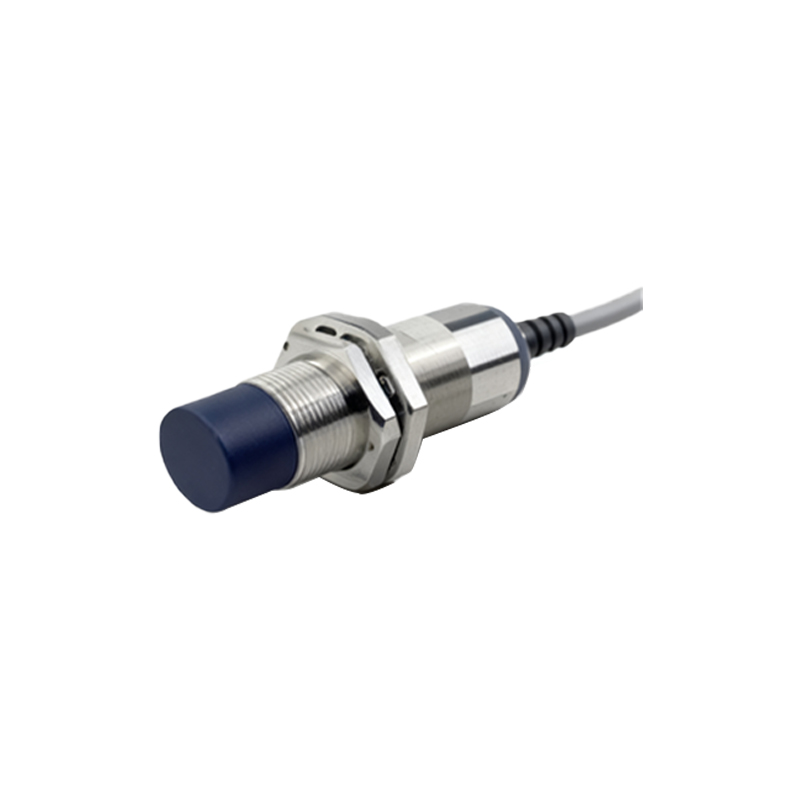
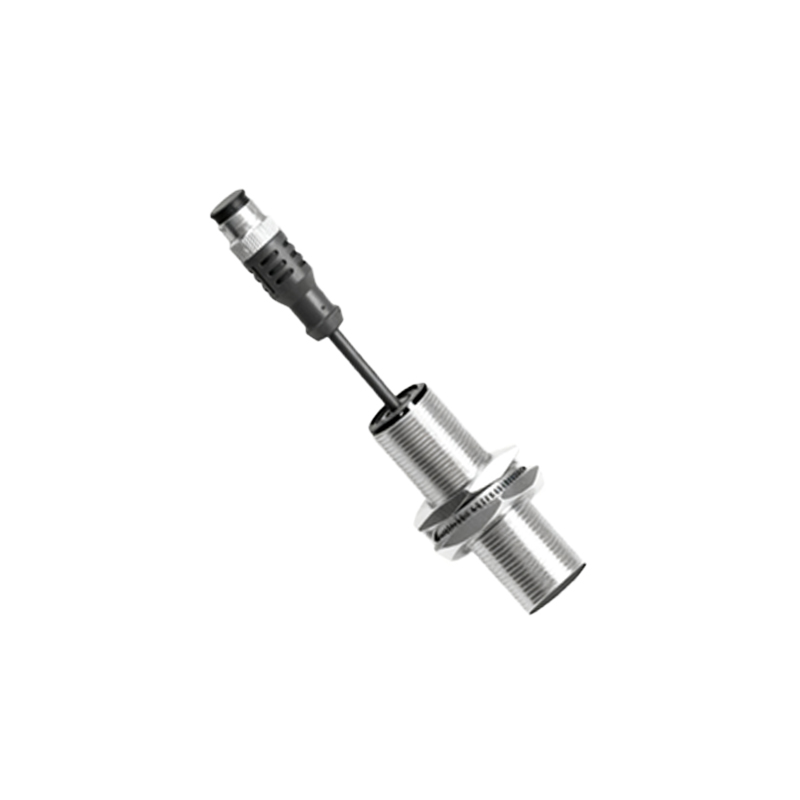
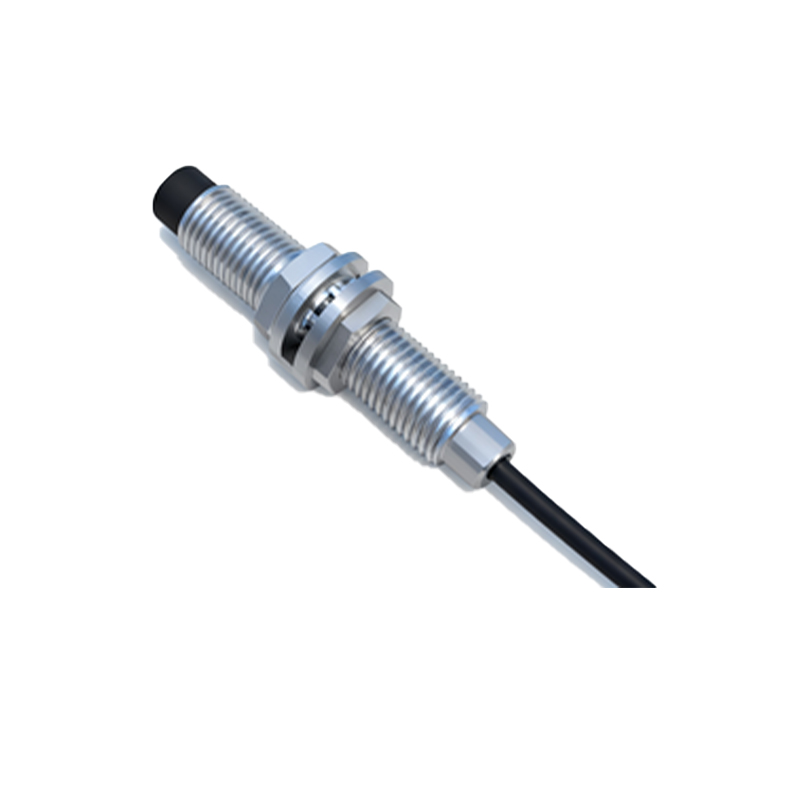
A typical LANBAO proximity sensor lineup includes cylindrical and rectangular housing designs, with various sensing ranges, output configurations (like NPN/PNP, NO/NC), and connection methods (pre-wired or connector types). Their inductive sensors are particularly common, designed to detect ferrous and non-ferrous metals. These sensors are built to withstand typical industrial challenges, including exposure to oil, coolants, and minor physical impacts. Many models feature LED status indicators for easy diagnostics, a critical feature for maintenance personnel during troubleshooting.
The application scope for LANBAO proximity sensors is broad. They are frequently deployed in material handling systems for position detection, in packaging machinery for counting and object presence verification, on assembly lines for part positioning, and within machine tools for tool wear monitoring or end-position sensing. Their reliability in harsh conditions makes them suitable for use in manufacturing plants, automotive production lines, and food processing facilities where specific models with appropriate ingress protection (IP) ratings are selected.
For engineers specifying LANBAO sensors, several technical parameters require careful attention. The sensing distance, often rated as the "nominal sensing distance" (Sn), must be chosen with a safety margin, typically 70-80% of the rated value, to account for environmental factors and target material variations. The operating voltage range (commonly 10-30V DC) must be compatible with the control system's power supply. Furthermore, the output current capacity must be sufficient to drive the connected load, such as a PLC input or a relay coil. Environmental specifications, including operating temperature range and IP rating (e.g., IP67 for protection against dust and temporary immersion), are crucial for ensuring long-term reliability in the intended location.
Installation and wiring are straightforward but demand precision. Maintaining the correct clearance around the sensor's sensing face (lateral and axial) is essential to prevent false triggering. Proper shielding and routing of cables away from high-power lines minimize electrical noise interference, a common source of erratic sensor behavior. Regular maintenance primarily involves keeping the sensing face clean from debris, metal chips, or buildup that could attenuate the sensing field and reduce effective range.
When compared to premium European or Japanese brands, LANBAO sensors are often recognized for providing a solid balance between performance and cost. They serve as reliable workhorses in applications where extreme precision or specialized functionality is not the primary requirement. For procurement, this translates into a viable option for reducing the bill of materials without significantly compromising on operational uptime, especially in standardized, high-volume applications.
In conclusion, LANBAO represents a competent and practical brand in the global proximity sensor market. Its products deliver the fundamental reliability required for countless detection tasks in industrial automation. Understanding their specifications, limitations, and ideal application scenarios enables engineers and plant managers to effectively integrate these components, contributing to efficient and resilient automated systems. As with any industrial component, success lies in selecting the right sensor for the specific job, and LANBAO offers a range of tools that, when applied correctly, can form a dependable part of the industrial sensing infrastructure.