In the diverse landscape of industrial automation and machinery, proximity sensors are indispensable components for non-contact detection. Among the various form factors, flat or low-profile proximity sensors hold a unique and critical position. So, what is the specific name for a flat proximity sensor? The answer is not a single, universal term but rather a descriptive category often referred to as Flat Proximity Sensors, Low-Profile Proximity Sensors, or Thin Proximity Sensors. These names directly describe their defining physical characteristic: a significantly reduced housing height or depth compared to standard cylindrical or block-type sensors. This design is engineered for applications where space constraints are paramount.
The primary driver for using flat proximity sensors is the need for installation in tight spaces where a traditional sensor would simply not fit. This includes areas within compact machinery, robotic grippers, assembly lines with limited clearance, or inside narrow slots and guides. Their slim profile allows for mounting flush with surfaces or in recessed cavities, minimizing protrusion and reducing the risk of physical damage or snagging. Beyond mere size, this form factor often contributes to a more aesthetically integrated and safer machine design.
Technologically, these sensors operate on the same fundamental principles as their standard counterparts. The most common types include:
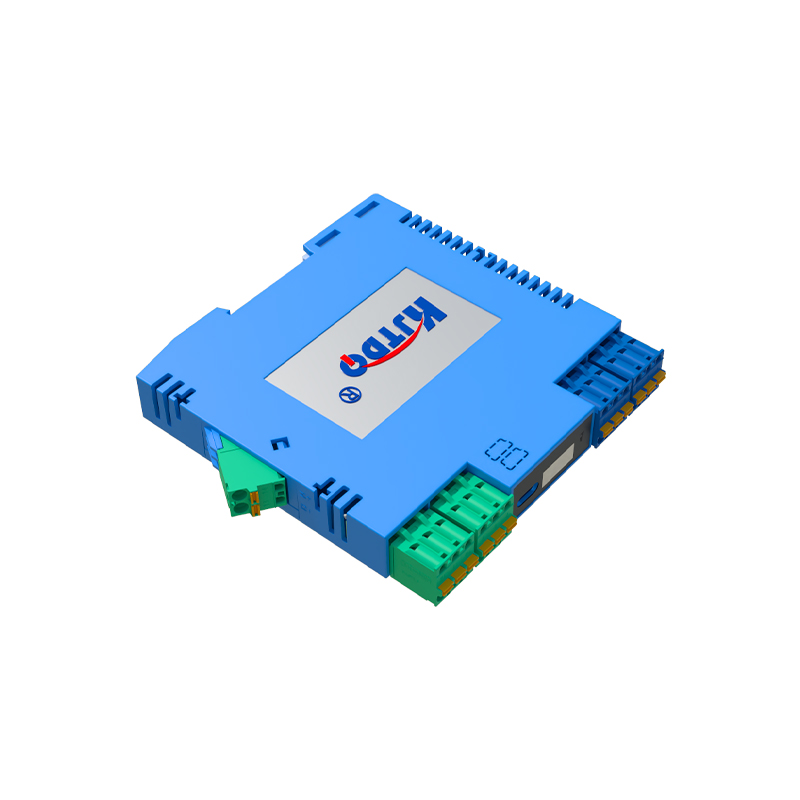
Inductive Flat Sensors: Used for detecting metallic objects (ferrous and non-ferrous). Their sensing face is flat, and the internal coil is wound to project a electromagnetic field from this low-profile housing. They are highly reliable for position detection of machine parts, end-of-travel limits, or counting metal components.
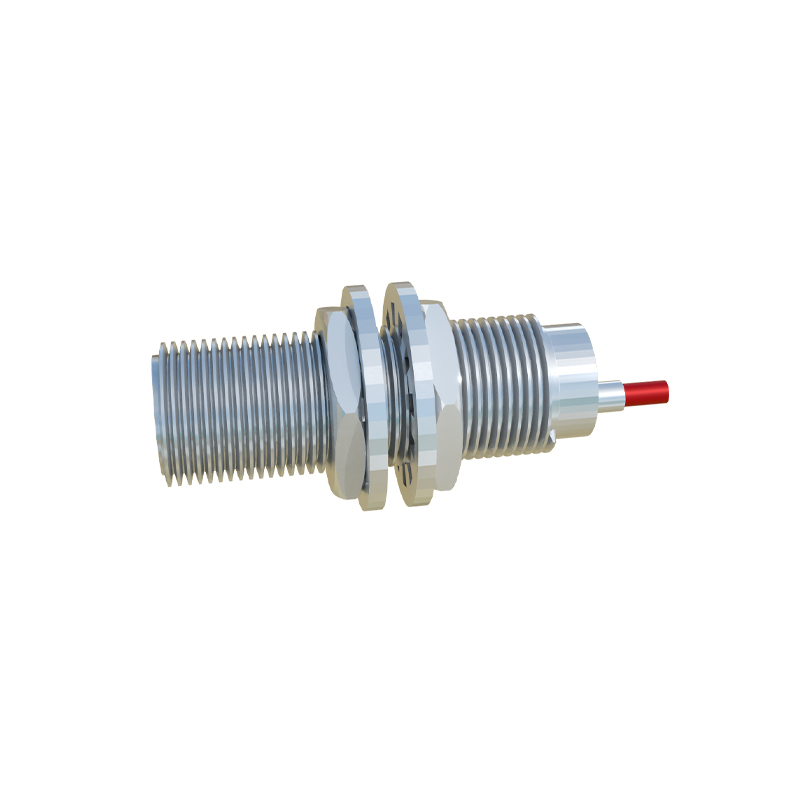
Capacitive Flat Sensors: Capable of detecting a wider range of materials, including metals, plastics, liquids, and granular substances through changes in capacitance. Their flat design is particularly useful in applications like level detection through thin container walls or material presence detection on conveyor belts.
Magnetic Flat Sensors (Reed or Hall Effect): Designed to detect permanent magnets. These are extremely thin and are often used in conjunction with a magnet attached to a moving part, such as in cylinder position sensing or door/window status monitoring in clean environments.
Key specifications for engineers to consider when selecting a flat proximity sensor extend beyond just the height. The sensing distance is typically shorter than a standard cylindrical sensor of equivalent diameter due to the compact coil design. Mounting style is crucial; many feature through-hole or slot mounting for secure flush installation. Output configuration (PNP/NPN, NO/NC) and connection type (pre-wired cable, quick-disconnect, or connector) must align with the control system. Environmental ratings like IP67 or IP69K for resistance to dust, water, and washdowns are vital for harsh industrial settings.
Application examples abound across industries. In automotive manufacturing, they verify the presence of metal brackets or panels in tight robotic welding cells. In packaging machinery, thin capacitive sensors check for the presence of plastic or foil lids on containers. In semiconductor fabrication, ultra-slim sensors monitor the position of wafer cassettes within cleanroom equipment. Their utility in mobile machinery and automated guided vehicles (AGVs) for low-clearance obstacle detection is also significant.
When integrating a flat proximity sensor, precise mechanical planning is essential. Engineers must ensure the target object enters the sensor's effective sensing field directly in front of the face. Side-mounted or recessed installations may require careful testing to confirm reliable operation. Electrical compatibility with the PLC or controller input module is a standard but critical check.
In summary, the family of sensors known as flat, low-profile, or thin proximity sensors provides an essential solution for space-constrained automation. Their names directly reflect their physical design advantage. Selecting the correct type—inductive, capacitive, or magnetic—depends on the target material and the specific application requirements. By offering reliable non-contact detection in minimalist packages, these sensors enable more compact, efficient, and sophisticated machine designs, proving that in automation, sometimes the most powerful solutions are the ones that take up the least space.