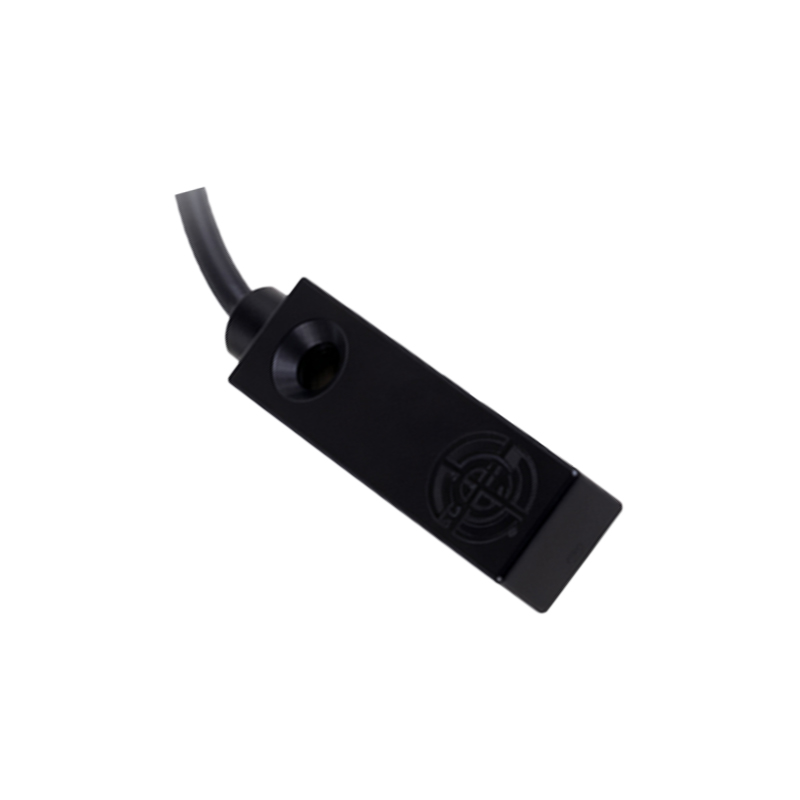
In the realm of industrial automation and control, proximity sensors are indispensable for non-contact object detection. While traditional inductive proximity sensors reliably detect metallic objects, a significant portion of modern manufacturing involves non-metallic materials such as plastics, glass, wood, liquids, and composite materials. This necessity has driven the development and widespread adoption of non-metal proximity sensors, primarily capacitive and ultrasonic types, which have become critical components in sophisticated sensing systems.
Capacitive proximity sensors operate on the principle of capacitance change. The sensor forms one plate of a capacitor, with the target object acting as the other plate, and the intervening space as the dielectric. When a non-metallic object enters the sensor's electrostatic field, it alters the dielectric constant, thereby changing the capacitance. An internal oscillator circuit detects this change and triggers the output switch. A key advantage is their ability to detect virtually any material, including solids, granules, powders, and liquids, provided the material's dielectric constant is sufficiently different from air. This makes them ideal for applications like level detection in plastic or glass containers, presence verification of cardboard packages, or monitoring the fill level of non-conductive fluids. Engineers must carefully consider factors like the target material's dielectric constant, sensor size, and installation environment, as moisture, dust, or temperature variations can influence performance. Shielding is often used to provide a more directed sensing field, reducing sensitivity to surrounding objects.
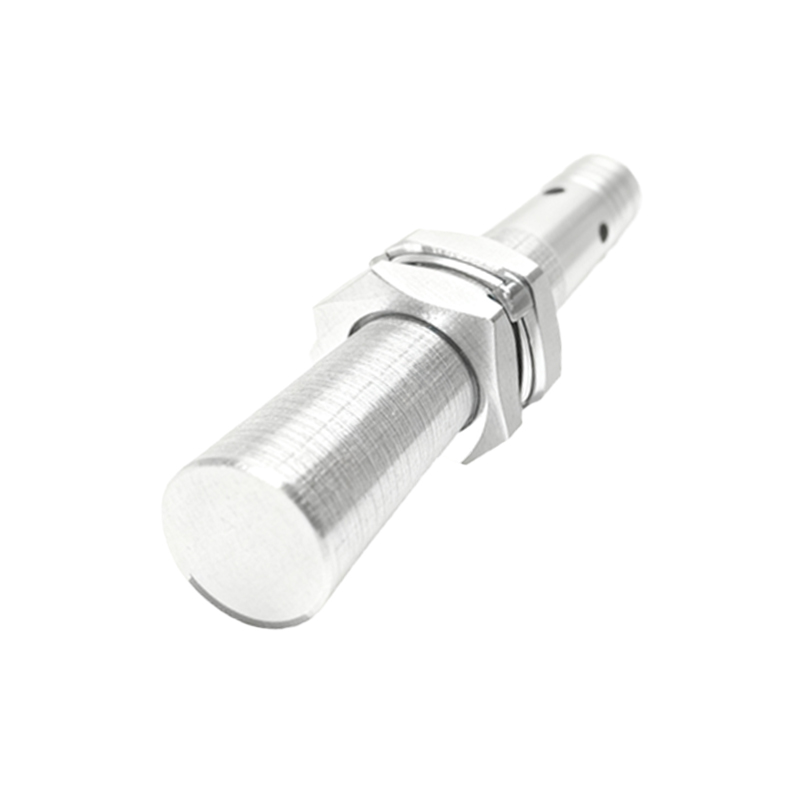
Ultrasonic proximity sensors represent another dominant technology for non-metal detection. They function by emitting high-frequency sound waves (typically beyond 20 kHz) and measuring the time for the echo to return from a target object. The time-of-flight principle is independent of the target's material composition, color, or transparency, relying instead on its acoustic reflectivity and surface texture. This makes ultrasonic sensors exceptionally versatile for detecting a vast array of non-metallic objects, from textured plastics to smooth glass sheets and even liquid surfaces. They excel in applications requiring precise distance measurement or detection over longer ranges compared to capacitive sensors. Common uses include web break detection in paper or textile processing, stack height monitoring for wooden pallets, and bottle counting on transparent conveyor belts. However, environmental factors such as air turbulence, temperature gradients affecting sound speed, and highly absorbent materials (like foam) can pose challenges that require careful sensor selection and setup.
The choice of sensor housing and internal component materials is also crucial for reliability in harsh industrial environments. Engineers specify sensors with housings made from robust plastics like PBT or PVDF, which offer resistance to chemicals, impacts, and UV radiation. The sensing face is typically a specialized ceramic or polymer compound designed to withstand abrasion from passing materials.
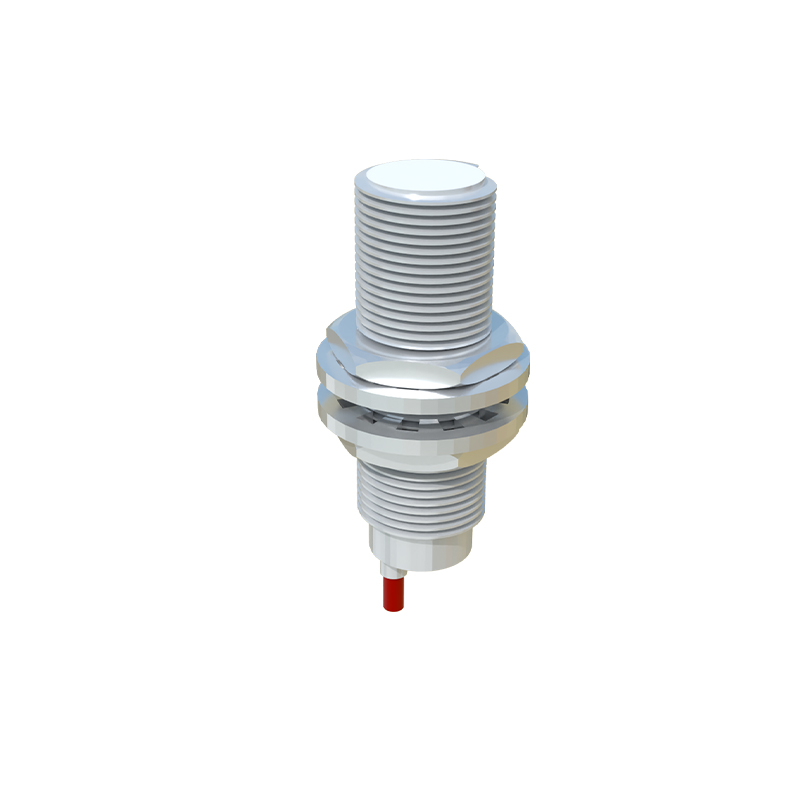
In practical application, integrating these sensors into a control system requires attention to detail. For capacitive sensors, sensitivity adjustment potentiometers allow tuning for specific materials, preventing false triggers. Ultrasonic sensors often feature programmable teaching modes to set precise switching points. Networking capabilities via IO-Link are increasingly standard, enabling parameterization, diagnostics, and process data exchange directly from the PLC, which enhances predictive maintenance and reduces downtime.
From packaging and bottling lines to woodworking, semiconductor fabrication, and pharmaceutical production, non-metal proximity sensors enable higher degrees of automation, quality control, and process efficiency. They allow for the gentle handling of delicate materials and ensure precise operations where metal sensors would be ineffective. As Industry 4.0 evolves, these sensors are becoming smarter, smaller, and more integrated, forming the sensory foundation for agile and flexible manufacturing systems that handle diverse, often non-metallic, products. Their continued development focuses on improving noise immunity, increasing sensing ranges, and enhancing robustness for the most demanding industrial environments.