In the realm of industrial automation and control systems, the reliability of sensor technology is paramount. Among the various sensor types, proximity sensors play a critical role in non-contact detection, object positioning, and automated process control. However, a persistent challenge in many industrial environments is optical interference—ambient light, reflections from shiny surfaces, or light from other machinery can severely compromise sensor performance, leading to false triggers, missed detections, and system downtime. This is where the customization of anti-glare proximity sensors becomes not just an option, but a necessity for robust and efficient operations.
Standard off-the-shelf proximity sensors often come with a fixed set of parameters regarding sensing range, light source wavelength, and signal processing algorithms. While suitable for general applications, they may falter in environments with high-intensity or fluctuating light conditions, such as welding stations, outdoor automated guided vehicles (AGVs), solar panel manufacturing lines, or facilities with intense overhead lighting. Customizing these sensors involves a systematic engineering approach to tailor their core components and functionalities to withstand specific optical noise profiles.
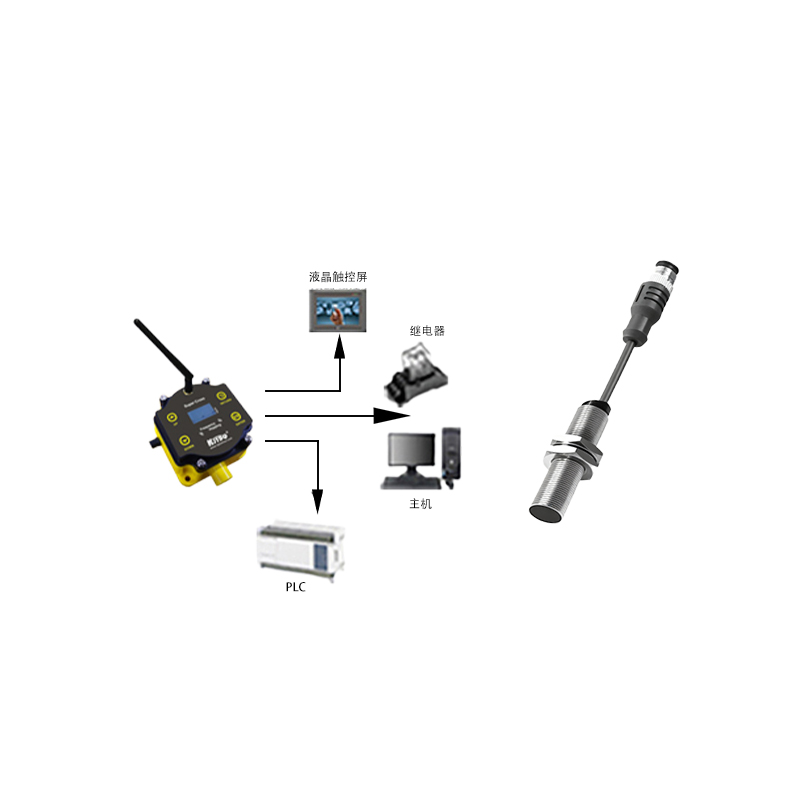
The foundation of an effective anti-glare solution lies in the optical design. Customization often starts with the selection of the light source and receiver. While many standard sensors use standard infrared (IR) LEDs, customized versions might employ specific wavelengths (e.g., 850nm, 940nm) that are less susceptible to the ambient light spectrum of a particular facility. For instance, in environments dominated by sunlight (which has a broad spectrum), a sensor tuned to a narrow-band IR wavelength coupled with a corresponding optical filter on the receiver can dramatically improve signal-to-noise ratio. The physical housing and lens design are also customized to shape the light beam, minimizing unwanted reflections from non-target surfaces and focusing energy precisely on the detection zone.
The electronic circuitry and signal processing firmware represent the "brain" of a customized anti-glare sensor. Engineers can implement advanced algorithms for modulation and demodulation of the emitted light signal. By emitting a modulated light pulse and then synchronously detecting only that specific modulated frequency at the receiver, the sensor can effectively ignore constant or non-synchronized ambient light. The customization process allows for fine-tuning the modulation frequency to avoid interference from other equipment, such as fluorescent lights which often flicker at mains frequency. Furthermore, adaptive threshold settings can be programmed. Instead of a fixed trigger level, the sensor's microcontroller can dynamically adjust its sensitivity based on the baseline ambient light, ensuring consistent performance from dawn to dusk or under varying artificial lighting.
Environmental sealing and mechanical design are equally crucial aspects of customization. A sensor designed for an outdoor AGV must not only resist sunlight glare but also be encapsulated in a housing with an appropriate Ingress Protection (IP) rating against dust and water. The mounting configuration, cable outlet orientation, and connector type are all tailored to the client's machinery to ensure easy integration and long-term durability. Material selection for the lens is also critical; polycarbonate or glass with anti-reflective coatings can prevent internal reflections and chemical degradation.
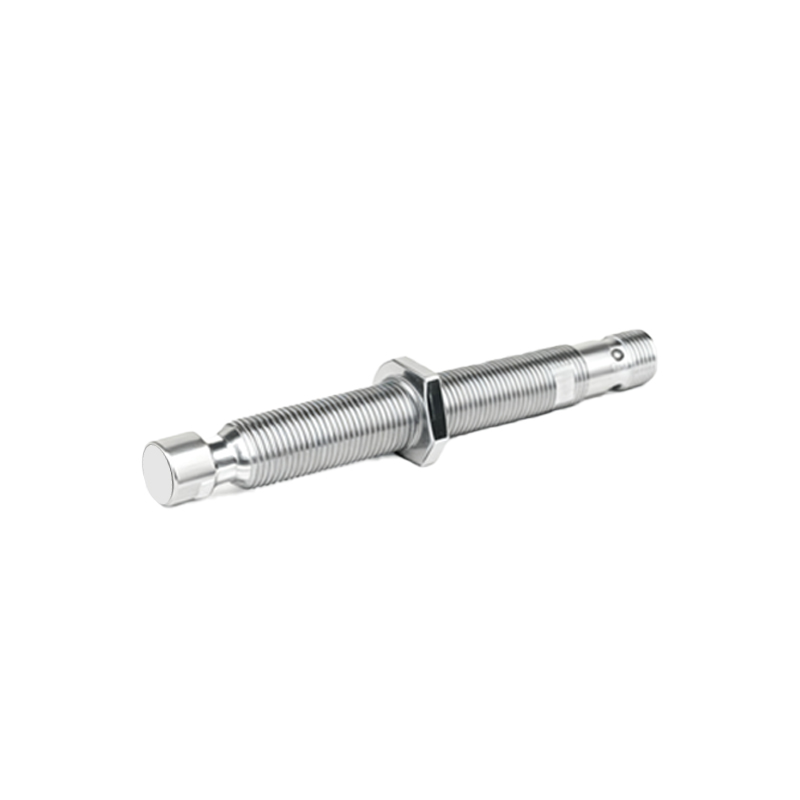
The process of customizing an anti-glare proximity sensor is inherently collaborative. It begins with a detailed site survey and application analysis by engineering teams. Key parameters to define include: the type and intensity of ambient light sources, the characteristics of the target objects (color, material, size), the required sensing distance and accuracy, environmental conditions (temperature, humidity, contaminants), and the required output signal format. Prototypes are then developed and subjected to rigorous testing in simulated and real-world conditions. This iterative process ensures the final product delivers reliable detection, minimizing false positives and maximizing operational uptime.
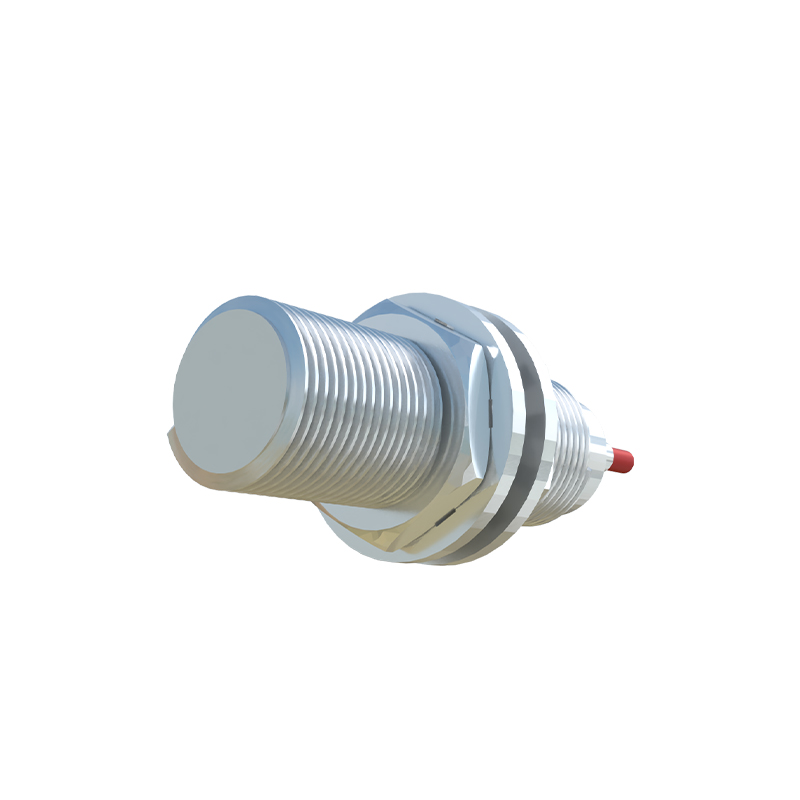
Ultimately, investing in customized anti-glare proximity sensors translates to significant long-term benefits for industrial operators. It enhances system reliability, reduces maintenance costs associated with sensor failures, improves product quality through consistent process control, and increases overall plant safety. By working with sensor manufacturers who possess deep application engineering expertise, companies can move beyond the limitations of standard components and develop sensing solutions that are truly optimized for their unique operational challenges, ensuring seamless automation even in the most optically demanding environments.