In today's rapidly evolving industrial automation landscape, proximity sensors have become indispensable components for enabling precise, non-contact detection in manufacturing, robotics, and smart systems. As industries increasingly adopt Industry 4.0 principles, the demand for skilled proximity sensor engineers has surged, creating exciting career opportunities for professionals with the right expertise. This article explores the essential qualifications, responsibilities, and industry trends shaping recruitment in this specialized field.
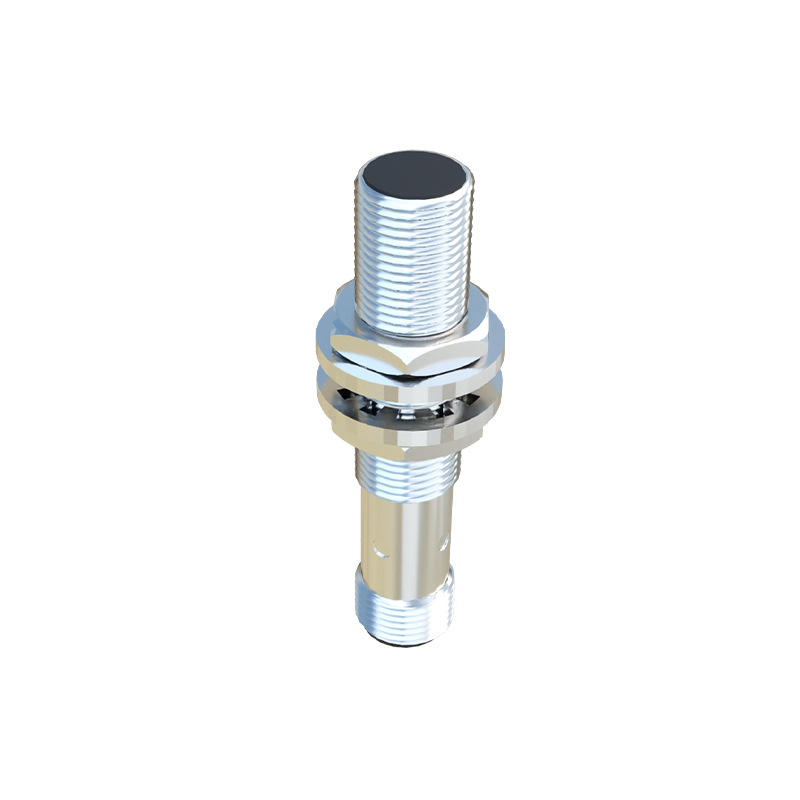
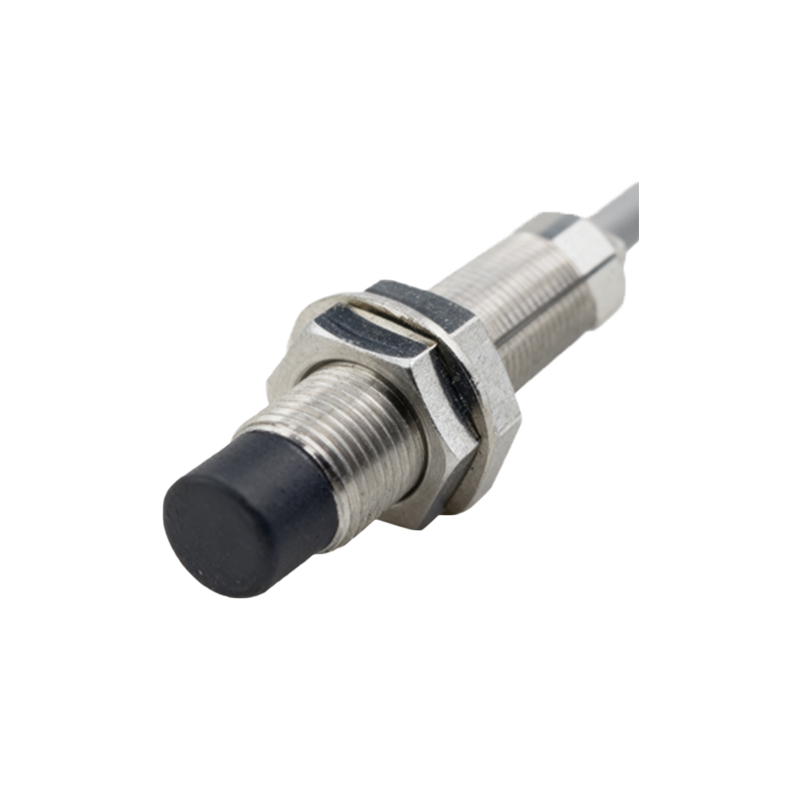
A proximity sensor engineer typically designs, develops, and integrates sensor solutions that detect the presence or absence of objects without physical contact. These sensors—including inductive, capacitive, ultrasonic, and photoelectric types—are critical for applications ranging from assembly line automation to safety systems and IoT devices. Engineers in this role must possess a strong foundation in electrical engineering, with proficiency in circuit design, signal processing, and embedded systems. Knowledge of materials science is also valuable, as sensor performance often depends on environmental factors like temperature, humidity, and electromagnetic interference.
Recruiters seek candidates with hands-on experience in prototyping, testing, and validating sensor performance under real-world conditions. Familiarity with industry standards—such as IEC 60947-5-2 for inductive proximity devices—is essential to ensure compliance and reliability. Additionally, soft skills like problem-solving, teamwork, and communication are crucial, as engineers frequently collaborate with cross-functional teams including mechanical designers, software developers, and quality assurance specialists.
The rise of smart factories and autonomous systems has further diversified the role. Modern proximity sensor engineers may engage in developing AI-enhanced sensors for predictive maintenance or integrating sensors with cloud platforms for data analytics. Expertise in programming languages like C++ or Python, along with experience in IoT protocols (e.g., MQTT, OPC UA), is increasingly desirable. Companies also value professionals who stay updated on emerging technologies, such as miniaturized sensors for wearable devices or high-precision models for medical equipment.
From a recruitment perspective, industries like automotive, aerospace, consumer electronics, and logistics are actively hiring. Employers often highlight competitive salaries, opportunities for innovation, and career growth in global teams. To attract top talent, many organizations offer continuous learning programs, certifications, and involvement in cutting-edge projects.
For aspiring engineers, building a portfolio with practical projects—such as designing a custom proximity sensor for a specific application—can significantly enhance job prospects. Networking through professional associations like IEEE or attending industry conferences also provides visibility to recruiters. Ultimately, success in this field hinges on a blend of technical mastery, adaptability, and a passion for driving technological advancement.
As automation continues to transform industries, the role of proximity sensor engineers will only grow in importance. By cultivating the right skills and staying aligned with market trends, professionals can thrive in this dynamic and rewarding career path.